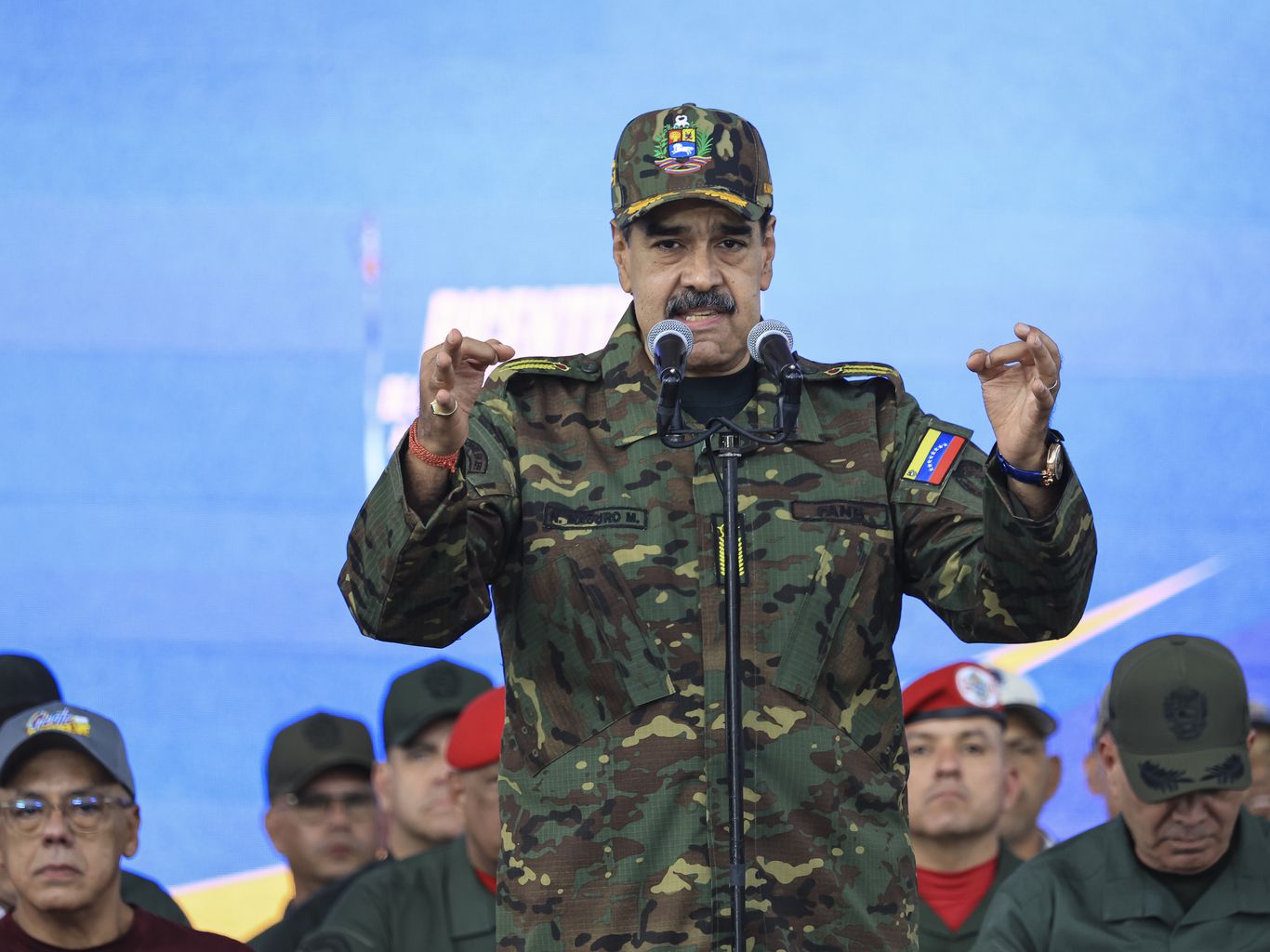
The Trump administration has taken a significant step in its efforts to isolate the Venezuelan government, imposing sanctions on two nephews of President Nicolas Maduro and blocking the shipment of six oil tankers carrying Venezuelan crude to the United States. The sanctions are part of a broader campaign to curb the country's oil exports and weaken the Maduro regime, which the US and other countries have deemed illegitimate.
Background of the Sanctions
The sanctions were imposed on Juan Isael and Walter Alexander Colina, two nephews of President Maduro, for their alleged involvement in narcotics trafficking and other illicit activities. The move is seen as a significant escalation of the US's efforts to pressure the Venezuelan government to hold free and fair elections and respect human rights. The US has also accused the Maduro regime of perpetuating corruption and mismanaging the country's economy.
The sanctions come as the US and other countries continue to exert pressure on the Venezuelan government to hold elections and restore democracy to the country. The US has imposed several rounds of sanctions on Venezuelan officials and entities in recent months, including oil company PDVSA, which is a major source of revenue for the government.
Impact of the Sanctions on Venezuela's Economy
The sanctions are expected to have a significant impact on Venezuela's economy, which is already facing severe shortages of food, medicine, and other essential goods. The country's oil exports are its main source of revenue, and the blockade is likely to exacerbate the economic crisis. The move is also seen as a blow to the Maduro regime, which has long relied on oil exports to prop up its economy.
The sanctions are also likely to have a significant impact on the Venezuelan people, who are already struggling to access basic necessities. The US has said that it will continue to provide humanitarian aid to the country, but the sanctions are likely to make it more difficult for aid to reach the most vulnerable populations.
International Reaction to the Sanctions
The sanctions have been welcomed by several countries, including the US, Canada, and several Latin American nations. The move is seen as a significant step in the efforts to pressure the Maduro regime to hold free and fair elections and respect human rights. However, several countries, including Russia and China, have expressed opposition to the sanctions, arguing that they will exacerbate the economic crisis and harm the Venezuelan people.
The EU has also expressed concerns about the sanctions, warning that they could have unintended consequences and undermine efforts to find a peaceful solution to the crisis. The move is seen as a significant escalation of the conflict between the US and the Maduro regime, and it remains to be seen how the situation will unfold.
The Trump administration's move is seen as a significant step in its efforts to pressure the Maduro regime to hold free and fair elections and respect human rights. The sanctions are likely to have a significant impact on the Venezuelan economy and the people, and it remains to be seen how the situation will unfold.
The international community is holding its breath as the situation in Venezuela continues to deteriorate. The US and other countries are likely to continue to exert pressure on the Maduro regime, and the sanctions are likely to be a major factor in the crisis for the foreseeable future.
As the situation in Venezuela continues to unfold, it is clear that the sanctions are a significant step in the efforts to pressure the Maduro regime to hold free and fair elections and respect human rights. The US and other countries will continue to exert pressure on the regime, and the sanctions are likely to be a major factor in the crisis for the foreseeable future.
The future of Venezuela remains uncertain, and it is unclear what the outcome will be. However, one thing is clear: the sanctions are a significant step in the efforts to pressure the Maduro regime to hold free and fair elections and respect human rights.
The situation in Venezuela is a complex and multifaceted one, and it is likely to continue to evolve in the coming months and years. The sanctions are just one aspect of the crisis, and it remains to be seen how the situation will unfold.
The world is watching as the situation in Venezuela continues to deteriorate. The US and other countries are likely to continue to exert pressure on the Maduro regime, and the sanctions are likely to be a major factor in the crisis for the foreseeable future.
The future of Venezuela is uncertain, and it remains to be seen what the outcome will be. However, one thing is clear: the sanctions are a significant step in the efforts to pressure the Maduro regime to hold free and fair elections and respect human rights.
The situation in Venezuela is a complex and multifaceted one, and it is likely to continue to evolve in the coming months and years. The sanctions are just one aspect of the crisis, and it remains to be seen how the situation will unfold.
The US and other countries will continue to exert pressure on the Maduro regime, and the sanctions are likely to be a major factor in the crisis for the foreseeable future.
The situation in Venezuela is a complex and multifaceted one, and it is likely to continue to evolve in the coming months and years.
The sanctions are a significant step in the efforts to pressure the Maduro regime to hold free and fair elections and respect human rights.
The future of Venezuela remains uncertain, and it is unclear what the outcome will be.
The world is watching as the situation in Venezuela continues to deteriorate.