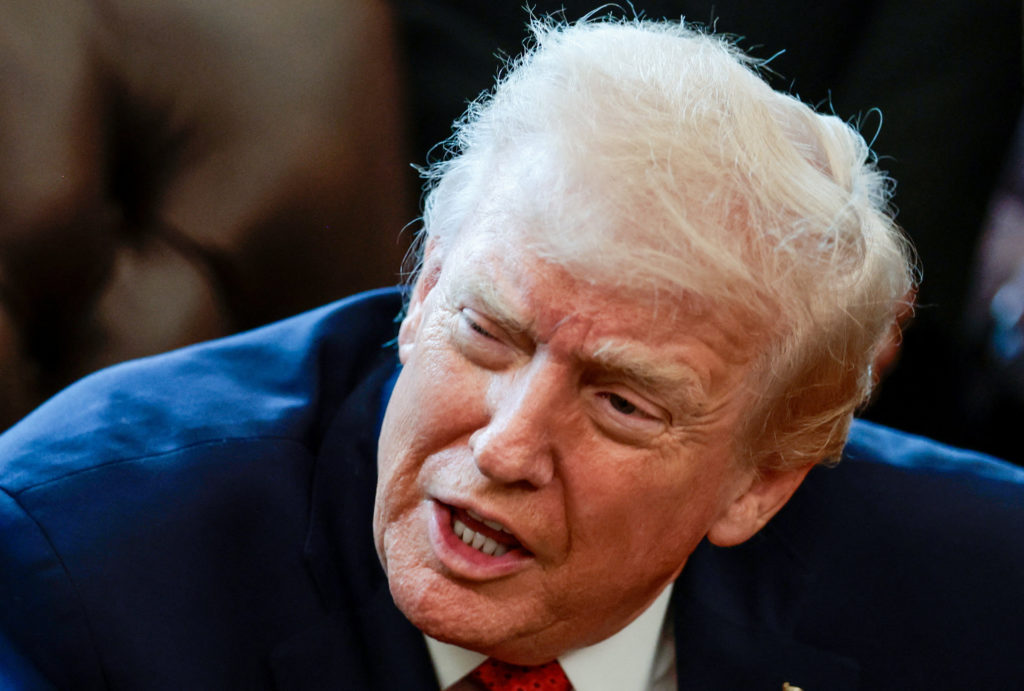
Former US President Donald Trump has taken to social media to lash out at five Republican senators who voted to reverse a war powers resolution limiting US military involvement in Yemen. The resolution, which passed 68-23 in the Senate, would prevent the US from providing military support to Saudi Arabia and the United Arab Emirates in their conflict against Houthi rebels in Yemen.
Background on the War Powers Resolution
The war powers resolution was introduced by Senator Bernie Sanders (D-VT) and gained support from a bipartisan group of lawmakers. The resolution aimed to end US involvement in the Saudi-led coalition's military efforts in Yemen, which has been marred by humanitarian crises, civilian casualties, and allegations of war crimes.
The resolution's passage marked a significant shift in the US's stance on the conflict, with many lawmakers expressing concerns over the devastating humanitarian impact and the role of the US in supporting Saudi Arabia and the UAE.
Trump's Reaction to the Vote
Trump's statement, released on social media, criticized the five Republican senators who voted to reverse the war powers resolution. The senators, including Susan Collins (R-ME), Lisa Murkowski (R-AK), Mitt Romney (R-UT), Rand Paul (R-KY), and Mike Lee (R-UT), were singled out for their decision to break party lines and support the resolution.
Trump's statement read, "The five Republican Senators who voted to reverse the War Powers Resolution in Yemen are weak and lack the courage to stand up for America and our great military. This vote was a disaster for America and a major blow to our national security."
Impact of Trump's Statement
The backlash from Trump's statement has put the five Republican senators in a difficult position, with many facing criticism from their constituents and party leaders. The move has also reignited tensions within the Republican Party, with some lawmakers calling for a more cohesive approach to foreign policy.
The resolution's passage and Trump's reaction highlight the ongoing debate over US foreign policy and the role of Congress in limiting the president's wartime authority.
The situation remains fluid, with many lawmakers and analysts watching to see how the situation unfolds and whether the reversal of the war powers resolution will have any lasting impact on US foreign policy.
As the debate continues, one thing is clear: the US's stance on the conflict in Yemen remains a contentious issue that will require careful consideration and diplomacy to resolve.
The outcome of this situation will have significant implications for the US's relationship with Saudi Arabia and the UAE, as well as its role in the broader Middle East.
Only time will tell how this situation will play out, but one thing is certain: the US's foreign policy will continue to be shaped by the complex and ever-evolving nature of international relations.
The Trump administration's stance on the conflict in Yemen has been marked by controversy and debate, with many lawmakers expressing concerns over the humanitarian impact and the role of the US in supporting Saudi Arabia and the UAE.
The passage of the war powers resolution was a significant victory for those pushing for change, but the reversal of that resolution has left many feeling frustrated and uncertain about the future.
As the situation continues to unfold, it remains to be seen how the US will proceed in Yemen and what the long-term implications will be for the country and the region.