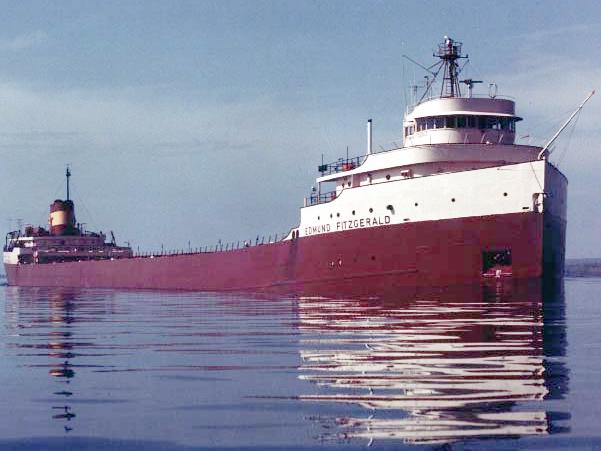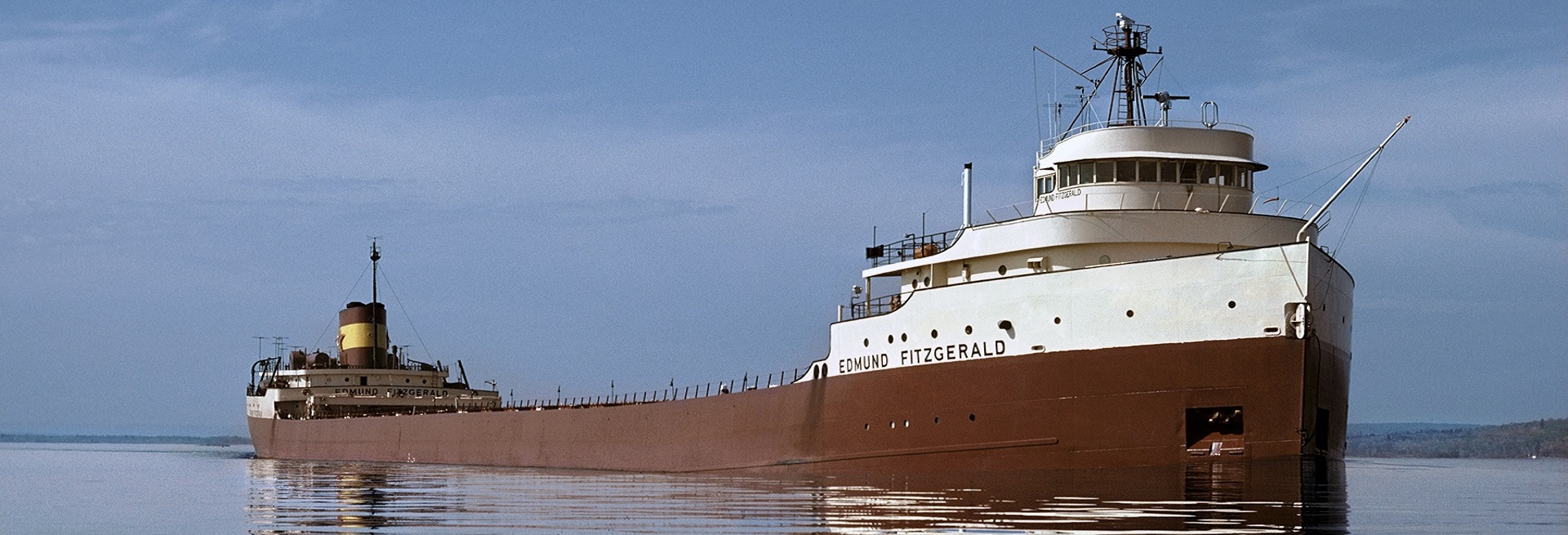
The SS Edmund Fitzgerald was a Great Lakes freighter that was built in 1958 by the Great Lakes Engineering Works in River Rouge, Michigan. The ship was 729 feet long and was named after a former vice president of the company, William Edmund Fitzgerald. It was one of the largest ships on the Great Lakes at the time, capable of carrying massive cargo loads of iron ore.
The Fateful Voyage
On November 9, 1975, the Edmund Fitzgerald was on its final voyage of the season, carrying a cargo of iron ore from Superior, Wisconsin to Detroit, Michigan. The ship was traveling in a storm with high winds and heavy snow when contact was lost with the vessel around 7:10 PM. A distress call was never sent, and the ship's crew was not heard from again.
The crew of the Arthur M. Anderson, another freighter in the area, reported seeing the Edmund Fitzgerald in the distance with its lights on, but the ship's lights were soon extinguished. The crew of the Anderson attempted to contact the Fitzgerald, but there was no response.
The Investigation and Aftermath
The Tragic Tale of the Edmund Fitzgerald
Summary: The sinking of the Edmund Fitzgerald, a Great Lakes freighter, remains one of the most enduring maritime mysteries in US history, claiming the lives of all 29 crew members on board.
The SS Edmund Fitzgerald was a Great Lakes freighter that was built in 1958 by the Great Lakes Engineering Works in River Rouge, Michigan. The ship was 729 feet long and was named after a former vice president of the company, William Edmund Fitzgerald. It was one of the largest ships on the Great Lakes at the time, capable of carrying massive cargo loads of iron ore.
The Fateful Voyage
On November 9, 1975, the Edmund Fitzgerald was on its final voyage of the season, carrying a cargo of iron ore from Superior, Wisconsin to Detroit, Michigan. The ship was traveling in a storm with high winds and heavy snow when contact was lost with the vessel around 7:10 PM. A distress call was never sent, and the ship's crew was not heard from again.
The crew of the Arthur M. Anderson, another freighter in the area, reported seeing the Edmund Fitzgerald in the distance with its lights on, but the ship's lights were soon extinguished. The crew of the Anderson attempted to contact the Fitzgerald, but there was no response.
The Investigation and Aftermath
The Coast Guard and the National Transportation Safety Board (NTSB) launched an investigation into the sinking of the Edmund Fitzgerald. The investigation revealed that the ship had been taking on water in one of its cargo holds, but the exact cause of the flooding was never determined.
The NTSB concluded that the sinking of the Edmund Fitzgerald was likely caused by a combination of factors, including the ship's design and the heavy cargo it was carrying. However, the exact circumstances of the sinking remain a mystery.
The sinking of the Edmund Fitzgerald was a major maritime disaster that shocked the nation. The loss of the 29 crew members was a tragedy that was felt deeply by their families and the shipping industry as a whole.
The Edmund Fitzgerald was one of the largest ships to ever sink on the Great Lakes, and its loss had a significant impact on the shipping industry. The tragedy led to changes in safety regulations and procedures for ships traveling on the Great Lakes.
Legacy of the Edmund Fitzgerald
The Edmund Fitzgerald has become a legendary figure in American maritime history, and its story continues to fascinate people to this day. The ship's sinking has been the subject of numerous books, films, and songs, including Gordon Lightfoot's famous ballad "The Wreck of the Edmund Fitzgerald."
The Edmund Fitzgerald's legacy extends beyond its tragic story, however. The ship's sinking led to significant improvements in maritime safety and navigation, and its memory serves as a reminder of the importance of safety at sea.
In 2007, the National Transportation Safety Board (NTSB) released a report on the sinking of the Edmund Fitzgerald, which concluded that the ship's sinking was likely caused by a combination of factors, including the ship's design and the heavy cargo it was carrying.
The Edmund Fitzgerald's wreckage lies on the floor of Lake Superior, about 17 miles northwest of Whitefish Point, Michigan. The wreckage has become a popular destination for divers and maritime enthusiasts, who come to pay their respects to the crew of the ill-fated ship.
The sinking of the Edmund Fitzgerald remains one of the most enduring maritime mysteries in US history, and its legacy continues to captivate people to this day.
The story of the Edmund Fitzgerald serves as a reminder of the importance of safety at sea and the risks that come with traveling on the Great Lakes.
The SS Edmund Fitzgerald was a Great Lakes freighter that was built in 1958 by the Great Lakes Engineering Works in River Rouge, Michigan. The ship was 729 feet long and was named after a former vice president of the company, William Edmund Fitzgerald. It was one of the largest ships on the Great Lakes at the time, capable of carrying massive cargo loads of iron ore.
The Fateful Voyage
On November 9, 1975, the Edmund Fitzgerald was on its final voyage of the season, carrying a cargo of iron ore from Superior, Wisconsin to Detroit, Michigan. The ship was traveling in a storm with high winds and heavy snow when contact was lost with the vessel around 7:10 PM. A distress call was never sent, and the ship's crew was not heard from again.
The crew of the Arthur M. Anderson, another freighter in the area, reported seeing the Edmund Fitzgerald in the distance with its lights on, but the ship's lights were soon extinguished. The crew of the Anderson attempted to contact the Fitzgerald, but there was no response.
The Investigation and Aftermath
The Coast Guard and the National Transportation Safety Board (NTSB) launched an investigation into the sinking of the Edmund Fitzgerald. The investigation revealed that the ship had been taking on water in one of its cargo holds, but the exact cause of the flooding was never determined.
The NTSB concluded that the sinking of the Edmund Fitzgerald was likely caused by a combination of factors, including the ship's design and the heavy cargo it was carrying. However, the exact circumstances of the sinking remain a mystery.
The sinking of the Edmund Fitzgerald was a major maritime disaster that shocked the nation. The loss of the 29 crew members was a tragedy that was felt deeply by their families and the shipping industry as a whole.
The Edmund Fitzgerald was one of the largest ships to ever sink on the Great Lakes, and its loss had a significant impact on the shipping industry. The tragedy led to changes in safety regulations and procedures for ships traveling on the Great Lakes.
Legacy of the Edmund Fitzgerald
The Edmund Fitzgerald has become a legendary figure in American maritime history, and its story continues to fascinate people to this day. The ship's sinking has been the subject of numerous books, films, and songs, including Gordon Lightfoot's famous ballad "The Wreck of the Edmund Fitzgerald."
The Edmund Fitzgerald's legacy extends beyond its tragic story, however. The ship's sinking led to significant improvements in maritime safety and navigation, and its memory serves as a reminder of the importance of safety at sea.
In 2007, the National Transportation Safety Board (NTSB) released a report on the sinking of the Edmund Fitzgerald, which concluded that the ship's sinking was likely caused by a combination of factors, including the ship's design and the heavy cargo it was carrying.
The Edmund Fitzgerald's wreckage lies on the floor of Lake Superior, about 17 miles northwest of Whitefish Point, Michigan. The wreckage has become a popular destination for divers and maritime enthusiasts, who come to pay their respects to the crew of the ill-fated ship.
The sinking of the Edmund Fitzgerald remains one of the most enduring maritime mysteries in US history, and its legacy continues to captivate people to this day.
The story of the Edmund Fitzgerald serves as a reminder of the importance of safety at sea and the risks that come with traveling on the Great Lakes.