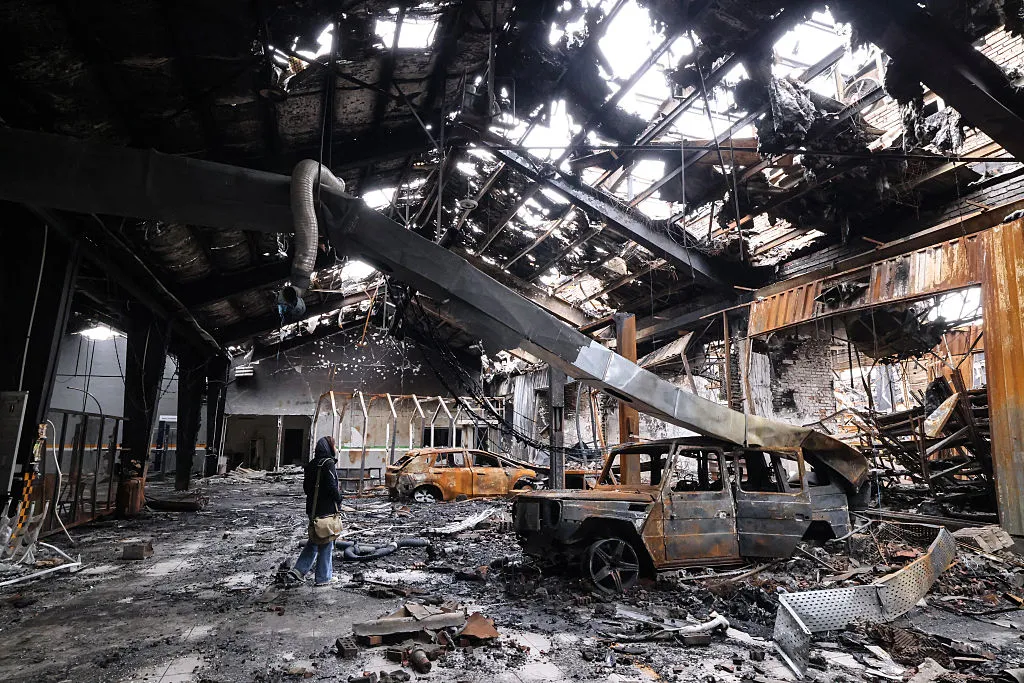
The conflict in the Middle East has taken a dramatic turn with the Houthi rebels announcing their formal alignment with Iran. This move has led to a significant escalation of the ongoing war in Yemen, drawing in US troops and prompting a major military response.
US Troops Deployed to Region
According to reports, a contingent of US troops has been deployed to the region, with the primary objective of providing logistical support to Saudi-led coalition forces. The move is seen as a direct response to the Houthi's decision to join forces with Iran.
The deployment of US troops has been met with a mixed reaction from regional leaders. While some have expressed support for the move, citing concerns over Iranian aggression, others have expressed reservations about the potential for further escalation.
Houthi Rebels' Shift in Strategy
The Houthi's decision to join the Iran war effort marks a significant shift in their strategy. The rebels have long been fighting a separatist campaign against the Yemeni government, but their alignment with Iran suggests a broader regional agenda.
Analysts believe that the Houthi's move is an attempt to leverage the support of a major regional power in their struggle against the Yemeni government. However, the implications of this move are far-reaching, and could have significant consequences for the balance of power in the region.
The Houthi's decision to align with Iran also raises questions about their relationship with other regional actors. Will they continue to maintain ties with their long-time allies in the region, or will their new alignment with Iran lead to a significant reconfiguration of their relationships?
International Community Weighs In
The international community is closely monitoring the developments in the Middle East, with a range of countries weighing in on the situation. The United Nations has issued a statement calling for restraint and caution, while the European Union has urged all parties to engage in diplomatic efforts to resolve the conflict peacefully.
The US has also expressed its support for the Saudi-led coalition, and has pledged to provide logistical and military support to their efforts. However, the move has been met with criticism from some quarters, with concerns raised about the potential for further escalation and the impact on regional stability.
As the situation continues to unfold, it remains to be seen how the international community will respond. Will they be able to broker a peaceful resolution to the conflict, or will the ongoing strikes and military presence lead to further instability in the region?
The situation in the Middle East remains complex and volatile, with a range of different actors and interests at play. As the conflict continues to escalate, it will be essential for the international community to remain vigilant and work towards a peaceful resolution.
One thing is clear, however: the Houthi's decision to join the Iran war effort has marked a significant turning point in the conflict. The implications of this move will be far-reaching, and will have significant consequences for the balance of power in the region.
As the situation continues to unfold, it remains to be seen how the different parties will respond. Will they be able to find a way to resolve their differences peacefully, or will the ongoing strikes and military presence lead to further instability in the region?
The international community will be watching the situation closely, and will be working to ensure that the conflict is resolved in a way that promotes regional stability and security.
Despite the challenges ahead, there are signs of hope. Diplomatic efforts are underway, and a range of different actors are working towards a peaceful resolution to the conflict.
The situation in the Middle East remains complex and volatile, but there are reasons to be optimistic. With continued diplomatic efforts and a commitment to regional stability, it may be possible to find a way to resolve the conflict peacefully.
The international community will need to remain vigilant and work together to ensure that the conflict is resolved in a way that promotes regional stability and security.
Ultimately, the fate of the Middle East will depend on the actions of the different parties involved. Will they be able to find a way to resolve their differences peacefully, or will the ongoing strikes and military presence lead to further instability in the region?
The situation in the Middle East is a complex and evolving one, with a range of different actors and interests at play. As the conflict continues to unfold, it will be essential for the international community to remain vigilant and work towards a peaceful resolution.
Despite the challenges ahead, there are signs of hope. Diplomatic efforts are underway, and a range of different actors are working towards a peaceful resolution to the conflict.
The international community will need to remain committed to regional stability and security in order to find a way to resolve the conflict peacefully.
The situation in the Middle East remains a major concern for the international community, with a range of different actors and interests at play. As the conflict continues to unfold, it will be essential for the different parties to remain committed to finding a peaceful resolution.
With continued diplomatic efforts and a commitment to regional stability, it may be possible to find a way to resolve the conflict peacefully.
The international community will need to remain vigilant and work together to ensure that the conflict is resolved in a way that promotes regional stability and security.