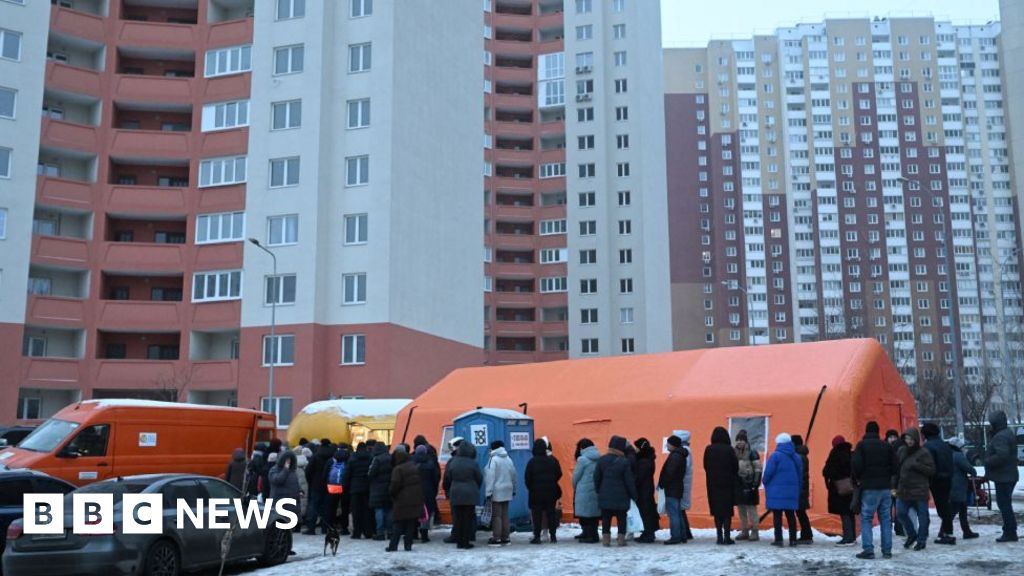
Researchers from the BBC have conducted an in-depth analysis of Soviet urban planning methods and their connection to the ongoing conflict in Ukraine. Their findings suggest that Russia's military strategy heavily relies on the urban planning principles developed during the Soviet era, which emphasize the importance of defensive positions in residential areas. This approach has inadvertently aided Russia's efforts in Ukraine, where urban warfare has become a significant aspect of the conflict.
Soviet Urban Planning Principles
The Soviet Union's urban planning approach was centered around the concept of "defensive urbanism," which prioritized the creation of strong defensive positions within residential areas. This approach was designed to protect civilians and military personnel from external threats. However, when applied to the modern context of urban warfare, these principles can be used to create makeshift fortifications and defensive barriers, which can aid a military's efforts.
The investigators highlighted several key features of Soviet urban planning that have been adopted by Russia, including the use of multi-story residential buildings as defensive positions and the incorporation of underground infrastructure to create hidden passageways and tunnels.
Impact on the Conflict in Ukraine
The BBC investigation revealed how Russia's military has leveraged the Soviet urban planning principles in Ukraine, using residential areas as defensive strongholds and incorporating underground infrastructure to facilitate troop movements and supply chain logistics. This approach has allowed Russia to adapt to the urban terrain and maintain a strong military presence in the region.
The findings of the investigation have significant implications for urban warfare and the role of urban planning in modern conflict. They highlight the importance of considering the long-term consequences of urban development and the potential for urban planning principles to be exploited for military gain.
Relevance to Modern Warfare
The Soviet urban planning approach has become increasingly relevant in the context of modern warfare, where urban areas have become a primary battleground. The investigation's findings underscore the need for urban planners and military strategists to consider the potential consequences of their decisions on the urban landscape and the impact on conflict dynamics.
The BBC investigation serves as a critical reminder of the strategic importance of urban planning in modern conflict and highlights the need for a more nuanced understanding of the relationship between urban design and military strategy.
The findings of the investigation have sparked a renewed debate on the role of urban planning in modern warfare and the need for more research into the intersection of urban design and military strategy. As the conflict in Ukraine continues, the relevance of Soviet urban planning principles to modern warfare will likely continue to be a topic of discussion among military strategists and urban planners.