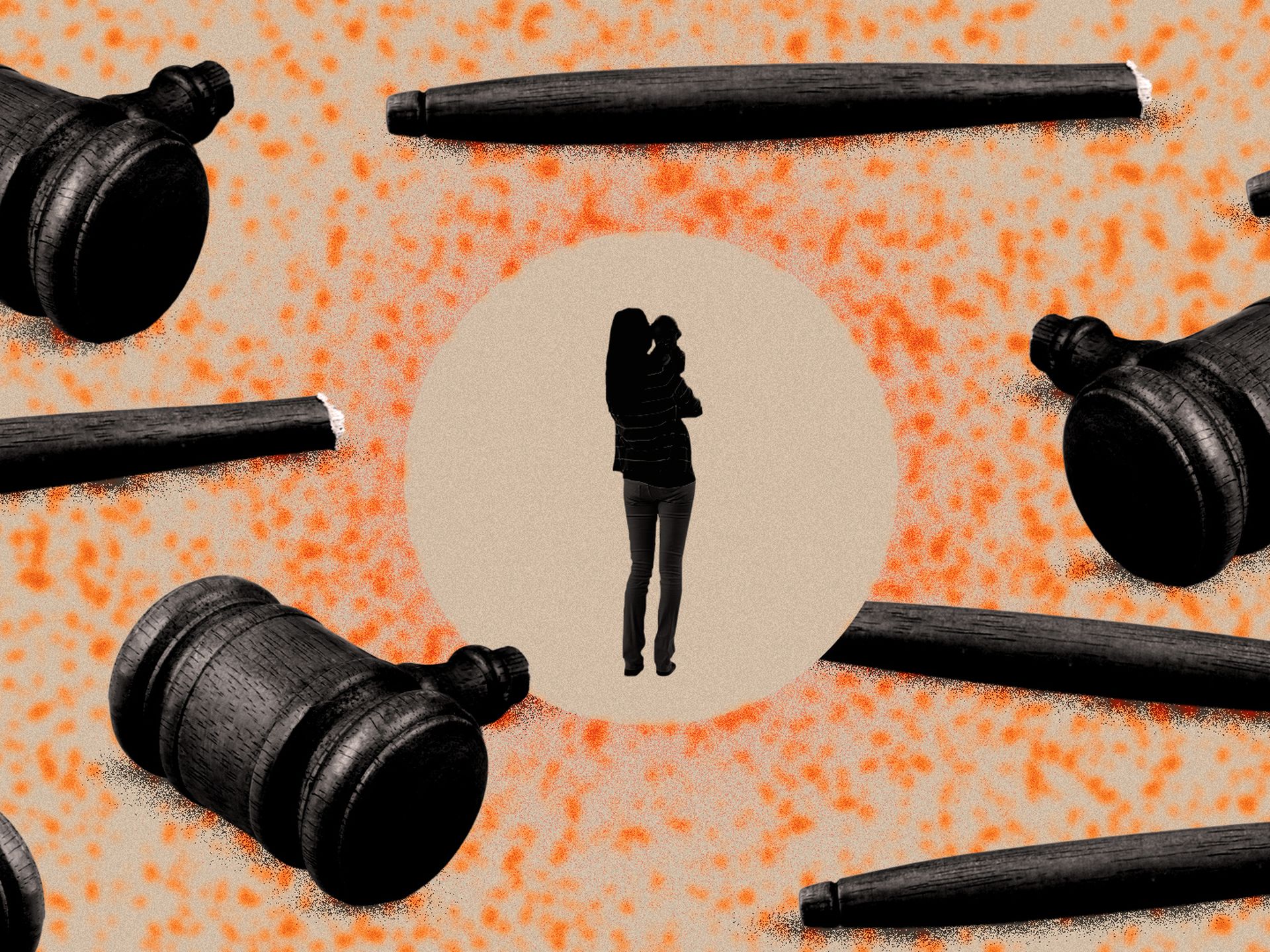
The recent measles outbreak in South Carolina has sparked a heated debate over the state's public health policies, with the Department of Health and Environmental Control (DHEC) facing criticism for its handling of the situation. The agency has opted to prioritize personal choice, allowing parents to decide whether or not to vaccinate their children against the highly contagious disease.
Measles Cases Continue to Rise
According to the Centers for Disease Control and Prevention (CDC), there have been over 1,200 reported cases of measles in the United States this year, with the majority occurring in states with lower vaccination rates. In South Carolina, the situation is particularly concerning, with several cases reported in the past few weeks.
The CDC has emphasized the importance of vaccination in preventing the spread of measles, with the disease being highly contagious and potentially life-threatening. Despite this, the DHEC has chosen to take a more lenient approach, allowing parents to decide whether or not to vaccinate their children.
Health Experts Weigh in on the Decision
Health experts are speaking out against the DHEC's decision, citing concerns about public safety and the potential for the disease to spread further. "The measles vaccine is one of the most effective vaccines we have, and it's crucial that people get vaccinated to prevent outbreaks," said Dr. Anthony Fauci, director of the National Institute of Allergy and Infectious Diseases.
Dr. Karen Remley, a pediatrician and former Virginia health commissioner, echoed Fauci's concerns, stating that the decision to prioritize personal choice over vaccination protocols is "alarming." "Measles is a serious disease that can have devastating consequences, especially for young children and those with weakened immune systems," she added.
Personal Choice vs. Public Safety
The debate over personal choice vs. public safety is a complex one, with many arguing that individuals should have the right to make their own decisions about vaccination. However, health experts counter that public safety should take precedence, particularly when it comes to diseases that can spread rapidly and have serious consequences.
The DHEC's decision has raised questions about the role of government in public health policy and the balance between individual rights and collective responsibility. As the situation continues to unfold, it remains to be seen how the state will address the measles outbreak and prioritize public safety.
As the situation continues to evolve, it's essential for residents to remain vigilant and follow recommended vaccination protocols. The CDC and other health organizations are urging people to get vaccinated and to take steps to prevent the spread of the disease.
In the meantime, the DHEC is facing criticism for its handling of the situation, with many calling for a more stringent approach to vaccination protocols. As the debate continues, one thing is clear: the measles outbreak in South Carolina is a stark reminder of the importance of public health policy and the need for collective action to prevent the spread of disease.
The situation is a complex one, with many factors at play. However, one thing is certain: the health and well-being of South Carolina residents depend on the state's ability to address the measles outbreak effectively and prioritize public safety.
As the debate over personal choice vs. public safety continues, it's essential to remember that the measles vaccine is one of the most effective tools we have in preventing the spread of the disease. By getting vaccinated and taking steps to prevent the spread of the disease, we can all play a role in keeping our communities safe.
The situation in South Carolina is a stark reminder of the importance of public health policy and the need for collective action to prevent the spread of disease. By working together, we can create a safer, healthier community for everyone.