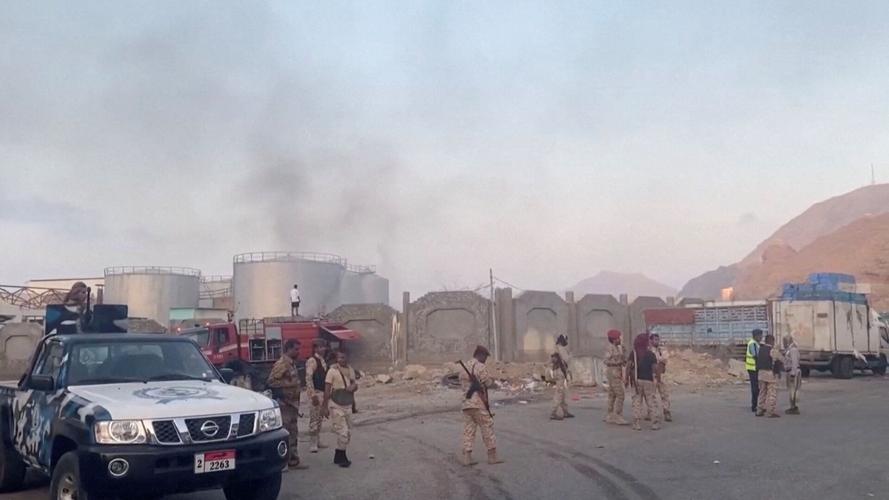
The conflict in Yemen has been ongoing for years, with various factions vying for control of the strategically located country. However, the situation has taken a dire turn as two of the Middle East's most powerful countries, Saudi Arabia and the United Arab Emirates, have escalated their involvement in the conflict.
Escalating Military Action
The conflict began as a civil war between the Houthi rebels and the Yemeni government, but it has since become a regional proxy war, with Saudi Arabia and the UAE backing opposing factions. The UAE has been accused of using mercenaries and other tactics to gain an advantage in the conflict.
The escalation of military action has led to a significant increase in civilian casualties and displacement. The United Nations estimates that over 13,000 civilians have been killed or injured in the conflict since 2015.
International Reactions and Diplomatic Efforts
The international community has been critical of the actions of Saudi Arabia and the UAE in Yemen. The United States, the United Kingdom, and other Western countries have called for a ceasefire and an end to the violence.
The United Nations has tried to facilitate a peace process, but efforts have been hindered by the lack of a unified opposition to the Houthi rebels. The UN has also accused both sides of violating international law, including war crimes.
Humanitarian Crisis and Consequences
The conflict in Yemen has led to a devastating humanitarian crisis, with millions of people in need of aid. The country's infrastructure, including roads, bridges, and hospitals, has been severely damaged or destroyed.
The conflict has also had significant economic consequences, with the country's economy in shambles. The war has disrupted trade and commerce, leading to widespread poverty and famine.
In conclusion, the conflict in Yemen is a complex and multifaceted issue, with no clear end in sight. The involvement of Saudi Arabia and the UAE has only exacerbated the situation, leading to increased violence and human suffering.