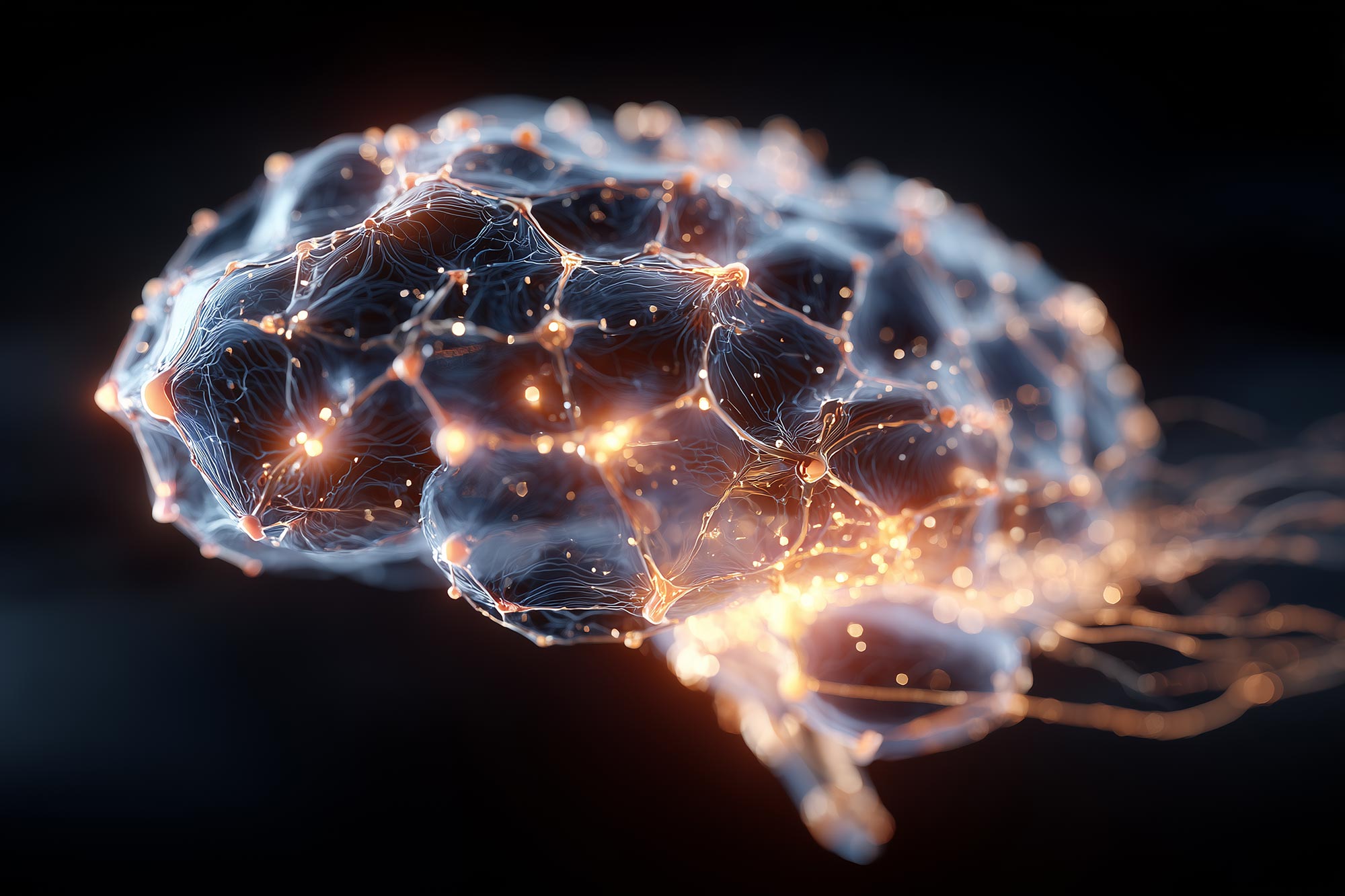
Researchers from the University of California, Los Angeles (UCLA), have made a significant breakthrough in the field of computing, developing a new "intelligent" material that computes like a human brain. This innovative material, known as a "neuromorphic material," has the ability to process information in a way that is similar to the human brain, making it a potential game-changer in the field of computing.
The researchers used a combination of materials science and nanotechnology to create the neuromorphic material, which is made up of tiny sensors and actuators that work together to process information. This material is able to learn and adapt in a way that is similar to the human brain, making it a potential candidate for use in advanced artificial intelligence systems.
Key Features of the Neuromorphic Material
The neuromorphic material has several key features that make it unique and potentially revolutionary. One of the main advantages of this material is its ability to process information in parallel, much like the human brain. This allows it to perform complex tasks quickly and efficiently, making it a potential candidate for use in applications such as image recognition and natural language processing.
Another key feature of the neuromorphic material is its ability to learn and adapt. The material is able to adjust its processing capabilities based on the information it receives, allowing it to improve its performance over time. This is similar to the way that the human brain learns and adapts to new information, making it a potential candidate for use in advanced artificial intelligence systems.
The neuromorphic material is also highly scalable, meaning that it can be used in a wide range of applications, from small devices such as smartphones and laptops to large-scale systems such as data centers and supercomputers.
Potential Applications of the Neuromorphic Material
The potential applications of the neuromorphic material are vast and varied. One of the most promising areas of application is in the field of artificial intelligence, where the material could be used to develop more advanced AI systems that are able to learn and adapt in a way that is similar to the human brain.
Another potential area of application is in the field of robotics, where the material could be used to develop more advanced robots that are able to learn and adapt in a way that is similar to the human brain. This could lead to the development of more advanced robots that are able to perform complex tasks such as assembly and maintenance.
The neuromorphic material could also be used in a wide range of other applications, including image recognition, natural language processing, and data analysis. The possibilities are endless, and researchers are excited to explore the potential of this innovative material.
Future Research and Development
The researchers behind the development of the neuromorphic material are already working on ways to improve and refine its capabilities. One of the main areas of focus is on increasing the speed and efficiency of the material, making it even more suitable for use in advanced AI systems.
Another area of focus is on developing new applications for the material, such as in the field of medicine, where it could be used to develop more advanced diagnostic tools and treatments.
The researchers are also working on developing new manufacturing techniques that will allow them to produce the neuromorphic material on a large scale, making it more accessible and affordable for use in a wide range of applications.
Overall, the development of the neuromorphic material is a significant breakthrough in the field of computing, and it has the potential to revolutionize the way that we approach artificial intelligence and other complex tasks.
The researchers are excited to continue exploring the potential of this innovative material, and they believe that it could lead to a wide range of new and exciting applications in the future.