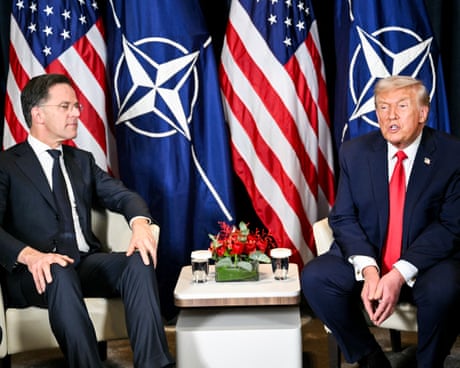
US Republican senators Mitch McConnell and Thom Tillis have made a significant departure from their party's leader, former President Donald Trump, by opposing his suggestion to withdraw from the North Atlantic Treaty Organization (NATO). The surprise move, reported by The Guardian, marks a notable divergence within the Republican party, which has traditionally been known for its hawkish stance on defense and foreign policy.
History of Tensions within NATO
NATO, formed in 1949, is a military alliance of 30 North American and European countries. The organization has played a crucial role in maintaining international security and stability, particularly during the Cold War era. However, under Trump's presidency, NATO faced increased scrutiny and criticism, with the former President repeatedly expressing dissatisfaction with the alliance's commitment to defense spending and its perceived lack of support for the United States.
Trump's criticisms of NATO were largely driven by his 'America First' agenda, which emphasized the importance of prioritizing US interests and protecting American jobs. His stance on the alliance was seen as a departure from the traditional Republican party stance on defense and foreign policy, which has historically been more hawkish and supportive of international cooperation.
McConnell and Tillis' Break with Trump
Senator Mitch McConnell, the Republican leader in the US Senate, and Senator Thom Tillis, a member of the Senate Armed Services Committee, have both publicly expressed their opposition to withdrawing from NATO. Their decision marks a significant break with Trump, who has long advocated for the US to leave the alliance. The move is seen as a sign of growing unease within the Republican party, particularly among those who believe that NATO remains a vital component of global security and stability.
In a statement, McConnell emphasized the importance of NATO in maintaining international stability and security, stating that the alliance remains "one of the most successful military alliances in history." Tillis also expressed his support for NATO, highlighting the need for continued cooperation and coordination among member states to address shared security challenges.
FUTURE Implications for Republican Party
The break between McConnell, Tillis, and Trump has significant implications for the Republican party, particularly as it prepares for the 2024 presidential election. The move highlights a growing rift within the party, which may struggle to present a unified stance on foreign policy and defense issues. The development also raises questions about the party's ability to navigate its stance on global alliances and the role of the United States in international affairs.
As the party navigates this complex terrain, it remains to be seen how the break between McConnell, Tillis, and Trump will shape the Republican party's stance on NATO and other global issues. One thing is certain, however: the move marks a significant departure from the party's traditional stance on defense and foreign policy.
The implications of this break are far-reaching and will likely have significant consequences for the Republican party's stance on foreign policy and defense issues. As the party navigates this complex terrain, it remains to be seen how it will balance its commitment to international cooperation with its 'America First' agenda.
One thing is clear, however: the break between McConnell, Tillis, and Trump marks a significant departure from the party's traditional stance on defense and foreign policy. As the party moves forward, it will be interesting to see how it addresses this growing rift and navigates its stance on global alliances and international cooperation.