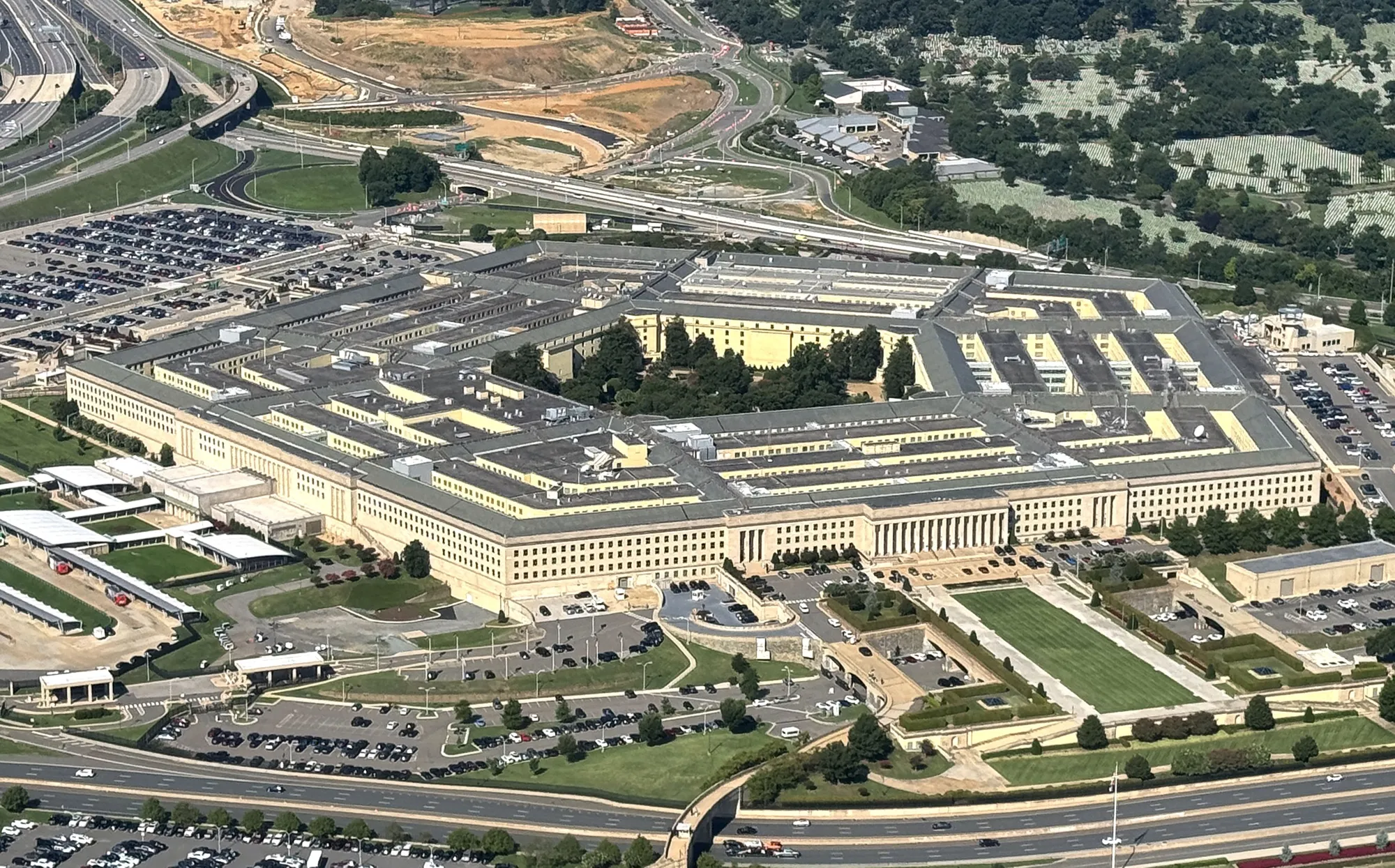
The US Department of Defense has taken a significant step in regulating the development of artificial intelligence (AI) by identifying Anthropic, a prominent AI research firm, as a supply-chain risk. According to a recent report by Bloomberg, the Pentagon has informed Anthropic that it is considered a risk due to concerns over the potential military applications of its AI technology. This warning marks a significant escalation in the US government's efforts to regulate the development of advanced technologies that could impact national security.
US Government's Growing Scrutiny of Private AI Companies
The Pentagon's warning to Anthropic is part of a broader trend of US government agencies increasing their scrutiny of private AI companies. As AI technology continues to advance at a rapid pace, the US government is seeking to ensure that its development is aligned with national security interests. This includes identifying and mitigating potential risks associated with the use of AI in military applications.
The US government's approach to AI regulation is complex and multifaceted. While it seeks to promote the development of AI technology, it also aims to prevent its misuse by hostile actors. By identifying Anthropic as a supply-chain risk, the Pentagon is signaling its intention to closely monitor the activities of private AI companies and ensure that their technology is not used to compromise national security.
Implications for Anthropic and the AI Industry
The Pentagon's warning to Anthropic has significant implications for the company and the broader AI industry. Anthropic may be required to implement additional security measures to mitigate the risks associated with its AI technology. This could include restricting access to sensitive information or implementing strict protocols for the development and deployment of its AI systems.
The AI industry as a whole may also be impacted by the Pentagon's warning to Anthropic. As the US government continues to scrutinize private AI companies, others may face similar warnings or even face regulatory action. This could lead to increased costs and complexity for AI companies, potentially slowing the development of AI technology.
Future of AI Regulation in the US
The Pentagon's warning to Anthropic highlights the complex and evolving nature of AI regulation in the US. As AI technology continues to advance, the US government is likely to face increasing challenges in regulating its development. This will require a nuanced approach that balances the promotion of innovation with the need to protect national security.
The future of AI regulation in the US will depend on a range of factors, including the development of new technologies and the evolution of the global AI landscape. As the US government continues to grapple with the challenges of AI regulation, it will be essential to prioritize transparency, collaboration, and a commitment to protecting national security.
In conclusion, the Pentagon's warning to Anthropic marks a significant development in the US government's approach to AI regulation. As the AI industry continues to evolve, it is essential for private companies to prioritize transparency and collaboration with government agencies. By working together, the US can promote the responsible development of AI technology while protecting national security.