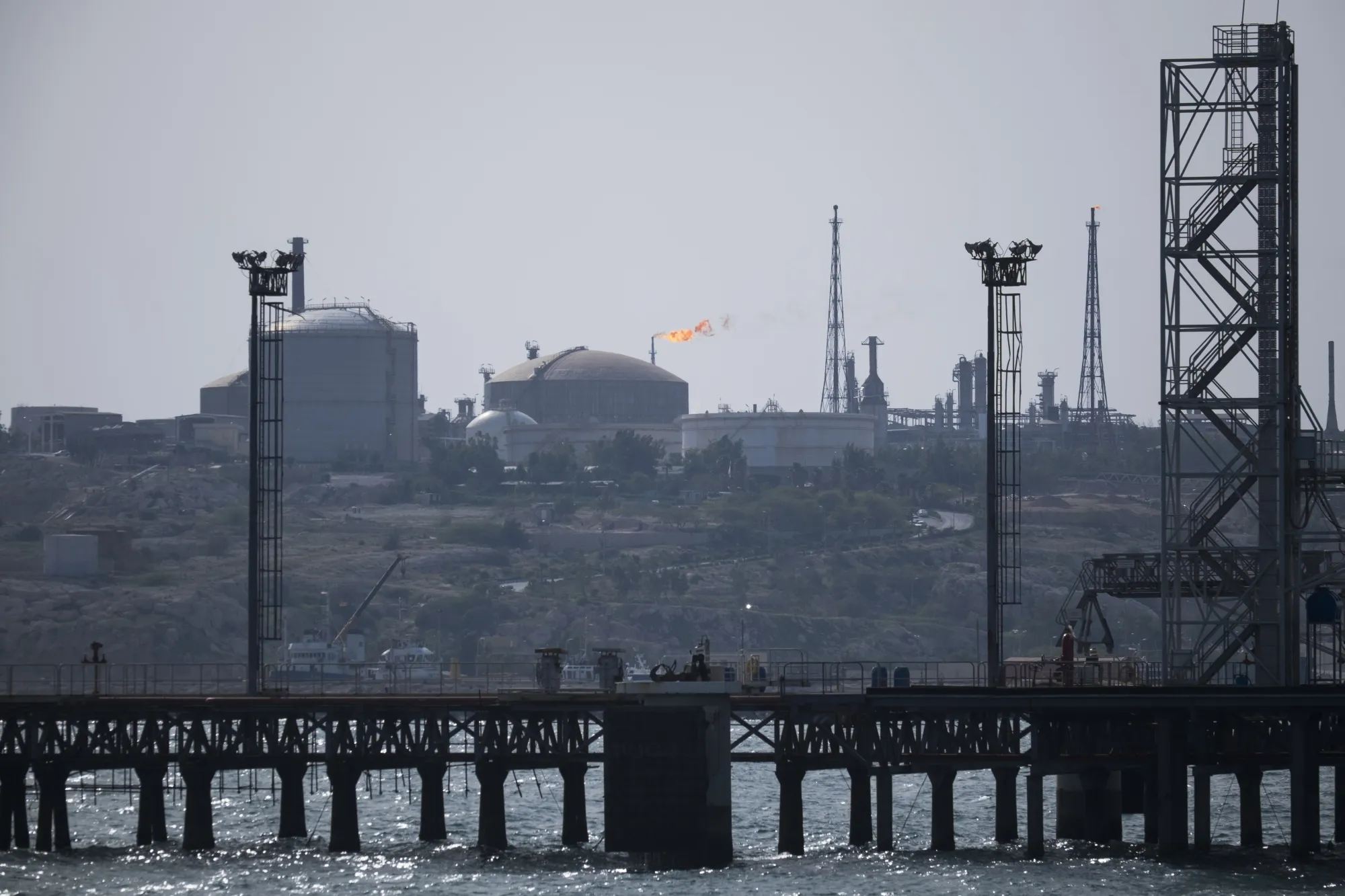
The global oil market is bracing itself for a potentially chaotic week as concerns over a recent attack on Iran's Kharg Island continue to escalate. The Kharg Island oil terminal is a critical export hub for Iran, with a significant portion of the country's oil exports passing through the facility. On April 29, a drone attack struck the island, sparking fears that the incident could have far-reaching consequences for global oil supplies.
Oil Market Reaction
Oil prices have already begun to respond to the increased uncertainty, with Brent crude futures rising 1.5% to $104.50 per barrel. Analysts predict that prices could continue to fluctuate wildly throughout the week as traders weigh the potential impact of the attack on global oil supplies. Meanwhile, the U.S. Energy Information Administration (EIA) has warned that global oil supplies are already at risk of tightening in the coming months, making the Kharg attack a particularly timely and worrying development.
The EIA's warning comes as global oil demand continues to rise, driven by the ongoing economic recovery in many parts of the world. At the same time, oil production in several key countries, including Iran, Venezuela, and Libya, remains constrained due to a range of factors, including sanctions, conflict, and operational disruptions.
Kharg Island's Strategic Importance
Kharg Island is a critical component of Iran's oil export infrastructure, accounting for around 80% of the country's oil exports. The terminal has long been a target of geopolitical tensions, with several previous attacks and sabotage incidents aimed at disrupting its operations. The recent drone attack has once again highlighted the vulnerability of Kharg Island to potential disruptions and the risks they pose to global oil supplies.
The strategic importance of Kharg Island extends beyond its role as an oil export terminal. The facility is also a key hub for the transit of oil and natural gas to other parts of the country, making it a vital component of Iran's energy infrastructure. Any prolonged disruption to the terminal's operations could have significant consequences for Iran's economy, as well as the broader global energy market.
Global Response and Implications
The international community is closely watching the situation in Iran, with several countries issuing statements of concern and condemnation. The U.S. has warned Iran that it will not tolerate any further disruptions to global oil supplies, while other countries have called for restraint and de-escalation. The response of the international community will likely have a significant impact on the trajectory of the crisis and the ultimate outcome.
The implications of the Kharg attack extend far beyond the immediate impact on global oil prices. The incident has raised concerns about the long-term security of global oil supplies, as well as the potential for a broader destabilization of the Middle East. As the situation continues to unfold, it remains to be seen how the major players will respond and what the ultimate consequences will be.
In the short term, oil market analysts are bracing themselves for a turbulent week ahead, with prices likely to fluctuate wildly in response to the uncertainty. As the situation continues to develop, it will be essential for traders, investors, and policymakers to remain vigilant and adapt to changing circumstances.
The Kharg attack is a stark reminder of the ongoing risks and challenges facing the global oil market. As the world continues to grapple with the complexities of energy security, it is clear that the stakes are higher than ever before.
Ultimately, the outcome of the crisis will depend on a range of factors, including the response of the international community, the resilience of Iran's oil export infrastructure, and the ability of the global oil market to adapt to changing circumstances.
One thing is certain, however: the Kharg attack has set the stage for a tumultuous week in the oil market, with far-reaching implications for global energy security and the broader economy.
As the situation continues to unfold, it will be essential for all stakeholders to remain informed and up-to-date on the latest developments, in order to navigate the complex and potentially treacherous landscape of global energy markets.