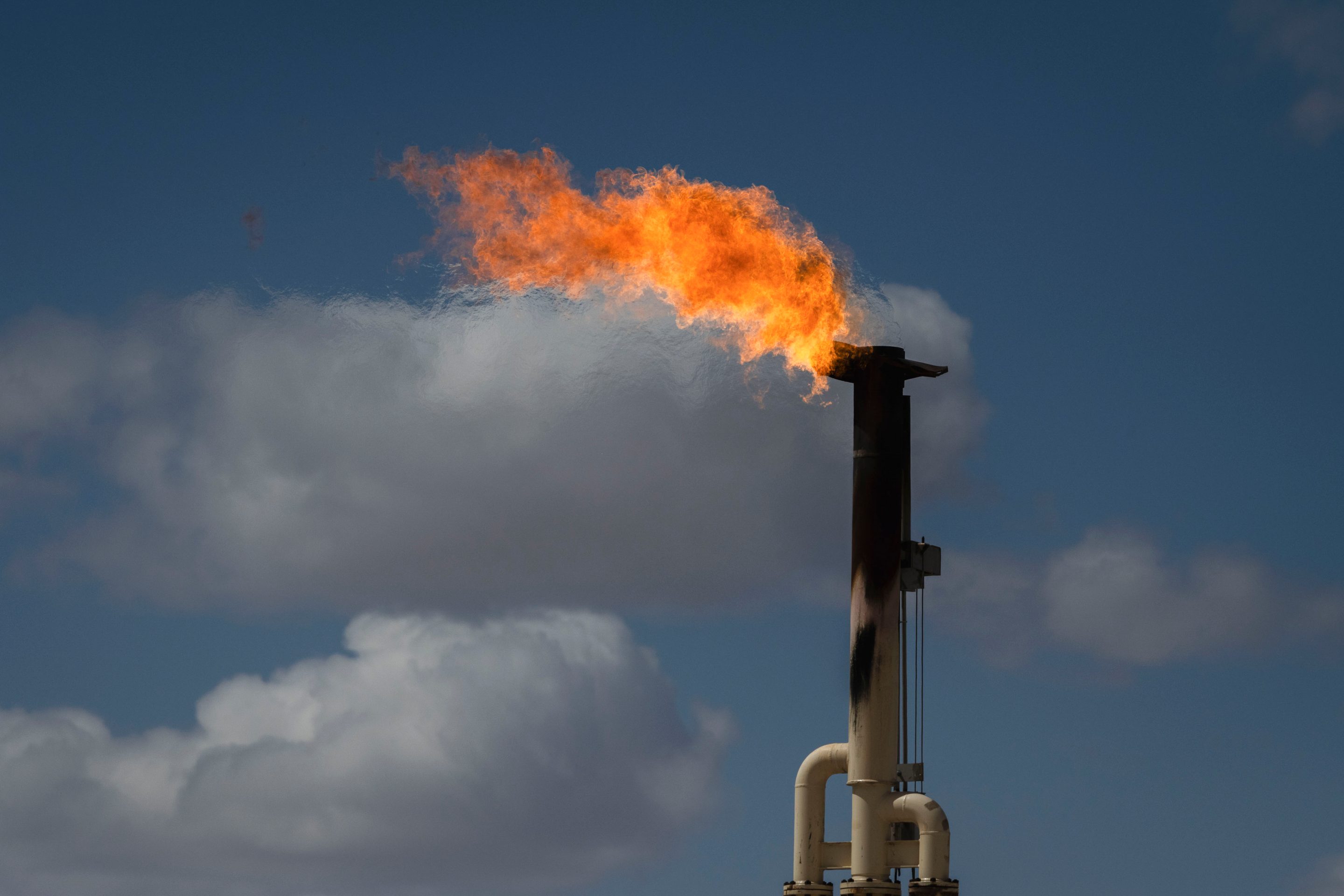
The oil and gas industry is reeling from a perfect storm of oversupply, increased production, and a lack of pipeline infrastructure. As a result, natural gas prices in Texas have plummeted to negative levels, forcing producers to pay companies to take the gas off their hands. This phenomenon, known as a "gas glut," has left many wondering what the future holds for the energy market.
The Root Causes of the Gas Glut
One of the primary drivers of the gas glut is the increase in shale oil production in the Permian Basin of Texas. The Permian Basin is the largest oil-producing region in the United States, and the surge in production has led to a corresponding increase in natural gas output. However, the lack of pipeline infrastructure to transport the gas to markets where it is in demand has resulted in a buildup of excess supplies.
Another factor contributing to the gas glut is the increased production from new wells coming online. As producers seek to maximize their returns, they are drilling more wells and extracting more gas than the market can absorb. This has led to a surge in gas production, which is now being stored in underground storage facilities and injection wells.
The Consequences of the Gas Glut
The consequences of the gas glut are far-reaching and multifaceted. For producers, the negative prices are a significant financial blow, as they are forced to pay companies to take the gas off their hands. This is a rare occurrence in the energy market, where prices are typically driven by supply and demand. For consumers, the gas glut may lead to higher prices in the long term, as producers seek to recoup their losses.
The gas glut is also having a ripple effect on the wider energy market. As prices drop, investors are becoming increasingly cautious, leading to a decline in investment in new energy projects. This could have long-term consequences for the energy sector, as the lack of investment may lead to a decline in production and higher prices in the future.
The Way Forward
So, what's the solution to the gas glut? One option is for producers to invest in new pipeline infrastructure to transport the gas to markets where it is in demand. This would help to alleviate the pressure on storage facilities and injection wells, allowing producers to sell their gas at a profit.
Another option is for regulators to step in and implement policies to manage the gas glut. This could include measures such as reducing production or implementing taxes on gas production. However, such measures would need to be carefully considered to avoid unintended consequences and ensure that the energy market remains stable.
As the gas glut continues to dominate the headlines, one thing is clear: the energy market is facing a complex and challenging situation. The key to resolving the crisis will be for producers, regulators, and investors to work together to find a solution that balances the needs of all stakeholders.
Only time will tell if the gas glut will lead to a new era of energy abundance or a perfect storm of oversupply and undersupply. One thing is certain, however: the energy market will be watching the situation closely, and any changes will have far-reaching consequences for the industry and the wider economy.