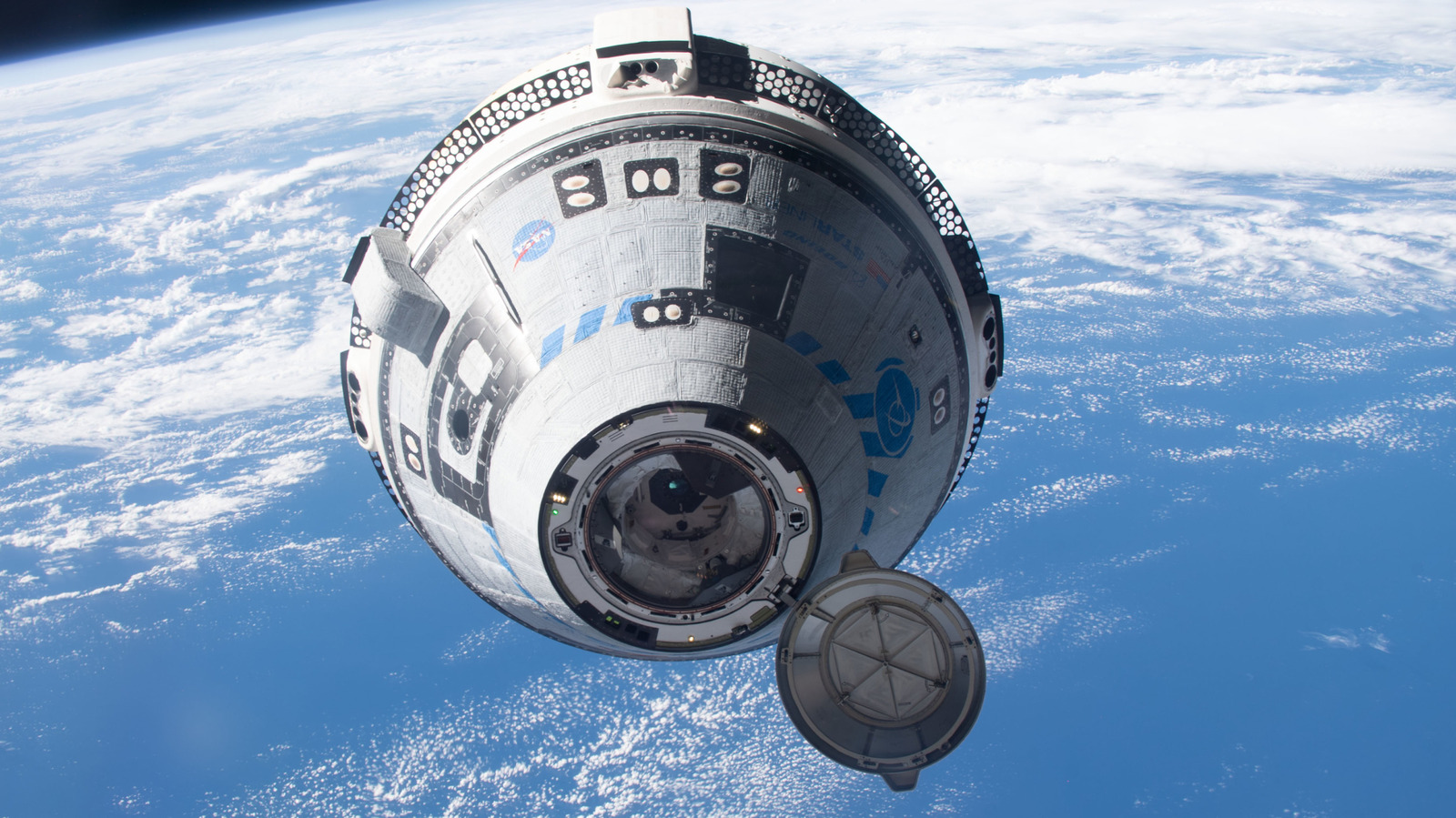
The Boeing Starliner spacecraft has been a key component of NASA's Commercial Crew Program, aimed at providing a reliable and efficient means of transporting astronauts to and from low-Earth orbit. However, the recent failure of the Starliner spacecraft during an uncrewed test flight has raised concerns about the program's progress and Boeing's ability to meet the necessary safety standards.
Investigation and Classification
NASA's investigation into the incident found that a faulty valve and navigation system issues were the primary causes of the Starliner's problems during the test flight. The agency's review also identified several other contributing factors, including software and hardware issues.
Based on the investigation's findings, NASA has officially classified the Boeing Starliner failure as a maximum-level Type A mishap. This designation is the most severe classification, indicating a significant risk to safety and a major deviation from established procedures.
NASA's Response and Next Steps
NASA has emphasized that the classification of the incident as a Type A mishap will not impact the agency's current plans for the Starliner program. However, the incident has highlighted the need for Boeing to address the underlying issues and implement necessary improvements to ensure the spacecraft's safety and reliability.
The agency has also stated that it will continue to work closely with Boeing to address the issues and ensure that the Starliner program meets the necessary safety standards. This may involve additional testing and validation of the spacecraft's systems before it can be certified for crewed flights.
Implications for Boeing and NASA
The classification of the Boeing Starliner failure as a maximum-level Type A mishap has significant implications for Boeing's partnership with NASA. The incident has raised concerns about Boeing's ability to meet the necessary safety standards and its commitment to the Commercial Crew Program.
NASA has also emphasized that the incident will not impact its plans for the Starliner program, but it may lead to increased scrutiny and oversight of the program's progress. The agency has stated that it will continue to work closely with Boeing to address the issues and ensure that the Starliner program meets the necessary safety standards.
The Boeing Starliner failure serves as a reminder of the importance of safety and reliability in space exploration. As NASA and Boeing work to address the issues and implement necessary improvements, it is clear that the future of the Starliner program and Boeing's partnership with NASA will depend on their ability to meet the necessary safety standards.
The incident has also highlighted the need for continued investment in space exploration and development. As the industry continues to evolve and grow, it is essential that NASA and its partners prioritize safety and reliability to ensure the success of future missions and programs.
The Boeing Starliner failure is a significant setback for the Commercial Crew Program, but it is not a fatal blow. With NASA's continued oversight and Boeing's commitment to addressing the issues, the program can still achieve its goals and provide a reliable and efficient means of transporting astronauts to and from low-Earth orbit.
The incident serves as a reminder of the complexity and risk involved in space exploration. As NASA and its partners continue to push the boundaries of what is possible, it is essential that they prioritize safety and reliability to ensure the success of future missions and programs.
The Boeing Starliner failure is a major development in the space industry, and its implications will be felt for years to come. As NASA and Boeing work to address the issues and implement necessary improvements, it is clear that the future of the Starliner program and Boeing's partnership with NASA will depend on their ability to meet the necessary safety standards.
The incident has raised concerns about Boeing's ability to meet the necessary safety standards and its commitment to the Commercial Crew Program. However, with NASA's continued oversight and Boeing's commitment to addressing the issues, the program can still achieve its goals and provide a reliable and efficient means of transporting astronauts to and from low-Earth orbit.
The Boeing Starliner failure is a significant setback for the Commercial Crew Program, but it is not a fatal blow. With NASA's continued oversight and Boeing's commitment to addressing the issues, the program can still achieve its goals and provide a reliable and efficient means of transporting astronauts to and from low-Earth orbit.