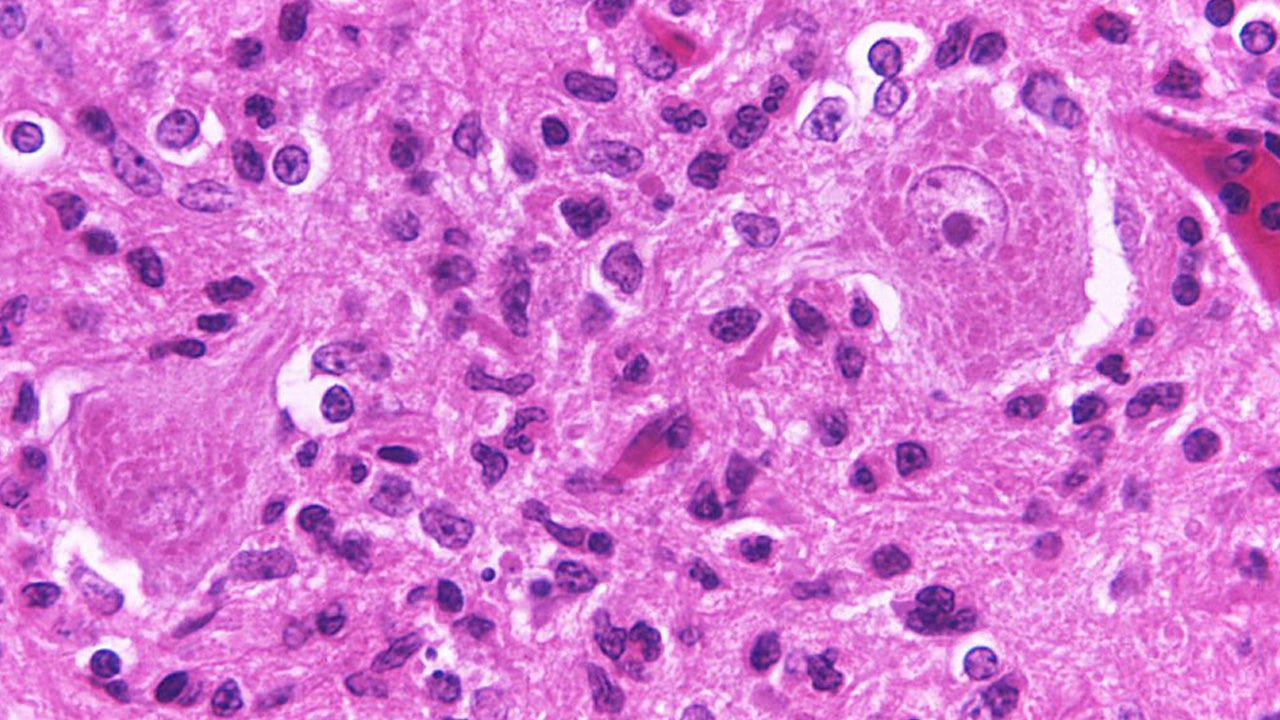
A 57-year-old man in Michigan has lost his life after receiving a kidney transplant infected with rabies, a rare and deadly viral disease. According to a statement by the Centers for Disease Control and Prevention (CDC), the donor's organs were not properly screened, leading to the transmission of the virus to the recipient.
CDC Investigation and Findings
The CDC is currently investigating the case to determine how the donor was infected and how the organs were not checked for the virus. The agency has confirmed that the donor's family had not reported any symptoms of rabies, and the organs were not tested for the virus before transplantation.
Dr. Anne Schuchat, the CDC's principal deputy director, stated that the case highlights the importance of rigorous screening procedures for organ donors. "This case serves as a reminder that organ transplantation from unknown sources carries risks, and we must take every precaution to ensure the safety of recipients," she emphasized.
Consequences of Unscreened Organ Donations
The transmission of rabies through organ transplantation is extremely rare, but it can be fatal. Rabies is a viral disease that affects the nervous system, and once symptoms appear, the case is almost always fatal. In the United States, there is an estimated 1-2 human rabies cases per year, and most of these cases are due to dog bites.
The medical community is taking this case as a warning to be more vigilant about unscreened organ donations. Organ procurement organizations and transplant centers are reviewing their procedures to ensure that all donors are properly screened for infectious diseases, including rabies.
Public Health Response and Implications
The CDC is working closely with state and local health departments to ensure that all organ transplant centers and hospitals are aware of the risks associated with unscreened organ donations. The agency is also reviewing its guidelines for organ donor screening to prevent similar cases in the future.
The incident has raised concerns about the safety of organ transplantation and the risks associated with unscreened organ donations. However, experts emphasize that the benefits of organ transplantation far outweigh the risks, and the medical community is working to ensure that transplant recipients receive safe and healthy organs.
The case highlights the importance of public awareness about the risks associated with unscreened organ donations and the need for rigorous screening procedures to ensure the safety of organ transplant recipients.