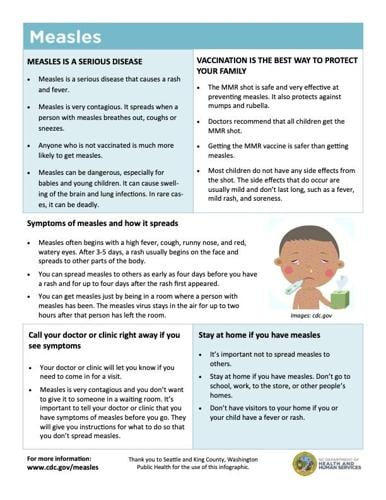
The US has seen a significant increase in measles cases in recent years, with over 1,200 reported cases in 2022 alone, according to the Centers for Disease Control and Prevention (CDC). This marks a 28% increase from the previous year, and the highest number of cases since 1996. The majority of cases have been reported in unvaccinated individuals, but some vaccinated individuals have also contracted the disease, leading to concerns about the effectiveness of vaccination.
Measles is a highly contagious viral disease that can cause fever, cough, runny nose, and a characteristic rash. It is spread through the air when an infected person coughs or sneezes, and can also be spread through contact with an infected person's respiratory secretions. The disease can be severe in people with weakened immune systems, such as young children, pregnant women, and individuals with certain medical conditions.
Risks of Measles for Vaccinated Individuals
While the measles vaccine is highly effective in preventing the disease, it is not 100% effective. According to the CDC, the measles vaccine is about 93% effective after one dose and 97% effective after two doses. However, some vaccinated individuals may still contract the disease, particularly if they have weakened immune systems or have been exposed to a large dose of the virus.
There are several reasons why vaccinated individuals may still contract measles, including the possibility of vaccine failure, waning immunity over time, and exposure to a large dose of the virus. However, public health officials emphasize that the risk of contracting measles is still much lower for vaccinated individuals compared to those who are unvaccinated.
Why are People Refusing to Get Vaccinated?
Despite the risks associated with measles, some people are still refusing to get vaccinated, often due to misconceptions about the safety and efficacy of the vaccine. According to a survey conducted by the CDC, the most common reasons for refusing vaccination include concerns about the vaccine's safety, concerns about the vaccine's effectiveness, and personal or philosophical objections.
Other factors, such as misinformation and lack of access to healthcare, may also contribute to vaccination refusal. Public health officials are working to address these concerns and promote vaccination education, but the issue remains a complex and challenging one.
What Can Be Done to Prevent Measles Outbreaks?
Public health officials are urging individuals to get vaccinated and follow proper vaccination schedules to prevent measles outbreaks. The CDC recommends that all children receive two doses of the measles, mumps, and rubella (MMR) vaccine, with the first dose given at 12-15 months of age and the second dose given at 4-6 years of age.
Adults who have not been vaccinated or who are unsure about their vaccination status should also consult with their healthcare provider to determine if they need a booster shot. Furthermore, public health officials are working to improve vaccination education and awareness, particularly in communities with low vaccination rates.
As the measles outbreak continues to spread, it is essential that individuals take steps to protect themselves and their loved ones. By getting vaccinated and following proper vaccination schedules, individuals can significantly reduce their risk of contracting the disease and help prevent further outbreaks.
Public health officials emphasize that vaccination is a critical tool in preventing the spread of infectious diseases, including measles. By promoting vaccination education and awareness, we can work towards creating a safer and healthier community for everyone.