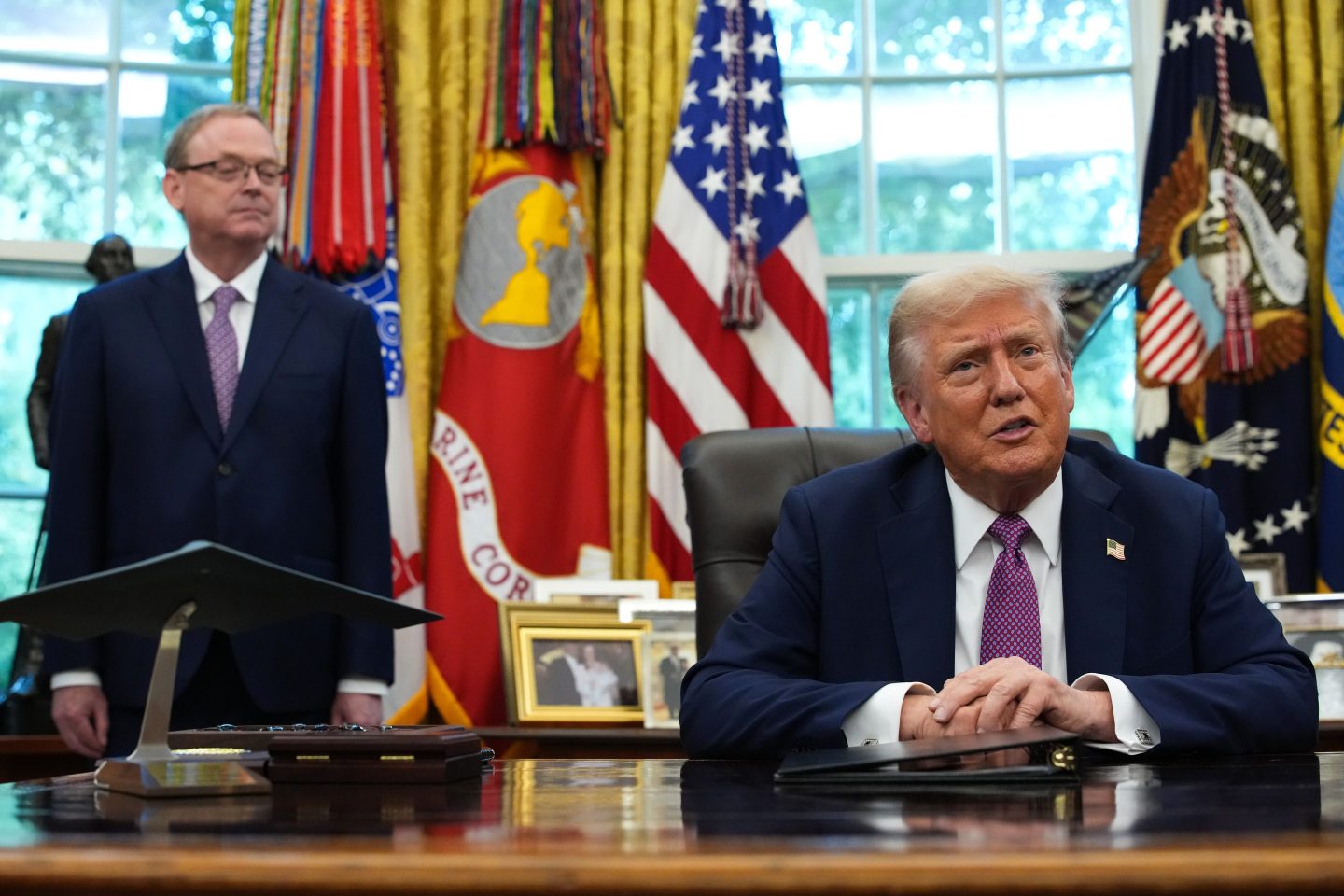
Kevin Hassett, a prominent economist and former economic adviser to former President Donald Trump, has made headlines with his recent comments on the role of the president in shaping the country's economic policy. Speaking at a recent event, Hassett stated that the president's opinion would have "no weight" on the Federal Open Market Committee (FOMC), the body responsible for setting the country's monetary policy.
Background on the FOMC
The FOMC is a crucial part of the US Federal Reserve, responsible for setting interest rates and implementing monetary policy to promote maximum employment and price stability. The committee consists of seven members, including the Chairman of the Federal Reserve, who are appointed by the President and confirmed by the Senate. The FOMC's decisions are widely followed by financial markets and have a significant impact on the country's economy.
While the FOMC is an independent entity, it is ultimately accountable to the Federal Reserve, which is overseen by the Congress. The president, however, has significant influence over the Federal Reserve through his appointments to the FOMC and the Federal Reserve's leadership. Hassett's comments suggest that the president's influence may be limited to these appointments and that the FOMC operates independently of the White House.
Implications of Hassett's Comments
Hassett's comments have sparked debate over the role of the president in shaping the country's economic policy. Some have argued that the president's influence over the FOMC is limited to his appointments and that the committee operates independently of the White House. Others have suggested that the president's opinion carries significant weight in shaping the country's economic policy.
The debate is likely to continue as the FOMC faces increased scrutiny over its decision-making process. In recent years, the FOMC has faced criticism for its handling of monetary policy, particularly during the COVID-19 pandemic. Hassett's comments provide a unique insight into the inner workings of the FOMC and the role of the president in shaping the country's economic policy.
Reaction from Economists and Experts
Economists and experts have reacted to Hassett's comments with a mix of surprise and skepticism. Some have argued that the president's influence over the FOMC is more significant than Hassett suggests, while others have praised the committee's independence from the White House.
Roger Altman, a former US Deputy Treasury Secretary, said that Hassett's comments were "refreshing" and highlighted the FOMC's independence from the White House. "The FOMC is a critical part of the US economic policy, and it's essential that it operates independently of the White House," Altman said.
On the other hand, some economists have questioned Hassett's comments, arguing that the president's influence over the FOMC is more significant than he suggests. "The FOMC may be independent, but the president's influence over the committee is still significant," said Stephen Roach, a former chief economist at Morgan Stanley.
As the debate continues, it remains to be seen how the FOMC will operate in the future. Hassett's comments provide a unique insight into the inner workings of the FOMC and the role of the president in shaping the country's economic policy.
In conclusion, Hassett's comments have sparked a significant debate over the role of the president in shaping the country's economic policy. While some have praised the FOMC's independence from the White House, others have questioned the president's influence over the committee.