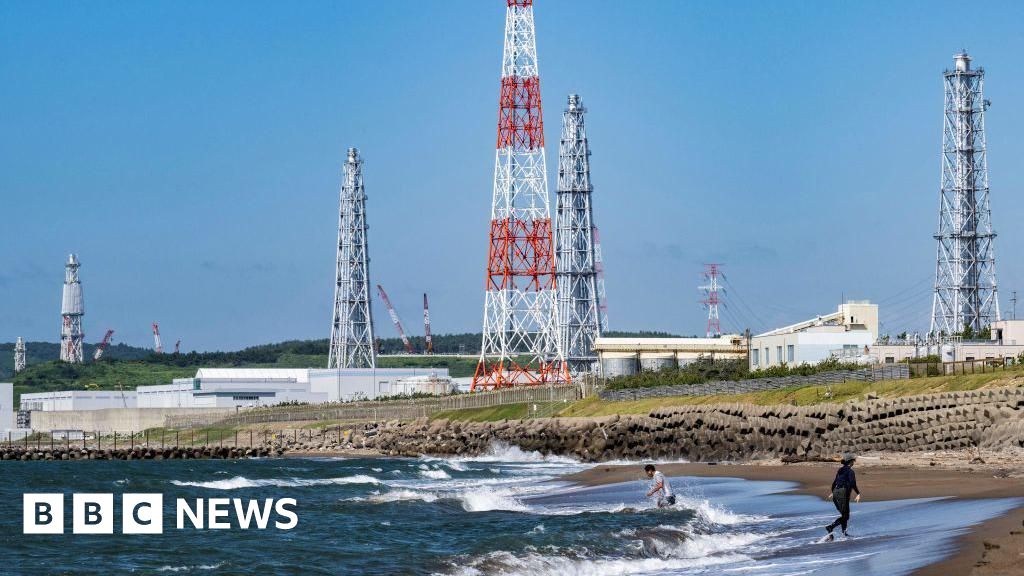
The Japanese government has given the green light for the restart of the Kashiwazaki-Kariwa nuclear power plant, the world's largest nuclear facility, in the Niigata prefecture. The plant, operated by Tokyo Electric Power Company Holdings (TEPCO), has been shut down for nearly a decade due to maintenance and safety concerns.
Approval and Criticism
The restart was approved by Japan's nuclear regulator, the Nuclear Regulation Authority (NRA), following a lengthy review process. However, the decision has sparked heated debate among local residents, with some welcoming the move as a boost to the local economy and others expressing concerns over safety.
Local opposition groups have long argued that the plant poses a risk to the nearby city of Kashiwazaki, citing concerns over earthquakes and tsunamis. Some residents have also raised questions about the plant's preparedness for a potential emergency.
Energy Policy and Nuclear Safety
The restart of Kashiwazaki-Kariwa is seen as a significant milestone in Japan's nuclear energy policy, which has been under review since the Fukushima Daiichi disaster in 2011. The disaster, caused by a tsunami, led to a major nuclear crisis and resulted in the release of radioactive materials into the environment.
Japan has since become increasingly reliant on fossil fuels and renewable energy sources, but the government has announced plans to increase nuclear power generation to meet growing energy demands. The restart of Kashiwazaki-Kariwa is seen as a key step in achieving this goal.
International Implications
The restart of Kashiwazaki-Kariwa has implications for Japan's international reputation on nuclear safety. The country has faced criticism from the International Atomic Energy Agency (IAEA) and other organizations over its nuclear regulatory framework and safety standards.
However, Japan has argued that its nuclear safety standards are among the strictest in the world, and that the restart of Kashiwazaki-Kariwa will demonstrate its commitment to nuclear safety and security.
The restart of Kashiwazaki-Kariwa is set to begin in the coming weeks, with the plant expected to generate approximately 8,200 megawatts of electricity per year. The move is expected to have a significant impact on Japan's energy policy and nuclear safety landscape, but critics remain concerned about the potential risks to public safety.