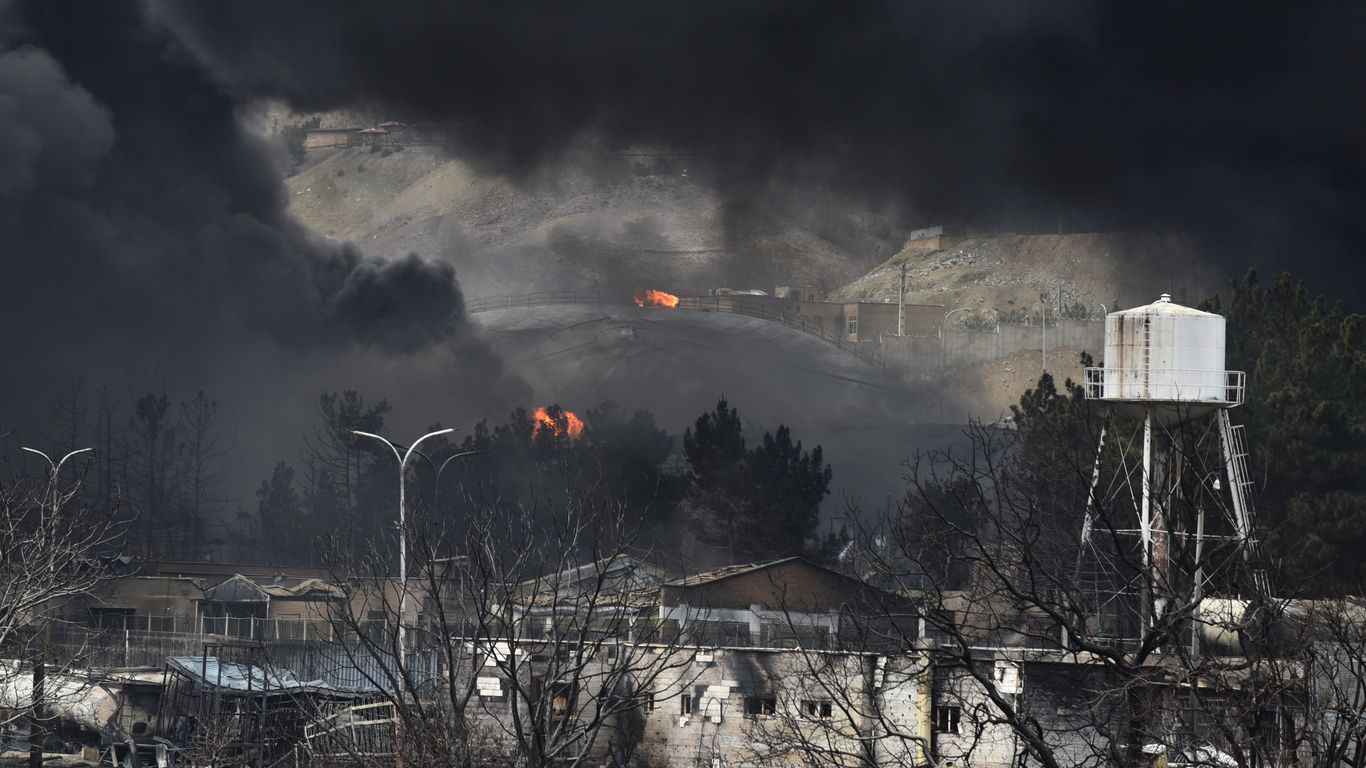
The latest developments in the Israeli-Iranian conflict have taken a dramatic turn, with the U.S. expressing dismay over Israel's airstrikes on Iran's fuel shipments. According to sources, the Biden administration is working to address the situation and prevent any further deterioration of ties between the two nations. The surprise attack has raised concerns about a potential escalation of tensions in the region.
Background of the Conflict
The Israeli-Iranian conflict has been ongoing for years, with both sides engaged in a series of proxy wars and covert operations. Iran has been accused of supporting terrorist groups in the region, while Israel has carried out several airstrikes on Iranian targets in recent months. The situation has been further complicated by the U.S. withdrawal from the Iran nuclear deal and the subsequent reimposition of sanctions.
Despite the tensions, the U.S. had been working to maintain a delicate balance between Israel and Iran, with the goal of preventing a full-blown conflict. However, the latest airstrikes have thrown this balance into question and raised concerns about a potential escalation of tensions.
U.S. Reaction to the Airstrikes
The U.S. reaction to the airstrikes has been muted, with officials expressing concern over the potential consequences of the attack. According to sources, the Biden administration is working to address the situation and prevent any further deterioration of ties between the two nations. The U.S. has also been in contact with Israel, urging restraint and caution in the face of the escalating tensions.
The U.S. has also been working to maintain communication with Iran, with the goal of preventing any further escalation of the conflict. However, the situation remains fluid, and it is unclear how the situation will unfold in the coming days.
Regional Implications
The airstrikes have significant implications for the region, with a potential escalation of tensions between Israel and Iran. The situation could also have broader implications for the Middle East, with a potential impact on the stability of the region. The U.S. has a significant stake in the region, with military bases and personnel located throughout the Middle East.
The situation has also raised concerns about the potential for a wider conflict, with the involvement of other regional players. The U.S. has been working to maintain a delicate balance between the various actors in the region, with the goal of preventing a full-blown conflict.
The situation remains fluid, and it is unclear how the situation will unfold in the coming days. However, one thing is certain: the Israeli-Iranian conflict has taken a dramatic turn, with the U.S. expressing dismay over Israel's airstrikes on Iran's fuel shipments.
The Biden administration is working to address the situation and prevent any further deterioration of ties between the two nations. However, the situation remains complex, and it is unclear how the situation will develop in the coming days.
One thing is certain: the Israeli-Iranian conflict has significant implications for the region and the world at large. The situation will be closely watched in the coming days, with a potential impact on global stability and security.
The U.S. has a significant stake in the region, with military bases and personnel located throughout the Middle East. The situation has raised concerns about the potential for a wider conflict, with the involvement of other regional players.
The situation has also raised concerns about the potential for a wider conflict, with the involvement of other regional players. The U.S. has been working to maintain a delicate balance between the various actors in the region, with the goal of preventing a full-blown conflict.
The situation remains fluid, and it is unclear how the situation will unfold in the coming days. However, one thing is certain: the Israeli-Iranian conflict has taken a dramatic turn, with the U.S. expressing dismay over Israel's airstrikes on Iran's fuel shipments.