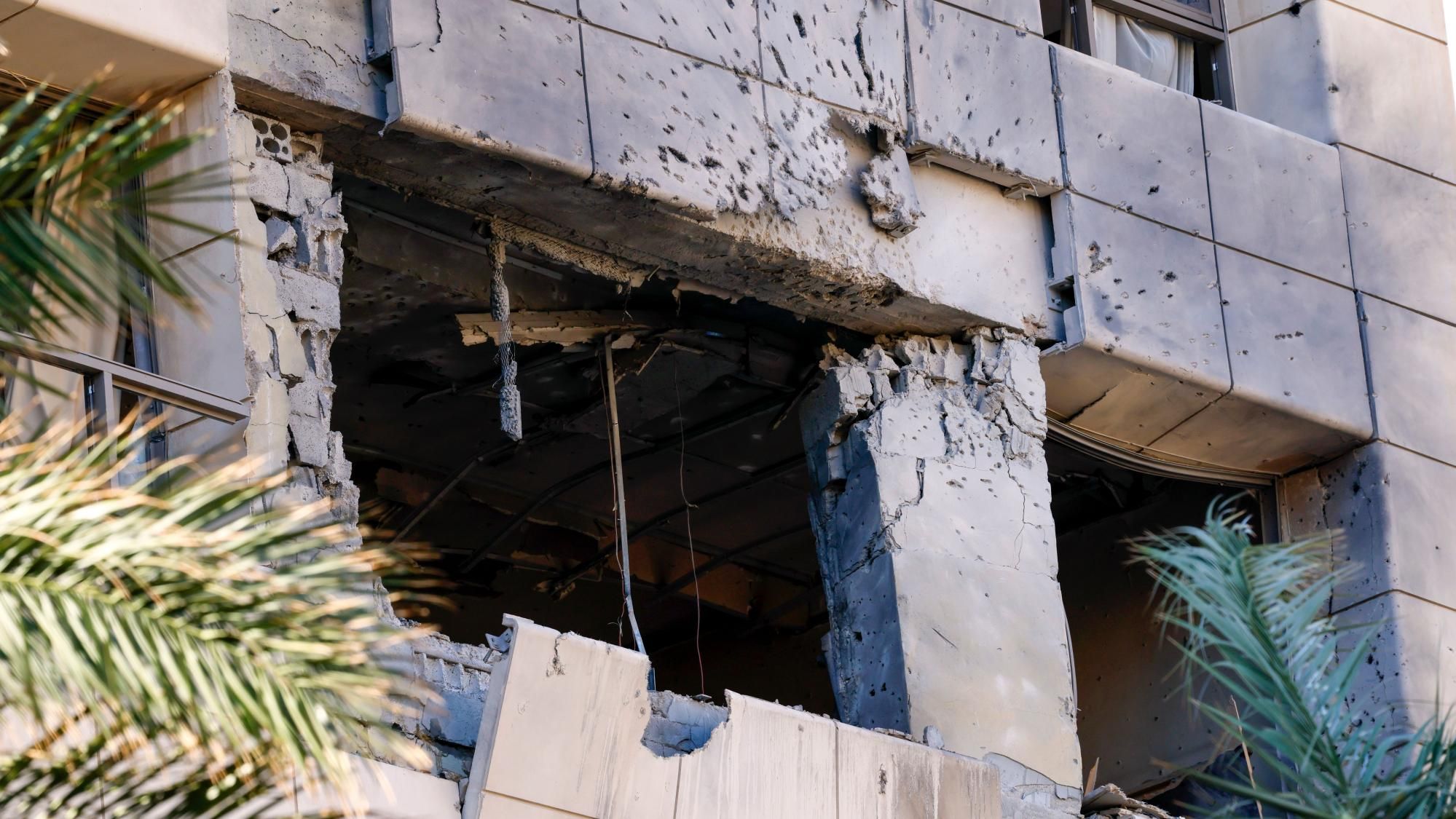
The Lebanese capital of Beirut is reeling from a devastating Israeli strike on a luxury hotel, which has killed several high-ranking Iranian officials and left a trail of destruction in its wake. Eyewitnesses describe the scene as chaotic, with multiple explosions and fires reported in the vicinity of the hotel.
Israeli Military Confirmation
The Israeli military has confirmed the strike, stating that it was a targeted operation aimed at disrupting Iran's military activities in the region. However, the exact number of casualties is still unclear, with reports suggesting that the Iranian officials were conducting high-level meetings at the hotel at the time of the strike.
Israeli officials have defended the operation, stating that it was necessary to prevent Iran from expanding its influence in the region. However, the strike has sparked widespread condemnation from the international community, with many calling for restraint and diplomacy.
Lebanese Government Response
The Lebanese government has condemned the strike, calling it a clear act of aggression that undermines the country's sovereignty and stability. The government has vowed to take measures to protect its citizens and prevent further escalation, but the extent of its response remains unclear.
Lebanese Prime Minister Najib Mikati has called an emergency meeting with his cabinet to discuss the crisis, with many officials expressing outrage and concern over the Israeli action. The Lebanese military has also been put on high alert, with troops deployed to key locations across the country.
Regional Implications
The Israeli strike has significant implications for the broader regional dynamics, with many countries weighing in on the crisis. Iran has vowed to retaliate against Israel, with its military commander, General Hossein Salami, threatening to unleash a "storm of wrath" against the Jewish state.
Meanwhile, the United States and other Western powers have called for calm and restraint, urging both Israel and Iran to avoid further escalation. The United Nations has also condemned the strike, calling on all parties to respect international law and avoid actions that could lead to a wider conflict.
The situation in Beirut remains volatile, with tensions running high and the risk of further escalation ever-present. As the international community grapples with the implications of the Israeli strike, one thing is clear: the conflict in Lebanon has reached a critical juncture, and the consequences of further action could be catastrophic.
The Israeli military has vowed to continue its operations against Iranian targets in the region, despite the international condemnation. However, the Lebanese government remains resolute in its determination to protect its sovereignty and prevent further escalation.
As the situation in Beirut continues to unfold, the world watches with bated breath, waiting to see how the conflict will play out and what the ultimate consequences will be. One thing is certain: the Israeli strike on the luxury hotel has marked a significant turning point in the ongoing conflict, and the region will never be the same again.
The international community is holding its breath, waiting to see how the crisis will be resolved. Will it be through diplomacy and negotiation, or will it escalate into a broader conflict? Only time will tell.
The world is watching as the situation in Beirut continues to unfold. The implications of the Israeli strike are far-reaching and have significant consequences for the region and the world at large.
The situation in Beirut is a stark reminder of the complexities and challenges of the Middle East and the need for diplomacy and restraint to prevent further escalation.