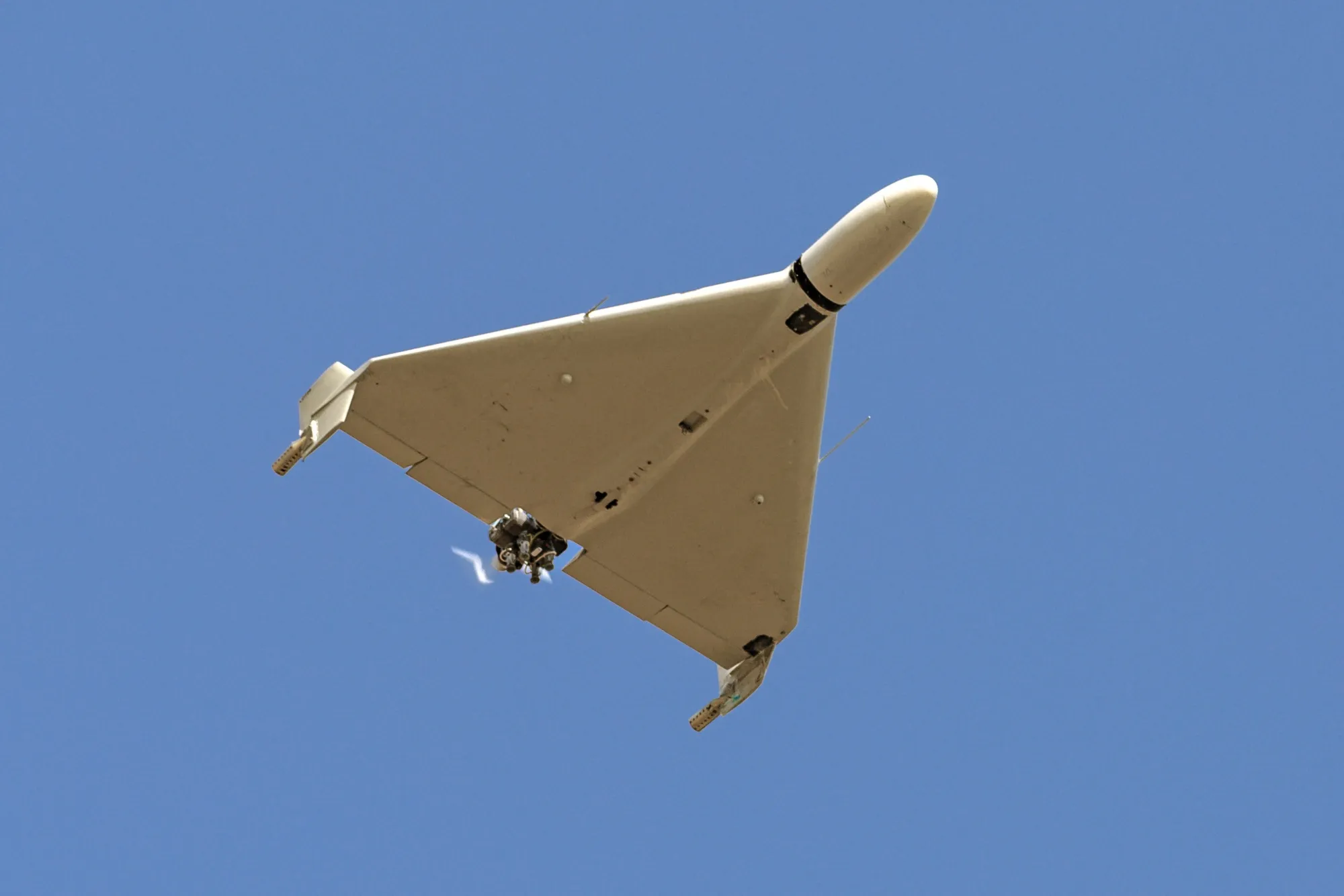
The Iranian military has been increasingly reliant on unmanned aerial vehicles (UAVs) or drones to conduct surveillance and attack missions in recent years. The latest wave of drones, which have been spotted in various parts of the Middle East, has raised questions about the sophistication and capabilities of these aircraft.
Technical Capabilities
According to experts, the Iranian drones possess a range of advanced features, including high-resolution cameras, GPS navigation, and the ability to carry small bombs or missiles. These capabilities have enabled the drones to conduct reconnaissance missions and even launch attacks on enemy targets with relative ease.
However, some analysts have also pointed out that the Iranian drones are relatively simple in design and construction, with limited maneuverability and a short range. This has led some to question whether the drones are truly sophisticated or simply a reflection of the country's limited resources.
Deployment and Tactics
The Iranian military has been using its drones in a variety of ways, including reconnaissance, surveillance, and attack missions. The drones have been spotted conducting reconnaissance over enemy territory, as well as launching attacks on enemy positions with small bombs or missiles.
Experts have noted that the Iranian military has been using its drones in a relatively low-key manner, often deploying them in small numbers and avoiding large-scale confrontations. This has led some to speculate that the drones are being used as a form of asymmetric warfare, designed to exploit the weaknesses of more conventional military forces.
International Response
The Iranian drone program has sparked a mixed response from the international community, with some countries expressing concern about the potential proliferation of advanced military technology. Other countries, including some of Iran's regional rivals, have seen the drones as a potential threat and have called for greater cooperation to counter the Iranian military's growing capabilities.
The United States has been particularly vocal in its criticism of the Iranian drone program, with officials expressing concern about the potential use of drones for surveillance and attack missions. The US has also called for greater transparency and cooperation from the Iranian military, in order to prevent the proliferation of advanced military technology.
As the Iranian drone program continues to evolve and expand, it remains to be seen whether these aircraft will represent a significant military advancement or a reflection of the country's limited resources. One thing is certain, however: the deployment of these drones has sparked a wider debate about the role of unmanned military technology in modern warfare.