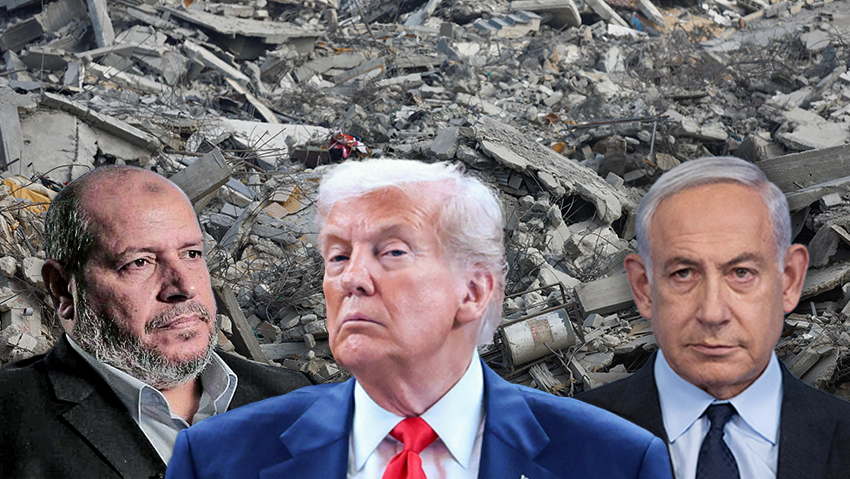
The Israeli military has set a deadline for Hamas to disarm, warning that the group's continued possession of arms poses an "unacceptable" security threat. The move follows weeks of escalating tensions between Israel and the Palestinians, with both sides trading blame for the deteriorating situation.
The Board of Peace, a government-led committee tasked with addressing the crisis, has given Hamas until the end of the month to comply with the disarmament demand. If the group fails to meet the deadline, the IDF has threatened to take "firm and decisive" action, sparking concerns about a potential military conflict.
Background to the Crisis
The latest developments mark a significant escalation in the long-running Israeli-Palestinian conflict. Tensions have been simmering for months, with periodic outbreaks of violence and a steady increase in rocket fire from Gaza into Israeli territory.
The Israeli government has repeatedly called for Hamas to disarm and recognize Israel's right to exist, but the group has refused to comply. Instead, Hamas has vowed to continue resisting Israeli occupation and to defend Palestinian rights.
International efforts to broker a peace deal have stalled, with the United States and other key players struggling to find common ground between the two sides.
Consequences of Non-Compliance
The consequences of Hamas's non-compliance with the disarmament demand are unclear, but the IDF has warned of "severe" repercussions. Israel has a long history of military action against Hamas, with previous operations resulting in significant damage to Gaza's civilian infrastructure.
Civilian casualties have also been a major concern, with estimates suggesting that hundreds of Palestinian civilians have been killed or injured in recent conflicts. The international community has repeatedly called for restraint and a respect for human rights.
The humanitarian situation in Gaza remains dire, with widespread poverty, unemployment, and a lack of access to basic services. A military conflict would only exacerbate the crisis, with potentially devastating consequences for the already-vulnerable population.
International Response
The international community has been watching the developments with growing concern. World leaders have called for restraint and a return to negotiations, but progress has been slow.
The United States has long been a key player in the peace process, but its role has been diminished in recent years by the Israeli government's refusal to accept US demands for concessions. Europe and other key players have stepped into the breach, but a united front remains elusive.
The UN has repeatedly called for a ceasefire and a return to negotiations, but its efforts have been met with resistance from both sides. The international community must now find a way to break the deadlock and bring the parties back to the negotiating table.
The consequences of failure are clear: a military conflict with potentially disastrous consequences for the people of Gaza and Israel. The international community must act decisively to prevent this outcome and to find a peaceful solution to the crisis.
Conclusion
The Israeli-Palestinian crisis remains a deeply complex and intractable issue, with no easy solutions in sight. The IDF's deadline for Hamas to disarm marks a significant escalation in tensions, and the consequences of non-compliance are unclear.
The international community must now find a way to break the deadlock and bring the parties back to the negotiating table. A military conflict would have devastating consequences for the people of Gaza and Israel, and would undermine the already-fragile peace process.
The world is watching with growing concern, and the need for restraint and diplomacy has never been more pressing.