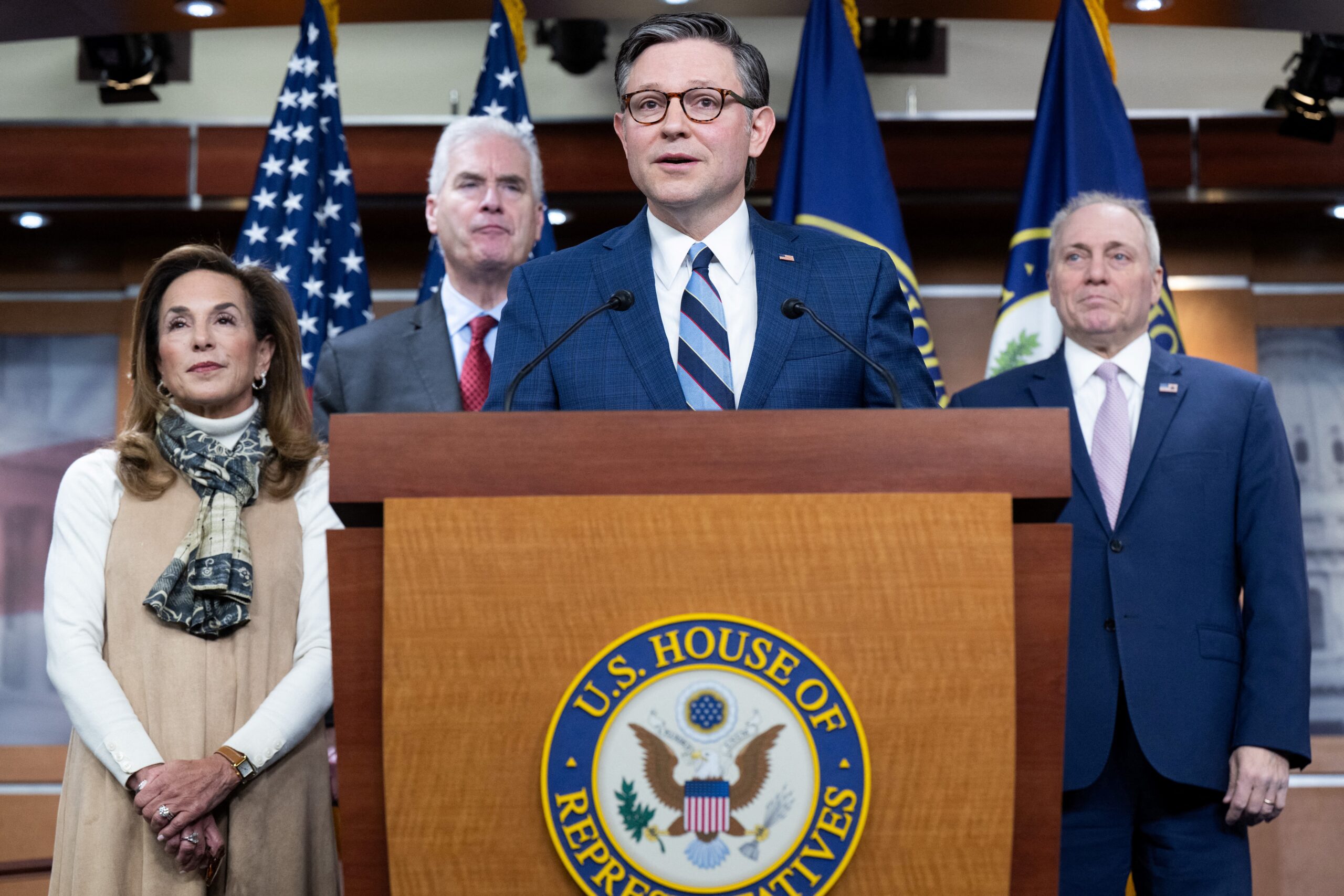
The bill, which has been dubbed the "National Voter Integrity Act," would require voters to provide proof of citizenship and a valid government-issued photo ID in order to cast their ballots. The measure is seen as a significant expansion of existing voter ID laws, which vary from state to state, and would effectively establish a uniform national standard.
Key Provisions of the Bill
The National Voter Integrity Act would require voters to provide one of the following forms of identification:
- U.S. passport
- Driver's license
- State-issued ID card
- U.S. military ID
Voters would also be required to provide proof of citizenship, which could take the form of a birth certificate, naturalization certificate, or passport.
Controversy and Criticism
The introduction of the National Voter Integrity Act has been met with fierce resistance from Democrats, voting rights advocates, and civil liberties groups. Critics argue that the bill is a thinly veiled attempt to suppress minority and low-income voting blocs, who are more likely to lack the necessary identification documents.
According to a recent study, millions of eligible voters lack the necessary identification documents to cast their ballots, including 25% of African Americans and 20% of Hispanics.
Supporters of the Bill
Supporters of the National Voter Integrity Act argue that the bill is necessary to combat voter fraud and ensure the integrity of the electoral process. They point to instances of voter fraud in various states as evidence of the need for stricter identification requirements.
However, opponents of the bill argue that voter fraud is extremely rare and that the measure is an unnecessary and discriminatory attempt to suppress voting rights.
In response to the controversy surrounding the bill, Republican lawmakers have maintained that the measure is aimed at ensuring the integrity of the electoral process and preventing voter fraud.
However, critics remain unconvinced, arguing that the bill is a thinly veiled attempt to suppress minority and low-income voting blocs.