Apple's journey began in the 1970s when three individuals came together to create a company that would revolutionize the way people interact with technology. The first Apple computer, the Apple I, was designed and hand-built by Steve Wozniak in 1976. This was followed by the Apple II, one of the first highly successful mass-produced personal computers.
A Decade of Innovation
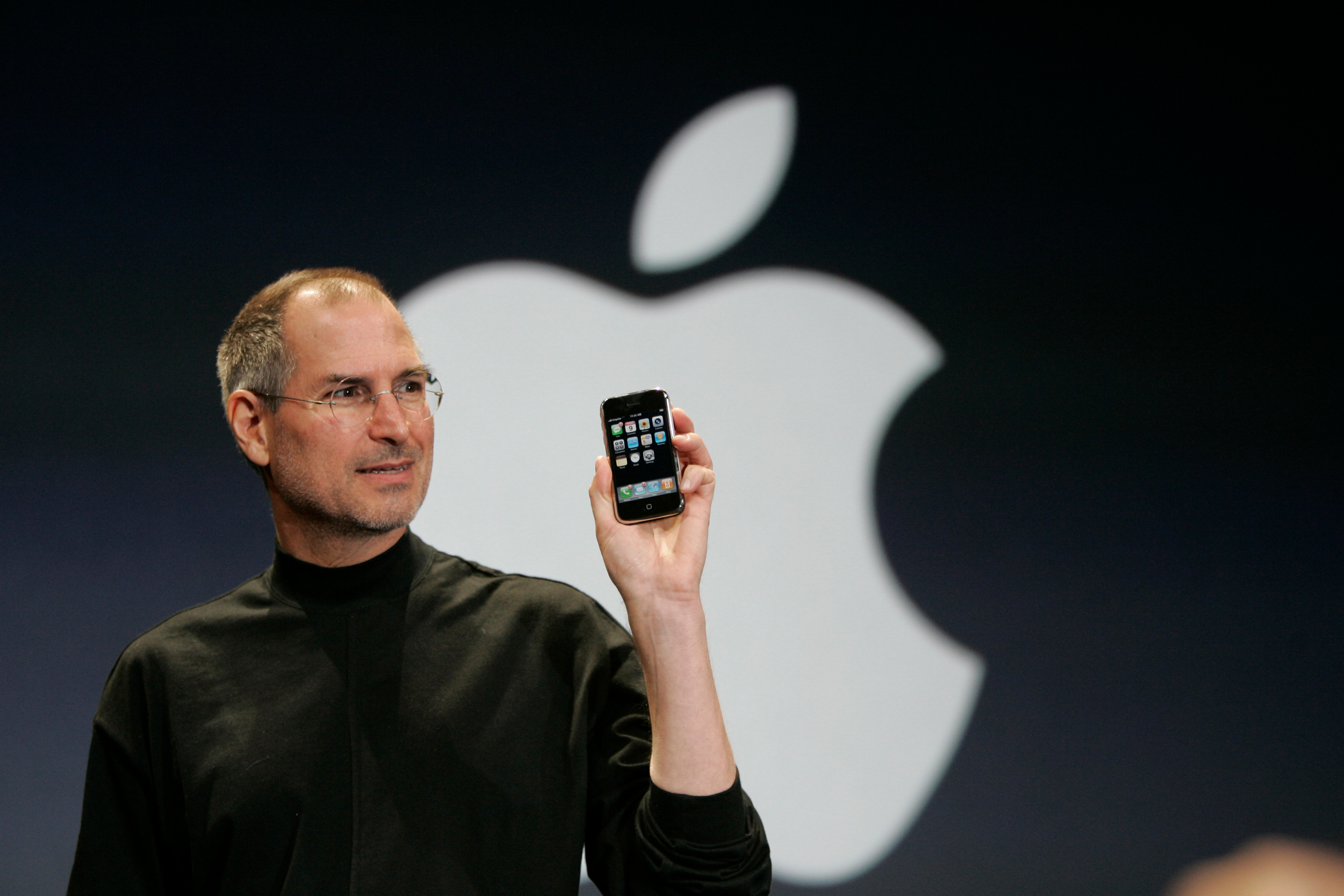
The 1980s saw the introduction of the Macintosh computer, which was the first commercially successful computer to use a graphical user interface. This innovation marked a significant shift in the way people interacted with technology. Apple continued to push the boundaries of innovation with the introduction of the iPod in 2001, the iPhone in 2007, and the iPad in 2010.
The iPod, in particular, had a profound impact on the music industry, revolutionizing the way people listened to music on the go. The iPhone, on the other hand, transformed the smartphone industry and changed the way people communicate, access information, and navigate their daily lives.
Global Expansion and Diversification
Under the leadership of Tim Cook, who took over as CEO in 2011, Apple continued to expand its global presence and diversify its product lineup. The company has established a strong presence in China, India, and other emerging markets, and has made significant investments in emerging technologies such as artificial intelligence and augmented reality.
Apple has also made significant strides in the field of sustainability, with a focus on reducing its carbon footprint and promoting environmentally friendly practices throughout its supply chain. The company has set ambitious targets to power 100% of its facilities with renewable energy and has made significant investments in solar energy and other clean technologies.
A Look to the Future
As Apple celebrates its 50th anniversary, the company is looking to the future with a focus on emerging technologies and innovative products. The company has made significant investments in areas such as augmented reality, artificial intelligence, and health technology, and is expected to continue to push the boundaries of innovation in the years to come.
Apple has also made significant strides in the field of education, with its efforts to provide coding education and career development opportunities to underrepresented communities. The company has also made significant investments in the field of accessibility, with a focus on creating products and services that are inclusive and accessible to people of all abilities.
In conclusion, Apple's 50th anniversary marks a significant milestone in the company's journey from a scrappy startup to a tech giant. The company's commitment to innovation, sustainability, and social responsibility has made it one of the most influential and successful companies in the world. As Apple looks to the future, it is clear that the company will continue to play a major role in shaping the world of technology and beyond.