The Cambrian period, which spans from approximately 541 to 485 million years ago, has long been considered a pivotal moment in animal evolution. During this time, many animal groups are thought to have emerged and diversified, laying the foundation for the vast array of species that exist today. However, a recent discovery in China has shed new light on the evolution of life on Earth, challenging the traditional understanding of the Cambrian period.
Groundbreaking Fossil Discovery in China
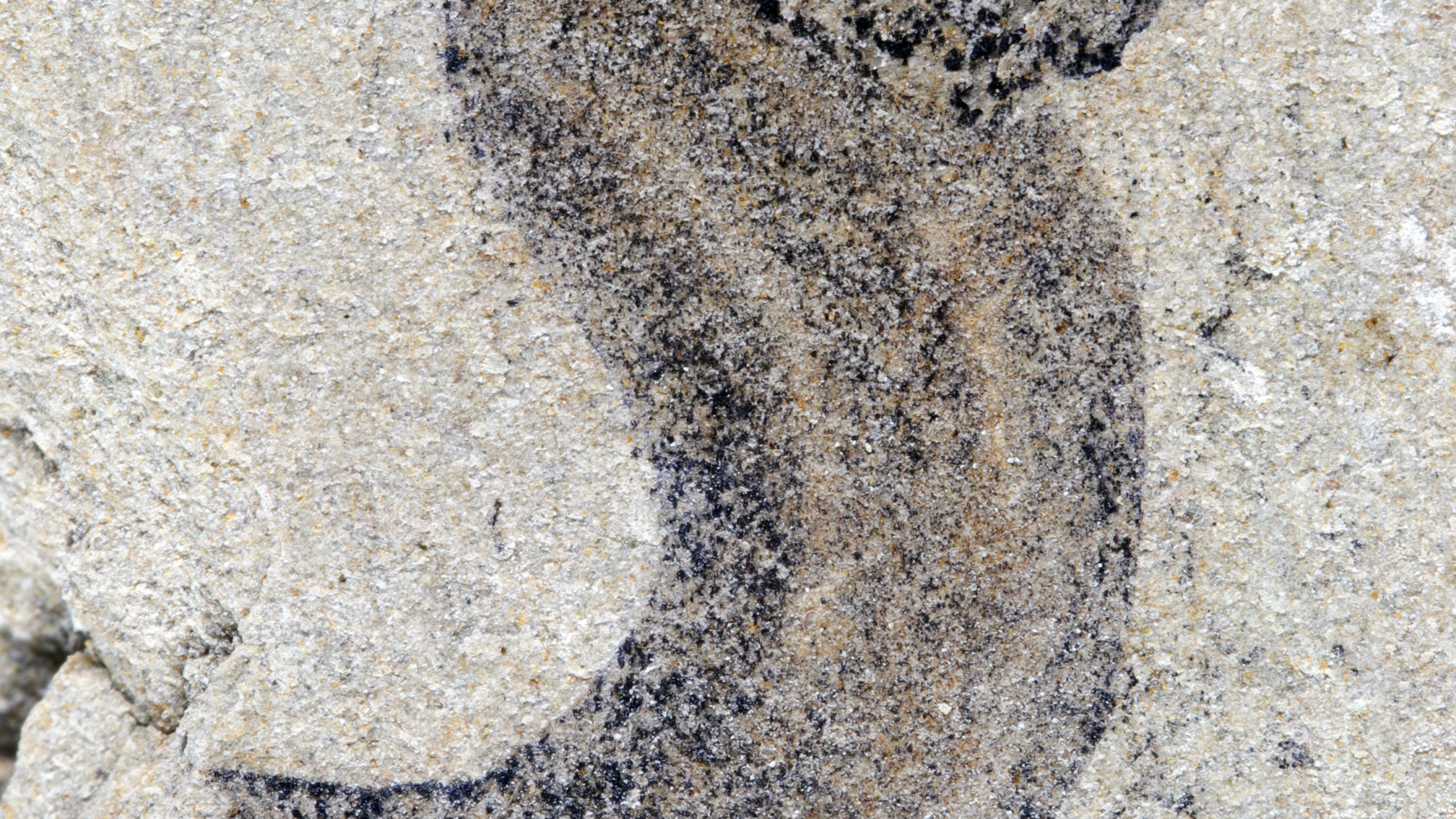
Researchers from the Chinese Academy of Sciences, in collaboration with international colleagues, have made a groundbreaking discovery in the Yunnan Province of China. The team has uncovered a series of fossil deposits dating back to the Ediacaran period, approximately 580-541 million years ago. These fossils, which include complex animal-like structures, provide significant evidence that animal groups may have emerged and evolved earlier than previously thought.
The discovery was made possible by advances in fossil preservation techniques, which have allowed researchers to extract detailed information from the ancient rocks. The fossil deposits, which include a range of animal-like structures, suggest that these early animals may have been more complex and diverse than previously believed.
Implications for Animal Evolution
The implications of this discovery are far-reaching, challenging the widely accepted theory of animal evolution. The traditional understanding of the Cambrian period, which emerged in the 19th century, suggests that this was a time of rapid evolution and diversification of animal groups. However, the new evidence suggests that this process may have begun earlier, with complex animal-like structures emerging during the Ediacaran period.
This finding has significant implications for our understanding of animal evolution and the history of life on Earth. It suggests that the emergence and diversification of animal groups may have been a more complex and nuanced process than previously thought, with multiple phases of evolution occurring over millions of years.
Revisiting the Timeline of Animal Evolution
As researchers continue to study the fossil deposits, they are re-examining the timeline of animal evolution. The new evidence suggests that the Ediacaran period may have played a more significant role in the emergence of complex animal groups than previously believed. This finding has significant implications for our understanding of the evolution of life on Earth, highlighting the need for a more nuanced and complex understanding of this process.
The discovery also raises important questions about the evolution of animal groups and the mechanisms that drove this process. Researchers are now working to better understand the conditions under which these early animals evolved, and how they may have interacted with their environments.
The discovery of complex animal groups predating the Cambrian period is a significant milestone in the study of animal evolution. As researchers continue to study the fossil deposits, they are gaining a deeper understanding of the history of life on Earth, highlighting the complexity and nuance of this process.