The Thailand-Cambodia border conflict has been a longstanding issue, with frequent clashes between the two countries over disputes about territory and resources. The situation took a turn for the worse in recent days, with reports emerging of heavy fighting and artillery exchanges between the two sides. Despite claims of a ceasefire by the US, the conflict shows no signs of abating.
Recent Developments
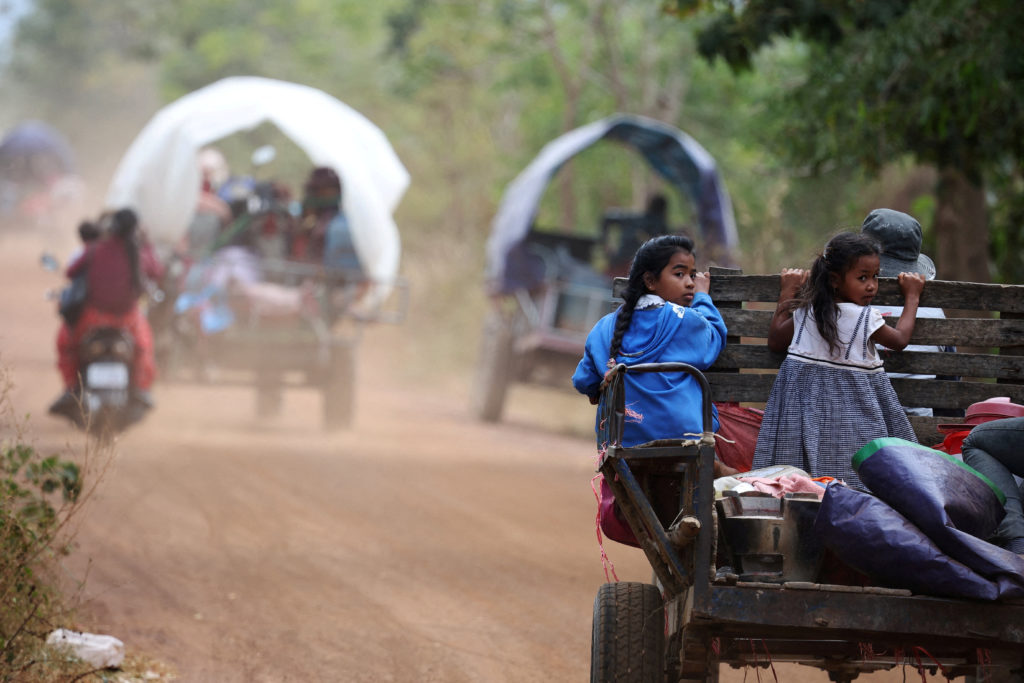
According to eyewitnesses and local officials, the fighting has been intense and widespread, with reports of civilian casualties and displacement. The conflict has also raised concerns about the potential for a wider regional conflict, given the strategic importance of the area. The Thai military has been accused of using heavy artillery and airstrikes against Cambodian positions, leading to widespread destruction and chaos.
Meanwhile, the Cambodian military has retaliated with its own artillery strikes and ground attacks, leading to a cycle of violence that shows no signs of ending. The situation has been exacerbated by the presence of proxy forces and militias on both sides, which have contributed to the escalating violence.
International Reactions
International efforts to broker a ceasefire and end the conflict have been underway for weeks, but so far, they have yielded little progress. The US, which had earlier claimed a ceasefire, has been criticized for its perceived inaction and lack of commitment to resolving the conflict. Other international actors, including the European Union and ASEAN, have also called for an immediate end to the fighting and a return to negotiations.
However, the situation remains complex and deeply entrenched, with both sides dug in and refusing to budge. The conflict has also raised concerns about the potential for a wider regional conflict, given the strategic importance of the area and the presence of proxy forces and militias.
Economic and Humanitarian Consequences
The conflict has had significant economic and humanitarian consequences, with widespread destruction and displacement reported in both countries. The Thai economy has been particularly hard hit, with estimates suggesting that the conflict has already cost the country billions of dollars in lost trade and investment. The humanitarian situation is equally dire, with reports of civilian casualties and displacement.
The conflict has also had a significant impact on regional stability and security, with the potential for a wider regional conflict hanging over the area. The situation remains volatile and unpredictable, with the potential for further escalation and conflict.
In conclusion, the fighting continues to rage on the Thailand-Cambodia border, despite claims of a ceasefire by the US. The conflict has had significant economic and humanitarian consequences, and international efforts to broker a lasting peace remain elusive. A return to negotiations and a commitment to peaceful resolution are urgently needed to prevent further escalation and conflict.