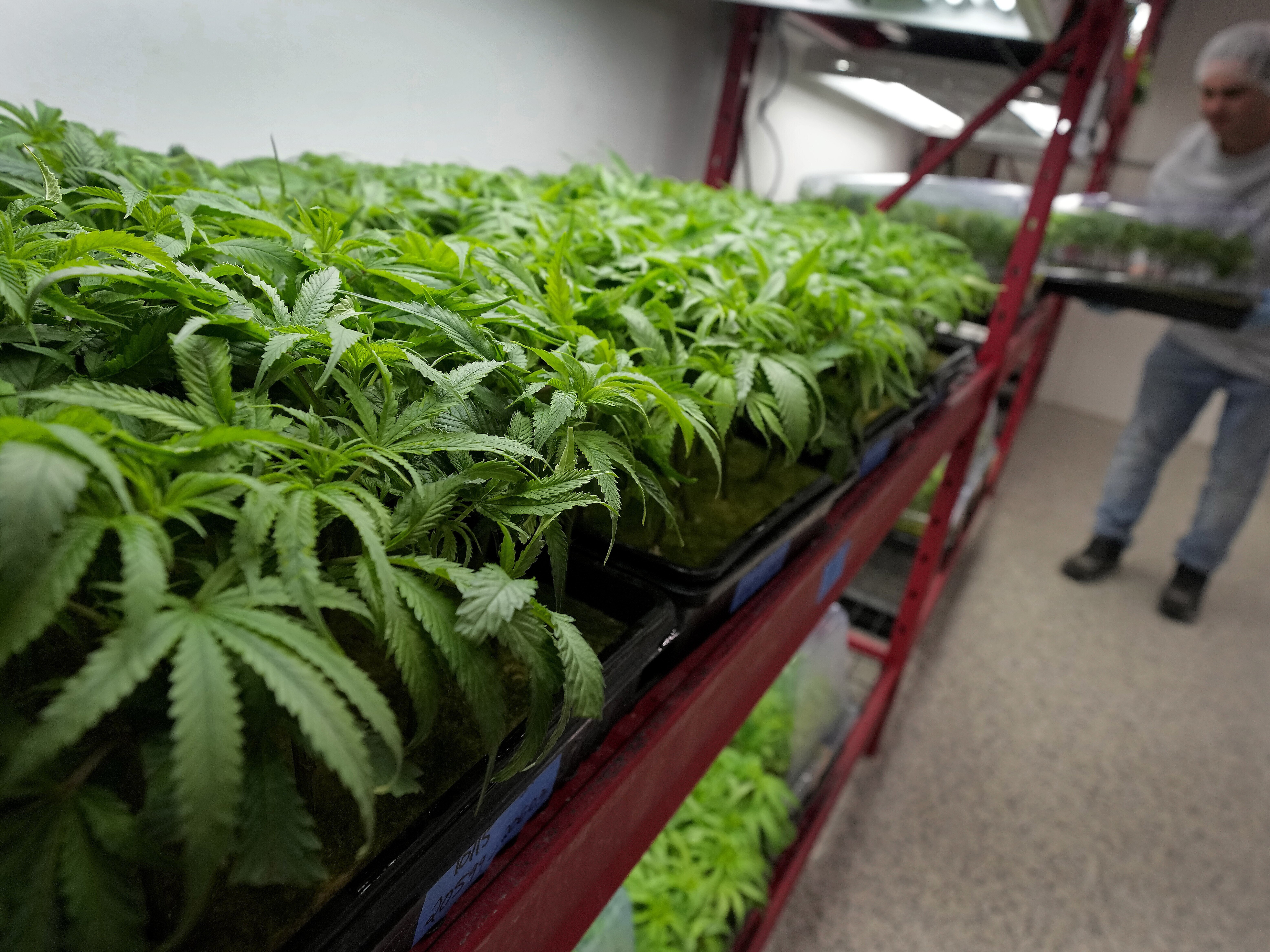
The long-awaited change in the nation's approach to marijuana has finally arrived, with the US federal government rescheduling the substance under the Controlled Substances Act. This decision marks a significant shift in the country's stance on the substance, which has been a point of contention for decades.
Immediate Changes in the Industry
The rescheduling of marijuana has already led to some immediate changes in the industry. Companies that have been working towards FDA approval for their cannabis-based products are now able to proceed with their plans without fear of federal interference. This has led to a surge in investment in the sector, with many companies announcing plans to expand their operations.
Additionally, the rescheduling has also led to a decrease in the number of arrests related to marijuana possession. This is a welcome change for many advocates of marijuana reform, who have long argued that the substance should be treated as a matter of public health rather than a crime.
Regulatory Frameworks and Future Hopes
While the immediate changes brought about by the rescheduling of marijuana are significant, the long-term implications of the decision are still unclear. The federal government has established a framework for the regulation of marijuana, but the details of this framework are still being worked out. Many in the industry are hoping that the government will take a more permissive approach to the substance, allowing for greater flexibility in its use and sale.
One area where the government is expected to take a more hands-off approach is in the production and sale of CBD products. CBD, or cannabidiol, is a non-psychoactive compound found in the cannabis plant that has been shown to have a range of health benefits. The rescheduling of marijuana has opened the door for CBD products to be sold across state lines, which is expected to lead to a surge in their popularity.
Public Health and Safety Concerns Continue to be a Priority
While the rescheduling of marijuana has been met with widespread celebration, there are still many public health and safety concerns that need to be addressed. The federal government has established guidelines for the regulation of marijuana, including requirements for testing and labeling. However, many in the industry are concerned that these guidelines may not go far enough to ensure the safety of consumers.
Additionally, there are also concerns about the impact of marijuana on public health, particularly among young people. While many advocates of marijuana reform argue that the substance is safe when used responsibly, there is still a lack of research on its long-term effects. The federal government has established a series of studies to investigate the health impacts of marijuana, but the results of these studies are still several years away.
Overall, the rescheduling of marijuana marks a significant shift in the nation's approach to the substance. While the immediate changes brought about by this decision are significant, the long-term implications of the decision are still unclear. As the industry continues to evolve, it is likely that we will see many changes in the months and years to come.