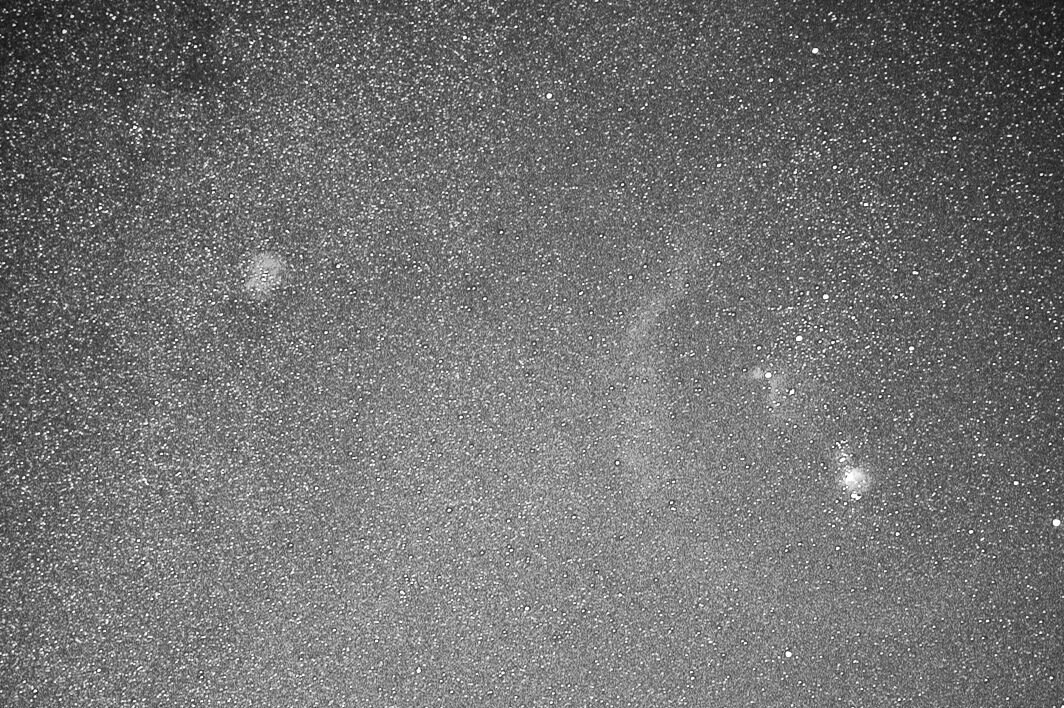
As the winter months set in, the night sky transforms into a breathtaking canvas of stars, planets, and galaxies. For astronomy enthusiasts, February is a particularly exciting time, with multiple celestial events taking place throughout the month. From the launch of a new rocket to the appearance of winter constellations, there's something for everyone to enjoy.
Astronomical Events in February
The month begins with the launch of a Falcon 9 rocket from SpaceX, carrying a payload of satellites into orbit. This event is a testament to the growing importance of private space exploration and the role it plays in expanding our understanding of the universe. The launch is expected to take place on February 1, and space enthusiasts can catch the live broadcast on various online platforms.
On February 5, the winter constellations will begin to shine brightly in the night sky. The majestic Andromeda Galaxy, the closest major galaxy to our own Milky Way, will be visible to the naked eye, offering a glimpse into the vast expanse of the universe. The Orion Nebula, one of the most stunning celestial objects in the night sky, will also be visible, showcasing the beauty and complexity of star formation.
Winter Constellations and Lunar Eclipse
As the month progresses, the winter constellations will continue to put on a show, with the majestic Cassiopeia and the regal Cepheus gracing the night sky. The constellation of Orion, with its iconic belt and sword, will also be a prominent feature, offering a glimpse into the mythology and history of astronomy.
One of the most anticipated events of the month will be the rare lunar eclipse, which will take place on February 18. This event, also known as a penumbral lunar eclipse, will see the moon pass through the Earth's penumbra, causing a subtle darkening of the moon's surface. While not as dramatic as a total lunar eclipse, this event is still a rare and awe-inspiring sight, offering a glimpse into the complex interactions between the Earth, moon, and sun.
Stargazing Tips and Resources
For those looking to make the most of February's celestial events, there are several stargazing tips and resources available. The National Aeronautics and Space Administration (NASA) offers a range of online resources and guides, including stargazing apps and printable star charts. The American Meteorological Society (AMS) also offers a range of resources and tips for stargazers, including information on astronomy events and viewing conditions.
Additionally, there are several stargazing events and festivals taking place throughout the month, offering a chance to connect with fellow astronomy enthusiasts and learn more about the night sky. The annual Winter Star Party, held in Florida, is one such event, offering a weekend of stargazing, talks, and workshops.
Whether you're a seasoned astronomer or just starting to explore the night sky, February offers a range of celestial events and experiences that are not to be missed. So grab your binoculars, find a dark spot, and get ready to marvel at the wonders of the universe.