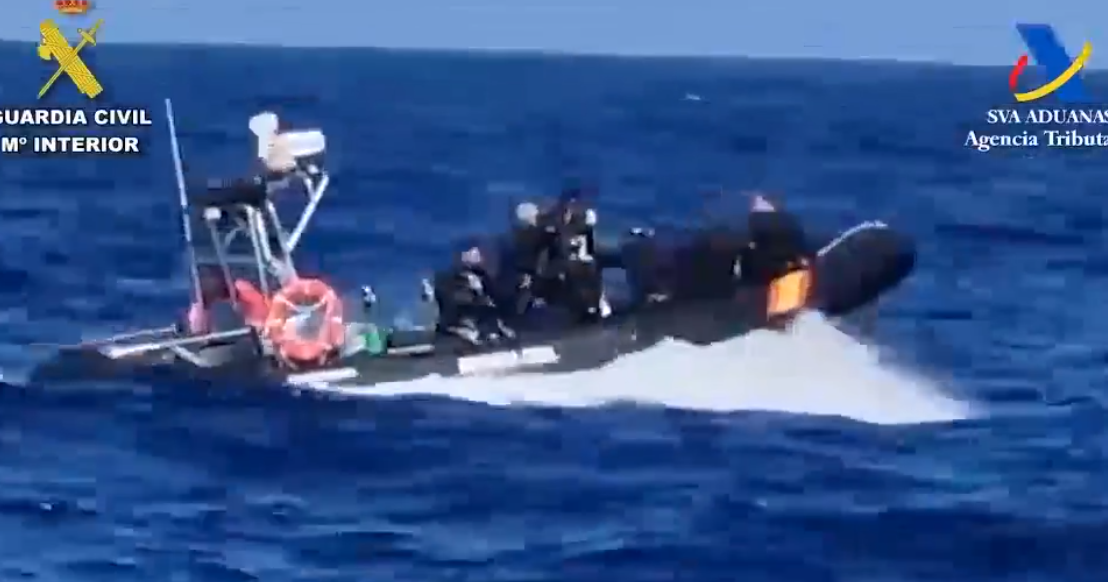
Spanish law enforcement agencies, in collaboration with international partners, have brought down a sophisticated cocaine trafficking network that relied on an unconventional tactic: employing young swimmers to conceal the illicit substance on ships. This cunning method, dubbed the "monkey" technique, leveraged the swimmers' agility to evade detection by port authorities.
Arrests and Seizures
The operation, code-named "Monkey Business," involved multiple arrests and the seizure of substantial quantities of cocaine. According to reports, several suspects were apprehended in various ports across Spain, including Barcelona, Valencia, and Alicante. The suspects, believed to be part of a large organized crime group, are being held under investigation for their involvement in the trafficking operation.
During the raids, authorities discovered hidden compartments and secret stashes of cocaine on several ships. The swimmers, allegedly recruited by the crime group, would swim alongside vessels and attach small packages containing the illicit substance to the ship's hull or anchors. The packages, designed to resemble fishing gear or other innocuous items, would then be retrieved by accomplices on land.
International Cooperation
The success of the "Monkey Business" operation is a testament to the effectiveness of international cooperation in combating transnational crime. Spanish police worked closely with agencies from Portugal, France, and the United Kingdom to identify and dismantle the trafficking network. The operation highlights the need for continued collaboration and information-sharing between law enforcement agencies to disrupt and dismantle organized crime groups.
The "monkey" technique, while innovative, is not a new tactic in the world of cocaine trafficking. However, its use in Spain's busy ports and shipping lanes has raised concerns about the country's vulnerability to such operations. As authorities continue to investigate and dismantle the trafficking network, the incident serves as a reminder of the evolving nature of organized crime and the need for adaptable law enforcement strategies.
Challenges Ahead
The "Monkey Business" operation has shed light on the complex challenges facing law enforcement agencies in the fight against cocaine trafficking. As the crime group's use of young swimmers demonstrates, traffickers are constantly seeking new and creative ways to evade detection. Authorities must remain vigilant and adapt their tactics to stay ahead of these evolving threats.
The success of the operation also underscores the importance of intelligence-led policing and international cooperation. By sharing information and best practices, law enforcement agencies can more effectively disrupt and dismantle organized crime groups, ultimately reducing the flow of illicit substances into communities.
In the wake of the "Monkey Business" operation, Spanish authorities are reviewing their security protocols and procedures to prevent similar tactics from being employed in the future. As the investigation continues, the incident serves as a reminder of the ongoing cat-and-mouse game between law enforcement and organized crime groups.
The "monkey" technique may have been foiled, but the challenges ahead for law enforcement agencies are clear: staying one step ahead of traffickers and adapting to their evolving tactics in the ongoing fight against cocaine trafficking.
As the investigation into the "Monkey Business" operation continues, authorities are working to dismantle the remaining components of the trafficking network and bring those responsible to justice.