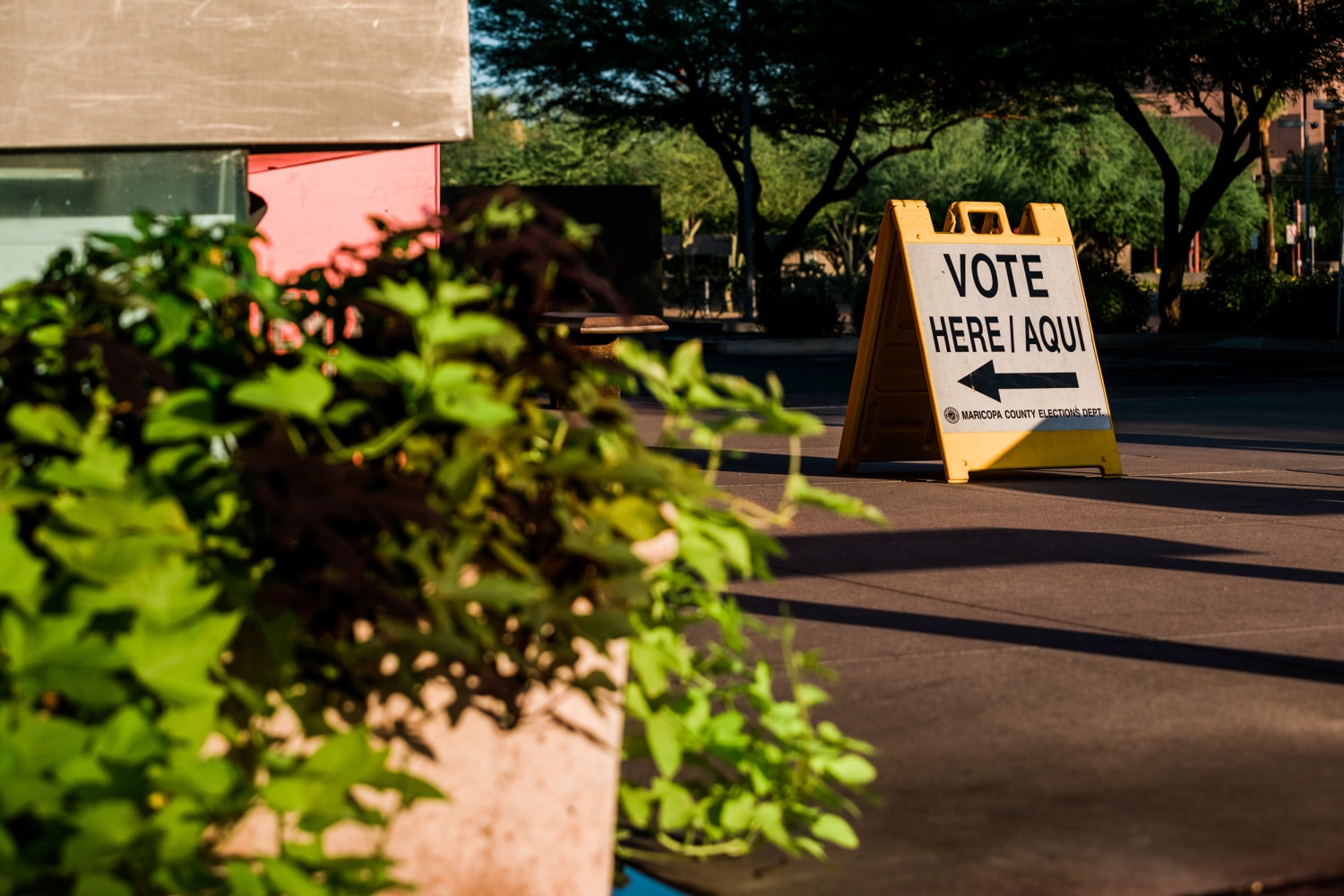
A statement from the Department of Homeland Security (DHS) has provided much-needed relief to state election officials, who had expressed concerns about the potential presence of Immigration and Customs Enforcement (ICE) agents at polling places. According to a report by NBC News, the official, who remains unnamed, assured state election chiefs that ICE will not be deployed to monitor or intimidate voters at polling stations.
Background on ICE Presence at Polling Places
The controversy surrounding ICE's potential presence at polling places stems from concerns that voters, particularly those in minority communities, may feel intimidated or coerced by the presence of law enforcement agents. State election officials had expressed concerns that this could lead to decreased voter turnout and undermine the integrity of the electoral process.
ICE officials had initially claimed that their presence at polling places was necessary to prevent voter fraud and ensure public safety. However, many experts and advocates disputed this claim, arguing that voter intimidation was a more pressing concern.
Reassurance from DHS Official
The DHS official's statement marks a significant shift in the agency's stance on ICE's role at polling places. The official emphasized that the primary goal of the elections is to ensure the safety and security of all voters, and that ICE's presence would not be necessary to achieve this goal.
The official also noted that the DHS has a long-standing policy of not deploying law enforcement agents to polling places, and that this policy remains in place.
Next Steps and Implications
The reassurance from the DHS official is likely to be welcomed by state election officials and voting rights advocates. However, some critics have argued that the issue is not entirely resolved, and that more concrete measures are needed to prevent voter intimidation and ensure the integrity of the electoral process.
The controversy surrounding ICE's presence at polling places highlights the ongoing debate over immigration policies and their impact on the electoral process. As the elections approach, state officials and voting rights advocates will be closely monitoring the situation to ensure that voters are able to exercise their right to vote without fear of intimidation or coercion.
The DHS official's statement is a crucial step in addressing the concerns of state election officials and ensuring a smooth voting process. As the elections unfold, it will be essential to continue monitoring the situation and addressing any potential issues that may arise.
While the reassurance from the DHS official is welcome news, it is essential to recognize that the issue of voter intimidation and electoral integrity is complex and multifaceted. Ongoing efforts are needed to address these concerns and ensure that all voters can participate in the electoral process without fear of intimidation or coercion.
The controversy surrounding ICE's presence at polling places serves as a reminder of the ongoing debate over immigration policies and their impact on the electoral process. As the elections approach, it is crucial to prioritize voter education, outreach, and protection to ensure that all voters can exercise their right to vote without fear of intimidation or coercion.
In conclusion, the reassurance from the DHS official marks an important step in addressing the concerns of state election officials and ensuring a smooth voting process. Ongoing efforts are needed to address the complex issues surrounding voter intimidation and electoral integrity, but this development provides much-needed relief to those working to protect the rights of voters.
As the elections unfold, it is essential to remain vigilant and address any potential issues that may arise. By prioritizing voter education, outreach, and protection, we can work towards ensuring that all voters can participate in the electoral process without fear of intimidation or coercion.
The controversy surrounding ICE's presence at polling places highlights the ongoing need for dialogue and collaboration between state officials, voting rights advocates, and law enforcement agencies. By working together, we can address the complex issues surrounding voter intimidation and electoral integrity and ensure a smooth and secure voting process.