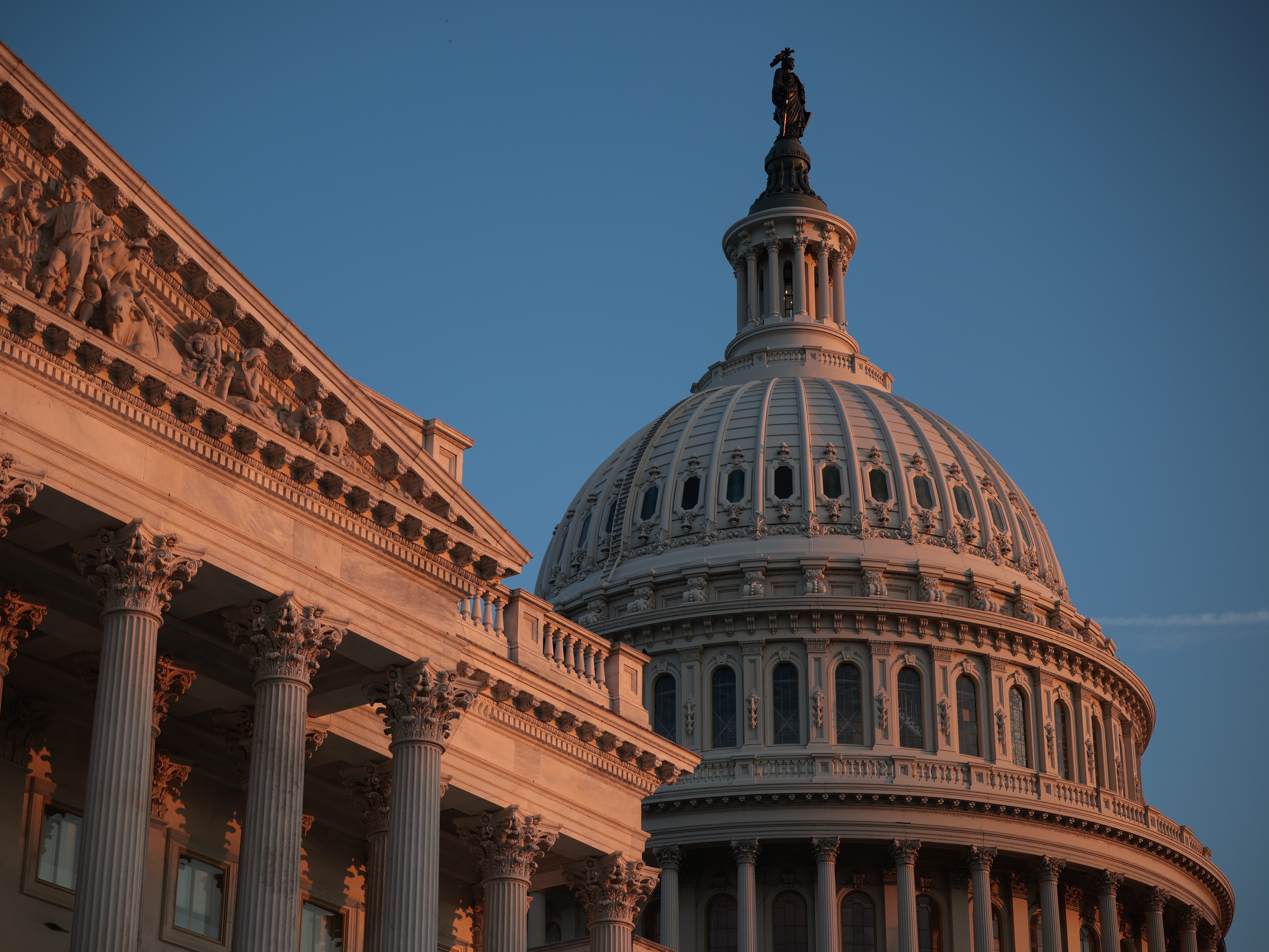
The US House of Representatives is meant to be a representative body, with each member serving a diverse constituency. However, a recent report by NPR has revealed that the majority of House seats are not competitive, with the incumbent often running unopposed. This trend has significant implications for the democratic process and has led to increased polarization in the US Congress.
Redistricting and Gerrymandering Contributing Factors
Redistricting, the process of redrawing electoral district boundaries, has been a major contributing factor to the lack of competitiveness in House seats. Gerrymandering, the deliberate manipulation of district boundaries to favor one party over another, has been a common practice in many states. This has resulted in the creation of "safe seats" where the incumbent is all but guaranteed to win.
According to the NPR report, nearly 60% of House districts are considered "safe" for the incumbent party, with many more being considered "likely" or "solidly" Republican or Democratic. This lack of competition has led to decreased voter turnout and a lack of interest in the democratic process.
Lack of Competition and Its Implications
The lack of competition in House seats has significant implications for the democratic process. Without a competitive election, there is little incentive for incumbents to engage with their constituents or to take bold action on policy. This has led to a lack of accountability and a sense of complacency among elected officials.
The lack of competition has also led to increased polarization in the US Congress. Without a need to appeal to moderate voters, politicians are free to take more extreme positions, leading to a widening of the partisan divide. This has made it increasingly difficult to pass legislation and has led to a sense of gridlock in Washington.
What Can Be Done to Increase Competition?
So, what can be done to increase competition in House seats and to promote a healthier democratic process? One possible solution is to reform the redistricting process to make it more transparent and less partisan. This could involve the use of independent redistricting commissions or the implementation of non-partisan redistricting criteria.
Another possible solution is to increase voter turnout and engagement in elections. This could involve initiatives such as automatic voter registration, early voting, and mail-in ballot programs. By making it easier for voters to participate in the democratic process, we can increase the likelihood of competitive elections and a more representative government.
In conclusion, the lack of competition in House seats is a significant issue that has significant implications for the democratic process. By understanding the causes of this trend and working to increase competition and voter engagement, we can promote a healthier and more representative government.
It is time for policymakers to take action and to implement reforms that will increase competition in House seats and promote a more vibrant democratic process.
Only by working together can we create a more representative and accountable government that truly serves the people.