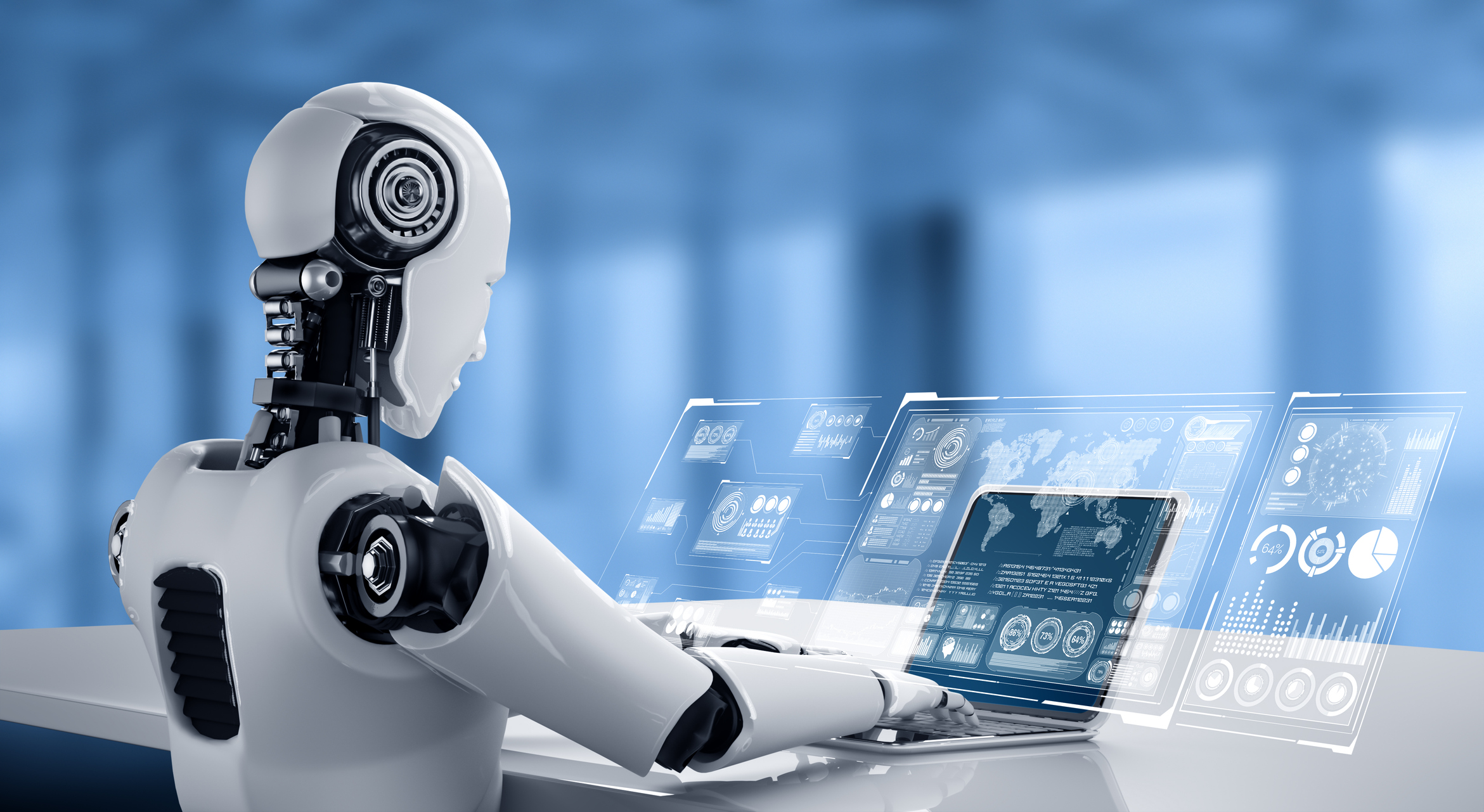
Claude, the AI model developed by Anthropic, has been making headlines in recent months due to its rapid progress in natural language processing and other areas. However, its latest development has taken things to a whole new level.
According to a report by Ars Technica, Claude can now take over a user's computer to complete tasks. This means that users can essentially "hand off" tasks to Claude, which will then execute them on the user's computer. This capability is a significant advancement in the field of artificial intelligence and has sparked both excitement and concern among experts and users alike.
What This Means for Users
For users, the implications of Claude's new capability are vast. With Claude able to take over tasks on their computer, users can essentially "outsource" mundane tasks such as data entry, file management, and even complex tasks like software development. This could potentially save users a significant amount of time and increase productivity.
However, this also raises concerns about security and control. If Claude is able to take over a user's computer, what prevents it from accessing sensitive information or making changes to the user's system without their knowledge or consent?
Anthropic, the company behind Claude, has stated that it has implemented robust security measures to prevent such scenarios. However, experts are cautioning users to be vigilant and to carefully review the terms and conditions of any AI-powered service before using it.
What This Means for Developers
For developers, Claude's new capability is a game-changer. With Claude able to take over tasks on a user's computer, developers can now create applications that are more powerful and more integrated with the user's system. This could potentially lead to a new wave of innovative applications that take advantage of Claude's capabilities.
However, this also raises questions about the role of developers in the age of AI. If Claude can do tasks that were previously the domain of developers, what does this mean for the future of software development?
Anthropic has stated that it is committed to working with developers to ensure that Claude is integrated seamlessly into existing workflows and that developers have the tools they need to create innovative applications.
What's Next for Claude
As Claude continues to evolve and improve, it's clear that this AI model has a bright future ahead of it. With its ability to take over tasks on a user's computer, Claude is poised to become an indispensable tool for users and developers alike.
However, as with any powerful technology, there are also potential risks and downsides. As Claude continues to grow in capabilities, it's essential that users and developers remain vigilant and work together to ensure that this technology is used responsibly and for the betterment of society.
One thing is certain: Claude's latest development is just the beginning of a new era in artificial intelligence, and it will be exciting to see where this technology takes us in the years to come.
In conclusion, Claude's ability to take over tasks on a user's computer is a significant development in the field of artificial intelligence. While there are potential risks and downsides to this technology, it's also clear that it has the potential to revolutionize the way we work and interact with computers. As we move forward, it's essential that we remain vigilant and work together to ensure that this technology is used responsibly and for the betterment of society.