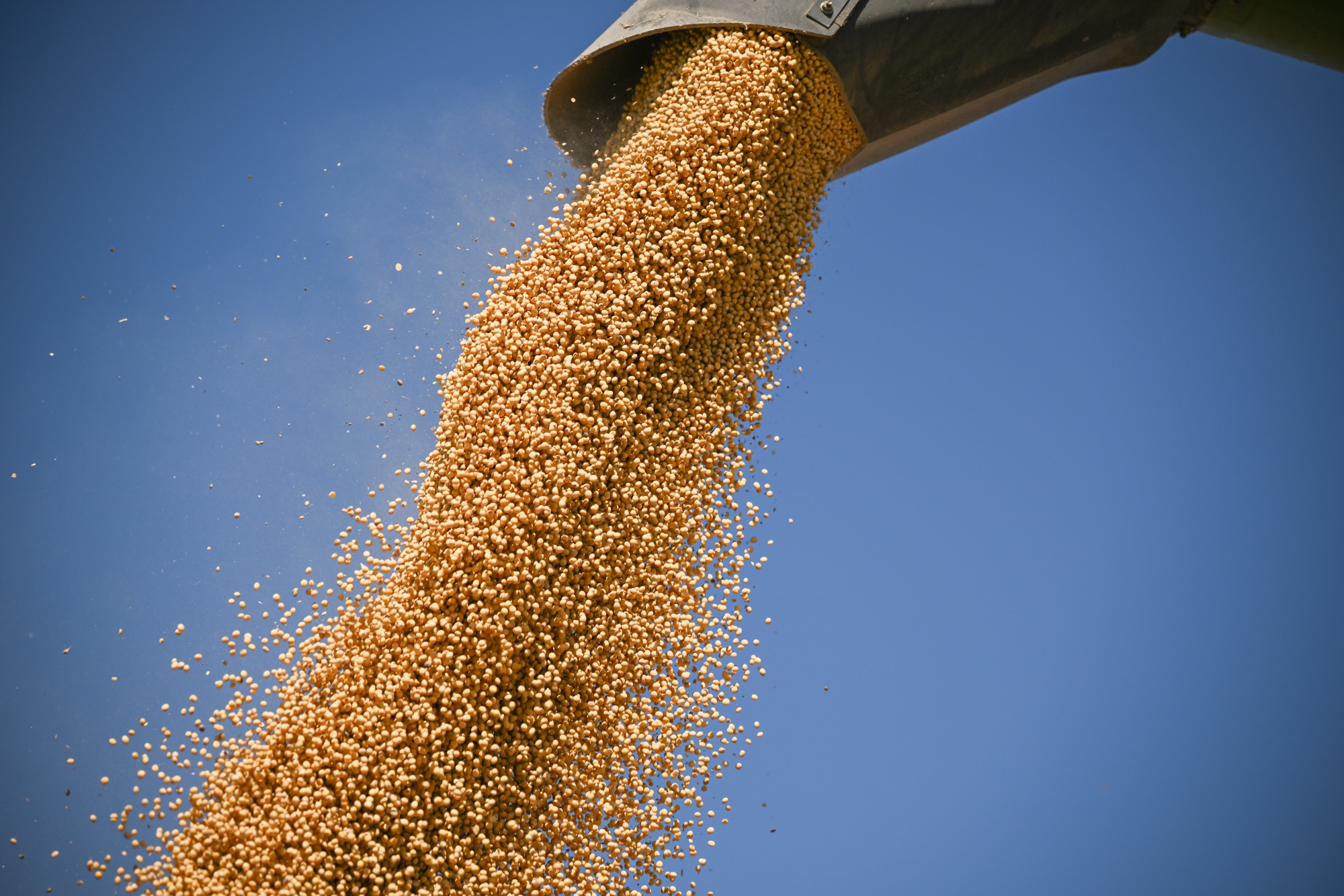
The recent surge in soybean imports from the United States has seen China reach a major milestone in its trade dealings with the country. According to Bloomberg, China's soybean purchases have now exceeded 12 million tons, meeting the country's obligations under the revised trade agreement signed in January 2020.
Key Drivers Behind China's Soybean Purchases
The uptick in soybean imports is largely attributed to the US-China trade deal, which aimed to resolve a long-standing trade dispute between the two nations. The agreement, signed in January 2020, saw China commit to purchasing a minimum of 12 million tons of US soybeans annually. As part of the deal, China would also reduce tariffs on US agricultural products, including soybeans.
China's soybean imports from the US have been steadily increasing since the trade agreement came into effect. The country's purchases of US soybeans have risen by over 50% year-on-year, marking a significant shift in the nation's agricultural import strategies.
Impact of Soybean Purchases on Global Market
The soybean purchases are expected to have a lasting impact on the global agricultural market. As one of the world's largest consumers of soybeans, China's import activities have far-reaching implications for the global supply chain. The increased demand for US soybeans is likely to drive up prices, benefiting US farmers and exporters.
However, the impact of China's soybean purchases on the global market may be complex. Rising prices could lead to increased production costs for US farmers, potentially offsetting some of the benefits of the trade agreement. Furthermore, the increased demand for soybeans may lead to concerns about deforestation and environmental degradation in countries like Brazil, where soybean production is a significant contributor to greenhouse gas emissions.
Future Outlook for US-China Trade Relations
The successful completion of China's soybean purchase targets is a significant development in the ongoing US-China trade negotiations. The agreement has provided a much-needed boost to the US agricultural sector, particularly for soybean farmers who have struggled in the wake of the trade dispute. However, the future of US-China trade relations remains uncertain, with ongoing tensions and disputes between the two nations.
The Biden administration has been working to strengthen US trade relationships with allies and partners, including the European Union and Japan. However, the US-China trade relationship remains a contentious issue, with ongoing disputes over trade practices, intellectual property, and human rights.
The success of China's soybean purchases is a vital component of the US-China trade agreement. As the two nations continue to navigate their complex trade relationship, the soybean market will remain a closely watched indicator of the nations' diplomatic efforts.
The soybean purchases are also expected to have a lasting impact on the US agricultural sector. As one of the country's largest agricultural export markets, China's import activities have driven growth and investment in the US agricultural sector. The increased demand for US soybeans is likely to drive up prices, benefiting US farmers and exporters.
However, the benefits of the trade agreement will not be evenly distributed. Some US farmers and exporters may struggle to adapt to the increased production costs and market volatility associated with the new trade agreement. Furthermore, the increased demand for soybeans may lead to concerns about deforestation and environmental degradation in countries like Brazil.
The future of US-China trade relations remains uncertain, with ongoing tensions and disputes between the two nations. However, the successful completion of China's soybean purchase targets is a significant development in the ongoing negotiations. The soybean market will remain a closely watched indicator of the nations' diplomatic efforts and trade relationships.
The soybean purchases are also expected to have a lasting impact on the global agricultural market. As one of the world's largest consumers of soybeans, China's import activities have far-reaching implications for the global supply chain. The increased demand for US soybeans is likely to drive up prices, benefiting US farmers and exporters.