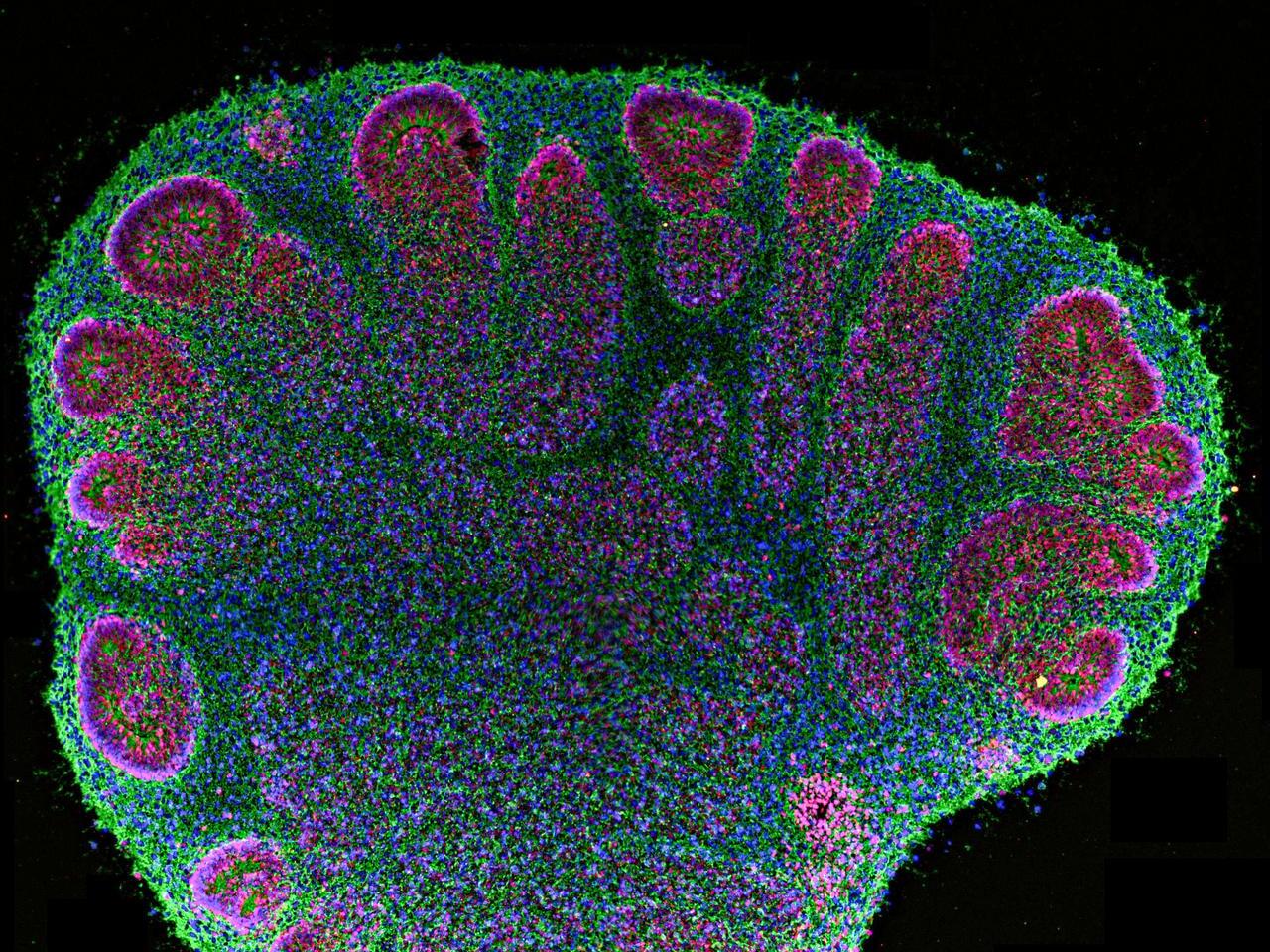
Brain organoids have become a cornerstone of modern neuroscience research, allowing scientists to study the intricate workings of the human brain in unprecedented detail. These tiny, lab-grown replicas mimic the complex structure and function of the human brain, providing an unparalleled platform for studying neurological disorders, including conditions such as Alzheimer's disease, Parkinson's disease, and autism.
Advancements in Neurological Research
Studies using brain organoids have already yielded significant breakthroughs, including a better understanding of the mechanisms underlying various neurological disorders. Researchers have successfully modeled the progression of Alzheimer's disease, allowing them to identify potential therapeutic targets and develop novel treatments. Similarly, brain organoids have provided valuable insights into the causes of autism, enabling scientists to develop more effective diagnostic tools.
By recreating the complex neural networks and interactions found in the human brain, brain organoids have opened up new avenues for researching and developing treatments for neurological conditions. This has sparked renewed hope for patients and families affected by these debilitating disorders, as well as for the scientific community seeking to push the boundaries of human knowledge.
Concerns About Ethics and Oversight
As the use of brain organoids continues to expand, concerns about ethics and regulatory oversight have grown. Critics argue that the development of brain organoids raises complex questions about human dignity, the potential for brain hacking, and the ethics of creating and manipulating human-tissue models. These concerns have led to calls for greater transparency, accountability, and regulatory frameworks to ensure the responsible development and use of brain organoids.
Experts emphasize that the use of brain organoids must be balanced against the potential risks and benefits. While these tiny replicas hold immense promise for advancing our understanding of human neuroscience, they also demand careful consideration of the ethics, regulatory frameworks, and societal implications involved.
Future Directions and Challenges
As brain organoids continue to revolutionize neuroscience research, scientists and policymakers must navigate the complex landscape of ethics, regulation, and innovation. The future of brain organoids will depend on the ability of researchers, policymakers, and stakeholders to collaborate and address the challenges and concerns surrounding their use.
To ensure the responsible development of brain organoids, experts recommend establishing clear guidelines and standards for their creation, use, and disposal. This may involve the development of new regulatory frameworks, as well as increased transparency and public engagement about the potential benefits and risks of brain organoids.
Ultimately, the future of brain organoids will depend on our ability to balance scientific progress with human values and ethics. As we continue to explore the vast potential of these tiny brain replicas, we must also prioritize responsible innovation and address the complex concerns that arise from their use.