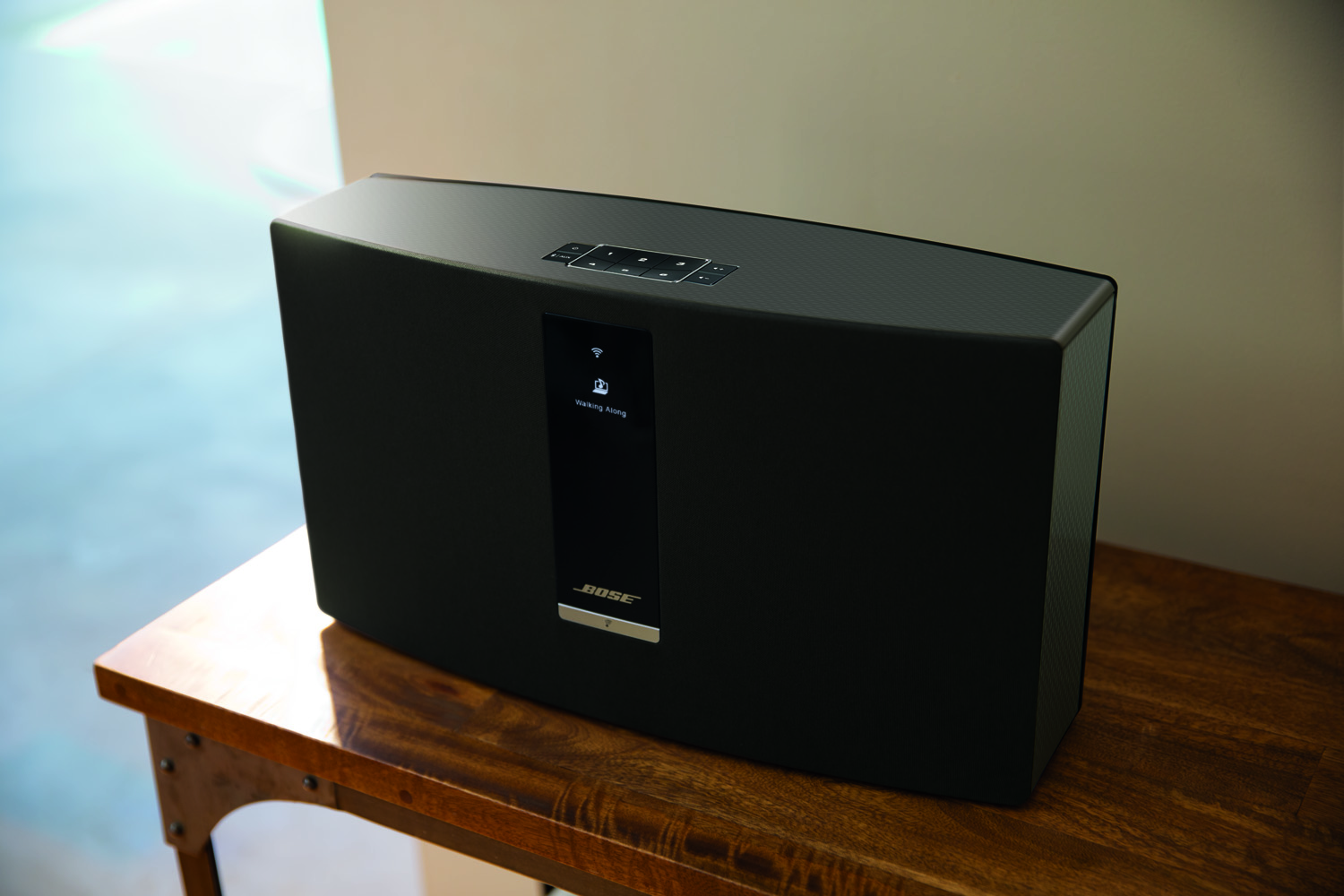
Bose, a well-known brand in the audio equipment market, has made a significant announcement regarding its SoundTouch home theater smart speakers. These speakers, which were first introduced in 2015, have been a popular choice among those looking for a seamless integration of music streaming and home theater capabilities. However, with the company announcing plans to discontinue the product line, users were left wondering what would happen to the devices.
Background and Context
The SoundTouch series of speakers was designed to provide users with a convenient and easy-to-use way to stream music and control their home theaters. The devices were equipped with Wi-Fi connectivity, allowing users to access a wide range of music streaming services. However, despite their popularity, the SoundTouch speakers have been criticized for their limited functionality and lack of support for newer music streaming services.
As the company prepares to discontinue the product line, users have been left with a sense of uncertainty regarding the future of their devices. However, with the announcement of open-sourcing the SoundTouch speakers, developers and hackers are now able to access the device's source code, allowing them to create custom firmware and extend the life of the speakers beyond their planned end-of-life date.
Implications and Reactions
The decision to open-source the SoundTouch speakers has sparked a mix of reactions among tech enthusiasts and industry experts. Some have praised the move as a bold step towards democratizing access to technology, while others have expressed concerns about the potential security risks associated with modifying the device's firmware.
One developer, who wishes to remain anonymous, has already begun working on a custom firmware for the SoundTouch speakers. According to the developer, the goal is to create a more feature-rich and secure alternative to the original firmware. "This is a great opportunity for us to breathe new life into these devices," the developer said. "By open-sourcing the code, Bose has shown that they are committed to allowing users to take control of their devices."
Future Prospects and Implications
The open-sourcing of the SoundTouch speakers has significant implications for the future of smart home devices. As more companies begin to adopt this approach, users can expect to see a wider range of options for customizing and extending the life of their devices.
However, the decision also raises questions about the long-term implications for Bose and other companies. As users become more comfortable with modifying their devices, will they be willing to pay a premium for products that offer more flexibility and customization options? Or will the open-sourcing of devices like the SoundTouch speakers ultimately lead to a shift towards more open and community-driven approaches to product development?
Only time will tell, but one thing is certain: the open-sourcing of the SoundTouch speakers has opened up new possibilities for users and developers alike. As the tech community continues to explore the potential of this approach, we can expect to see some exciting developments in the world of smart home devices.
In conclusion, the decision by Bose to open-source its SoundTouch speakers is a significant move that has sparked interest and debate among tech enthusiasts and industry experts. As users and developers continue to explore the possibilities of this approach, we can expect to see a wider range of options for customizing and extending the life of smart home devices.