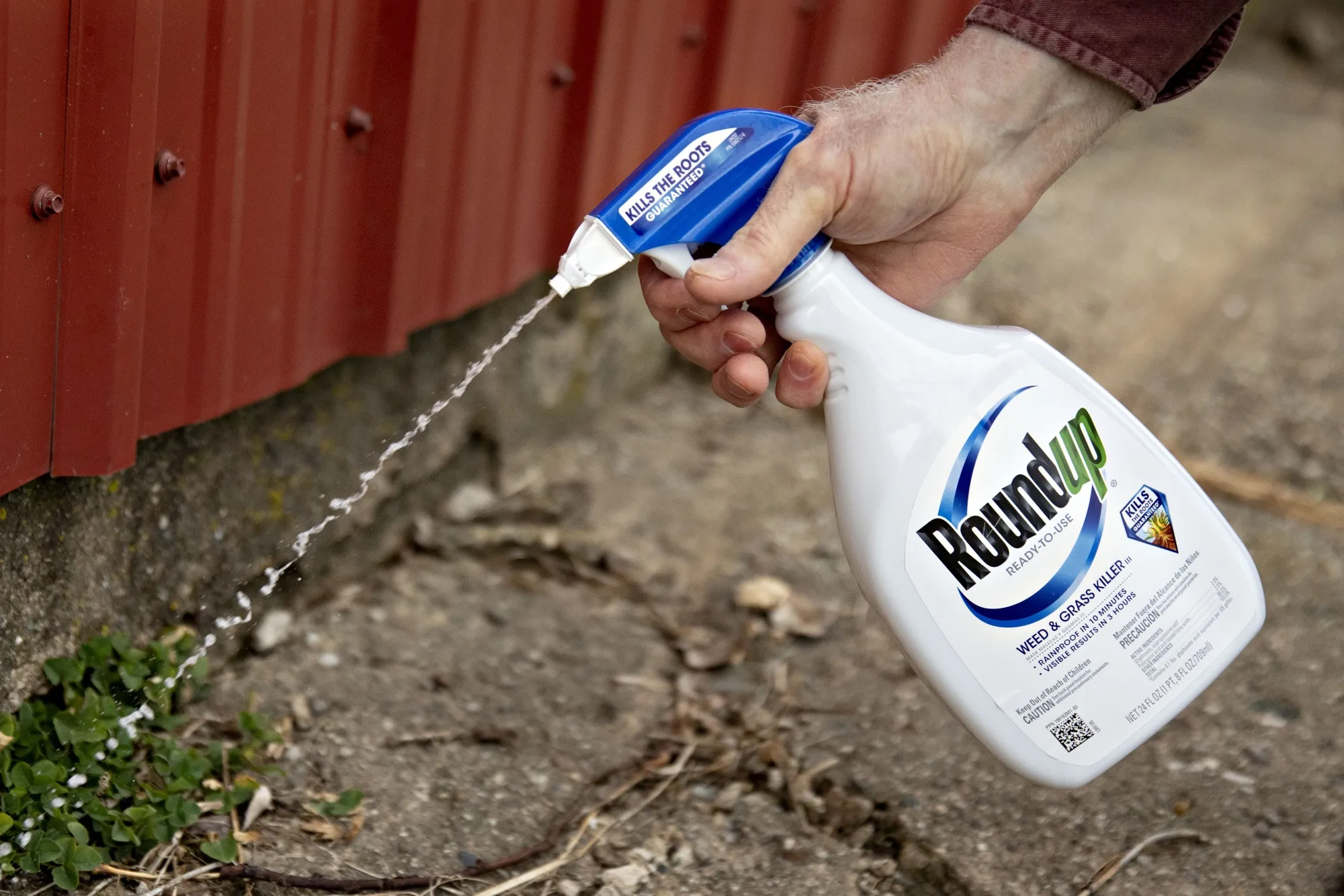
Bayer has been facing a multitude of lawsuits over the years related to its Roundup herbicide, which contains the active ingredient glyphosate. The lawsuits have claimed that glyphosate is a carcinogen and has caused cancer in users of the product. Bayer acquired the manufacturer of Roundup, Monsanto, in 2018 for $63 billion, and has since been facing the brunt of the lawsuits.
Background on the Roundup Lawsuits
The Roundup lawsuits have been ongoing since the early 2010s, but they gained significant traction after a group of jurors awarded $289 million in damages to a man who claimed that his use of Roundup caused him to develop non-Hodgkin's lymphoma. The verdict was later reduced to $78 million, but it marked a significant turning point in the cases.
Since then, numerous other lawsuits have been filed, and Bayer has been facing billions of dollars in damages. The company has argued that the lawsuits are based on flawed science and that the International Agency for Research on Cancer (IARC) classification of glyphosate as a "probable human carcinogen" is flawed.
Bayer's Supreme Court Challenge
Bayer is now seeking to have the US Supreme Court review the cases, arguing that they are based on improper jury instructions and that the court of appeals erred in allowing the lawsuits to proceed. The company is also seeking to limit its liability in the cases, arguing that it should not be held responsible for the actions of Monsanto, which manufactured the product.
The US Supreme Court has agreed to review the cases, and the court is expected to hear arguments from both sides in the coming months. If the court rules in Bayer's favor, it could potentially limit the company's liability in the cases and reduce the damages it must pay.
Implications for Bayer and the Industry
The implications of the Supreme Court's decision could be significant for Bayer and the industry as a whole. If the court rules in favor of Bayer, it could potentially limit the company's liability in the cases and reduce the damages it must pay.
However, if the court rules against Bayer, it could potentially open the door for more lawsuits against the company and other manufacturers of glyphosate-based products. The decision could also have implications for the regulation of glyphosate and other pesticides, and could potentially lead to changes in how these products are marketed and sold.
The US Supreme Court's decision in the Bayer Roundup lawsuits case is expected to have significant implications for the company and the industry as a whole. The court's ruling could potentially limit Bayer's liability in the cases and reduce the damages it must pay, or it could potentially open the door for more lawsuits against the company and other manufacturers of glyphosate-based products.
The case is a significant development in the ongoing saga of the Roundup lawsuits, and it is expected to have far-reaching implications for Bayer and the industry as a whole. The US Supreme Court's decision will be closely watched by lawyers, scientists, and industry experts, and could potentially shape the course of the lawsuits and the regulation of glyphosate-based products.