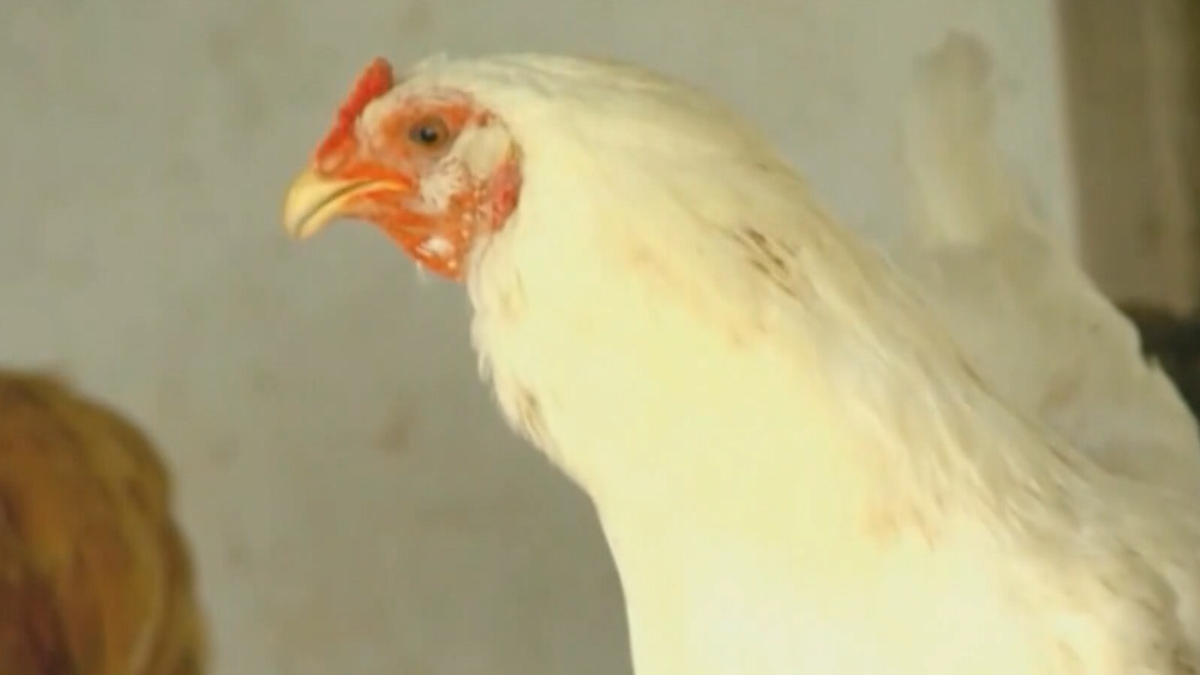
The North Carolina Department of Agriculture and Consumer Services (NCDA&CS) has confirmed a case of avian influenza in a backyard flock in Franklin County. According to officials, the disease was detected through a voluntary reporting program, and immediate action was taken to contain the outbreak.
Outbreak Details
The affected flock, consisting of small poultry birds, was identified on a private property in the area. NCDA&CS officials stated that the birds showed symptoms of the disease, including lethargy, loss of appetite, and labored breathing. The flock was subsequently quarantined, and a thorough investigation is underway to determine the source of the outbreak.
The Centers for Disease Control and Prevention (CDC) has been notified, and the agency is providing technical assistance and support to NCDA&CS in responding to the outbreak. The local health department is also monitoring the situation closely, ensuring that there is no risk to human health.
Precautions and Containment
To contain the spread of the disease, NCDA&CS has implemented strict biosecurity measures, including restrictions on the movement of birds and poultry products in the affected area. Local poultry farmers have been advised to take enhanced precautions, such as wearing personal protective equipment and following strict sanitation protocols.
The department is also working with local veterinarians to monitor the health of nearby flocks and provide guidance on prevention and control measures. Additionally, the CDC has recommended that all backyard poultry owners take steps to protect their birds, including keeping them indoors and practicing good biosecurity.
Public Safety and Education
Local Residents Urged to Take Precautions Against Bird Flu
Summary: The recent outbreak of bird flu in Franklin County, North Carolina, has raised concerns among local residents and poultry farmers. To prevent the spread of the disease, the North Carolina Department of Agriculture and Consumer Services is urging backyard poultry owners to take precautions and follow strict biosecurity measures. The department is working closely with local authorities to contain the outbreak and ensure public safety.
As the situation continues to unfold, local residents are being advised to take precautions to prevent the spread of the disease. This includes avoiding contact with birds that may be infected and following proper handling and cleaning procedures when handling poultry and their products.
NCDA&CS officials stress that the risk of transmission to humans is low, but it is essential to take necessary precautions to prevent the spread of the disease. The department is working closely with local veterinarians, poultry farmers, and other stakeholders to ensure that all necessary measures are in place to contain the outbreak.
The CDC has provided guidance on prevention and control measures, including wearing personal protective equipment and following strict sanitation protocols. Local residents are being urged to take these precautions seriously and report any suspected cases of the disease to the authorities immediately.
Bird Flu Symptoms and Prevention
The symptoms of bird flu in poultry include lethargy, loss of appetite, and labored breathing. If you suspect that your birds are infected, do not attempt to handle or care for them. Instead, contact a local veterinarian or the NCDA&CS immediately for assistance.
To prevent the spread of the disease, it is essential to practice good biosecurity. This includes keeping your birds indoors, using proper cleaning and disinfection procedures, and avoiding contact with wild birds and other animals that may be infected.
By taking these precautions and following the guidance provided by the NCDA&CS and the CDC, you can help prevent the spread of the disease and keep your birds safe.
As the situation continues to unfold, we will provide updates and guidance on how to prevent the spread of the disease.
As the situation continues to unfold, local residents are being advised to take precautions to prevent the spread of the disease. This includes avoiding contact with birds that may be infected and following proper handling and cleaning procedures when handling poultry and their products.
NCDA&CS officials stress that the risk of transmission to humans is low, but it is essential to take necessary precautions to prevent the spread of the disease. The department is working closely with local veterinarians, poultry farmers, and other stakeholders to ensure that all necessary measures are in place to contain the outbreak.
The CDC has provided guidance on prevention and control measures, including wearing personal protective equipment and following strict sanitation protocols. Local residents are being urged to take these precautions seriously and report any suspected cases of the disease to the authorities immediately.
Bird Flu Symptoms and Prevention
The symptoms of bird flu in poultry include lethargy, loss of appetite, and labored breathing. If you suspect that your birds are infected, do not attempt to handle or care for them. Instead, contact a local veterinarian or the NCDA&CS immediately for assistance.
To prevent the spread of the disease, it is essential to practice good biosecurity. This includes keeping your birds indoors, using proper cleaning and disinfection procedures, and avoiding contact with wild birds and other animals that may be infected.
By taking these precautions and following the guidance provided by the NCDA&CS and the CDC, you can help prevent the spread of the disease and keep your birds safe.
As the situation continues to unfold, we will provide updates and guidance on how to prevent the spread of the disease.