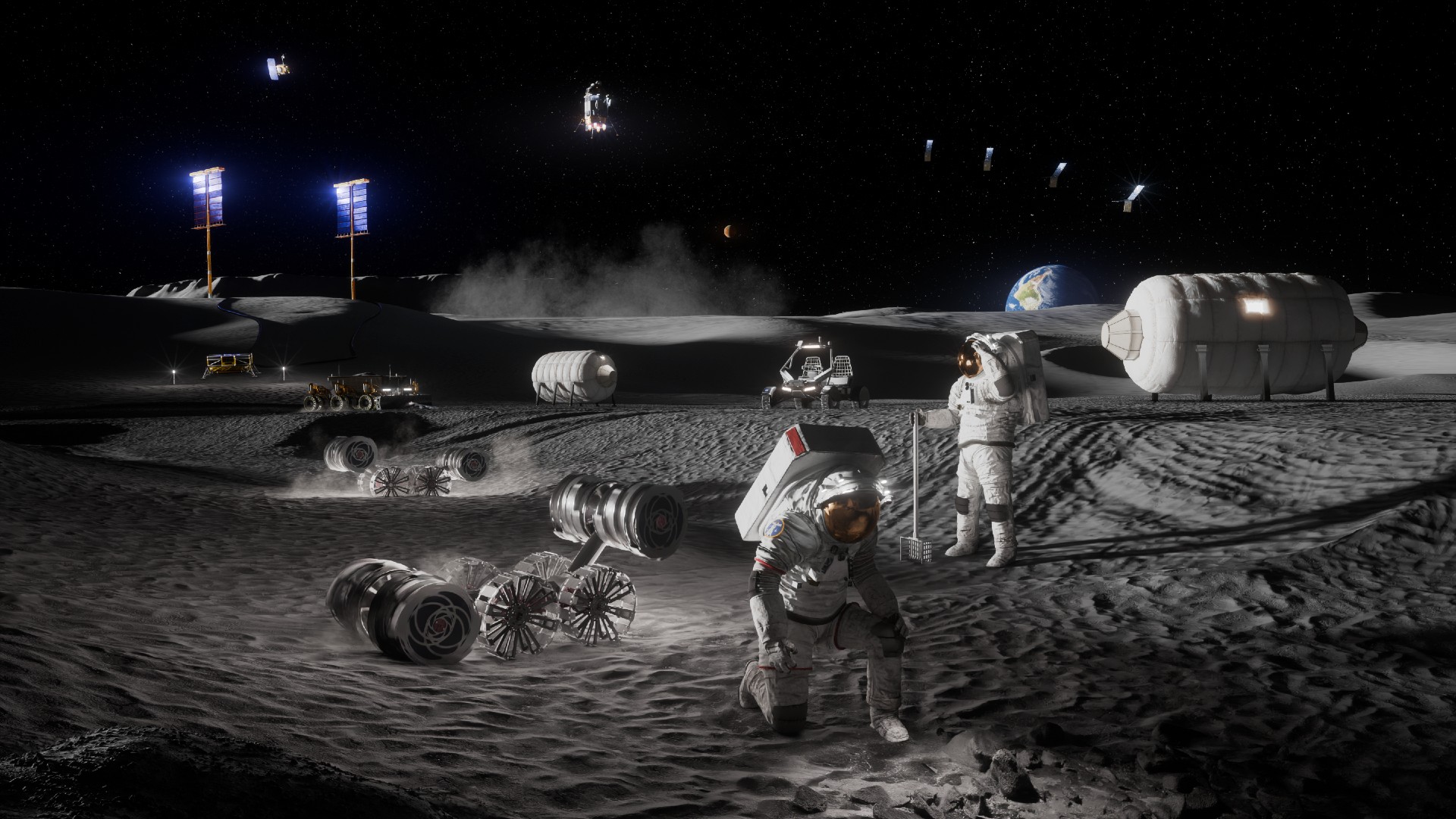
NASA's Artemis program aims to send the first woman and the next man to the moon by 2025, with the ultimate goal of establishing a sustainable presence on the lunar surface. However, the agency's plans have sparked concerns about the safety and well-being of astronauts participating in these missions.
Radiation Risks and Harsh Environments
Astronauts will be exposed to intense radiation from the sun and deep space, which can increase the risk of cancer and other health problems. The lunar surface also offers extreme temperatures, ranging from -243°C to 127°C (-405°F to 261°F), making it difficult for astronauts to survive for extended periods.
Additionally, the isolation and confinement of lunar missions can take a toll on astronauts' mental health. The lack of sleep, exercise, and social interaction can lead to fatigue, anxiety, and depression.
Isolation and Confinement
The lunar module's living quarters will be cramped and claustrophobic, with limited space for exercise and relaxation. Astronauts will have to rely on virtual reality and other technologies to cope with the isolation and confinement.
Moreover, the lunar surface offers limited resources, making it difficult for astronauts to access food, water, and medical supplies. The agency is working to develop sustainable life support systems, but experts are still concerned about the risks associated with these early missions.
Mitigating the Risks
NASA is taking steps to mitigate the risks associated with lunar missions, including developing new technologies and strategies for radiation protection, life support, and mental health support.
The agency is also working with international partners to share knowledge and resources, as well as to develop common standards for space travel and exploration.
Despite these efforts, experts remain skeptical about the risks associated with NASA's moon plans. The agency must balance its ambition with caution and prioritize the safety and well-being of astronauts participating in these missions.