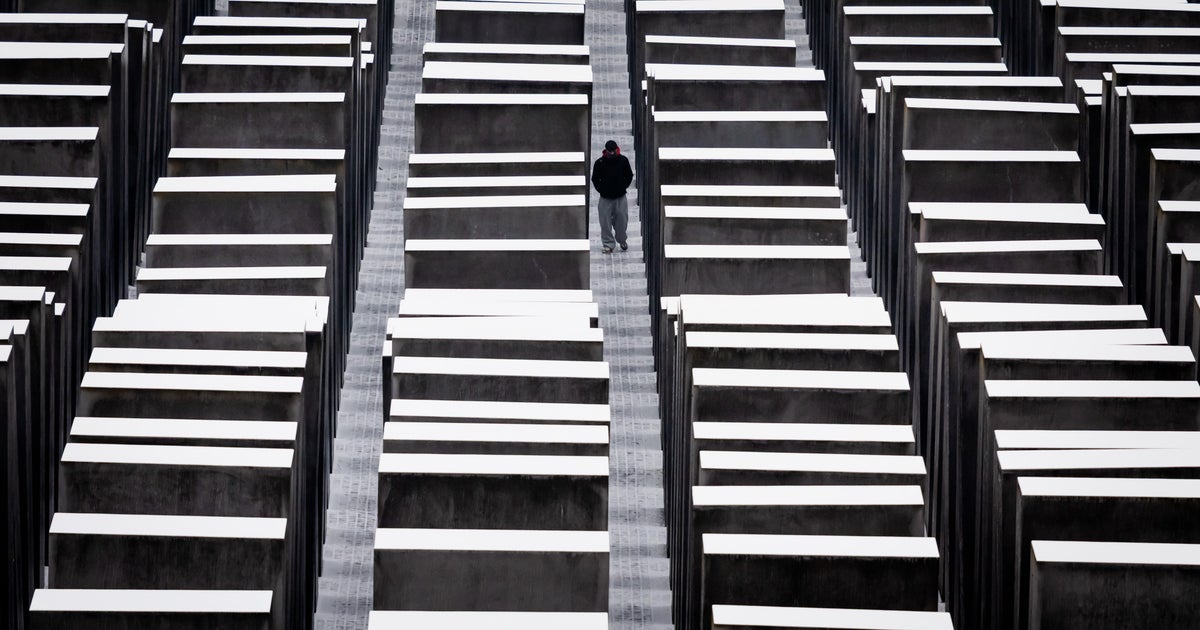
The observance of International Holocaust Remembrance Day, which falls on January 27th of each year, serves as a poignant reminder of the atrocities committed during World War II. This day is dedicated to honoring the memories of the six million Jews and millions of others who perished in the Holocaust. However, a concerning trend has emerged in recent years, as AI systems begin to manipulate and distort historical records.
The Rise of AI-Generated Content
AI-generated content, often referred to as "AI slop," has become increasingly prevalent on social media platforms and online forums. This type of content is created using algorithms that generate text based on patterns and associations learned from large datasets. While AI-generated content can be useful for generating ideas or completing simple tasks, its use in rewriting historical records raises significant concerns.
The ease with which AI-generated content can be created and disseminated has led to a proliferation of inaccurate and misleading information. This can have serious consequences, as it can erode trust in historical institutions and perpetuate false narratives about significant events.
The Impact on Historical Preservation
The manipulation of historical records by AI systems has significant implications for the preservation of accurate accounts of the past. As AI-generated content becomes increasingly prevalent, it is becoming more challenging to distinguish between fact and fiction. This can lead to a loss of historical context and a distortion of the truth.
Historians and researchers rely on accurate records to piece together the narrative of historical events. The introduction of AI-generated content can compromise the integrity of these records, leading to a loss of understanding about the past.
Consequences and Solutions
The consequences of AI-generated content rewriting history are far-reaching and multifaceted. The distortion of historical records can lead to a loss of trust in institutions and a perpetuation of false narratives. Furthermore, it can also have serious implications for education and research.
To mitigate these risks, experts recommend that historians and researchers verify sources and fact-check information before accepting it as true. Additionally, educators can play a critical role in teaching students about the importance of critical thinking and media literacy in the digital age.
As the world continues to grapple with the implications of AI-generated content, it is essential to prioritize the preservation of accurate historical records. By working together, we can ensure that the lessons of the past are not lost in the digital noise.