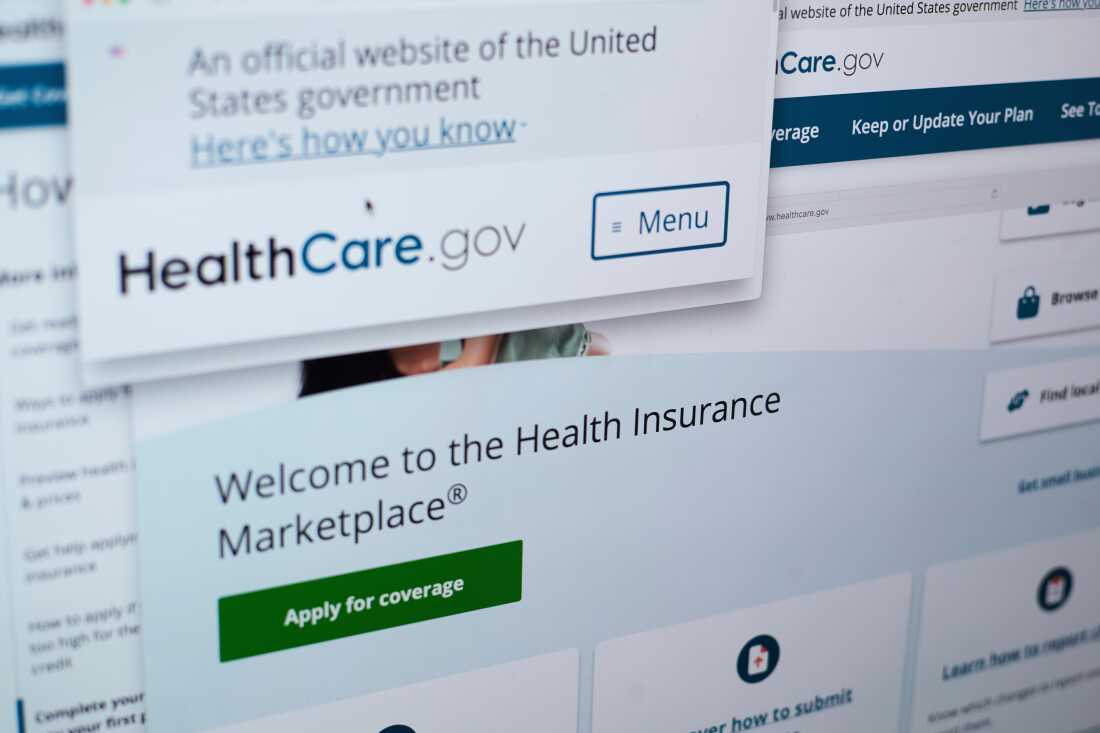
The Affordable Care Act, also known as Obamacare, has been a cornerstone of healthcare policy for over a decade. However, many Americans are struggling to afford the rising costs of health insurance. According to a recent report, nearly 40% of ACA marketplace plans exceed $1,000 per month for a family of four, leaving some consumers with difficult choices between coverage and affordability.
Alternative Options Emerge
As a result, some consumers are turning to alternative health insurance options, including short-term limited-duration insurance (STLDI) plans and association health plans (AHPs). These plans can be significantly cheaper than ACA marketplace plans, but they often come with reduced coverage and network access.
STLDI plans, for example, typically do not cover pre-existing conditions, maternity care, or mental health services. AHPs, on the other hand, may have less comprehensive network access, which can limit patients' ability to see their preferred doctors or access specialized care.
Trade-Offs and Concerns
Retailers like Walmart and CVS Health are pushing AHPs as an affordable alternative to ACA marketplace plans. However, critics argue that these plans can lead to a "two-tiered" healthcare system, where those who can afford ACA-compliant insurance receive more comprehensive coverage, while those who opt for cheaper alternatives are left with reduced benefits.
Additionally, the lack of federal regulation for STLDI and AHP plans has raised concerns about their financial stability and ability to provide adequate coverage in the event of a medical emergency.
Policymakers Weigh In
In response to these concerns, some policymakers are urging a closer examination of the trade-offs associated with cheaper health insurance options. Researchers at the Kaiser Family Foundation have suggested that consumers be provided with clearer information about the coverage and network access offered by alternative plans, as well as the potential risks and limitations associated with these options.
Others are advocating for increased transparency and accountability from retailers promoting AHPs, as well as stricter regulations to ensure that these plans meet minimum standards for coverage and network access.
As the open enrollment period begins, consumers are facing a complex decision process. While cheaper health insurance options may be appealing, it is essential that individuals carefully weigh the trade-offs and consider their specific needs and priorities before making a choice.